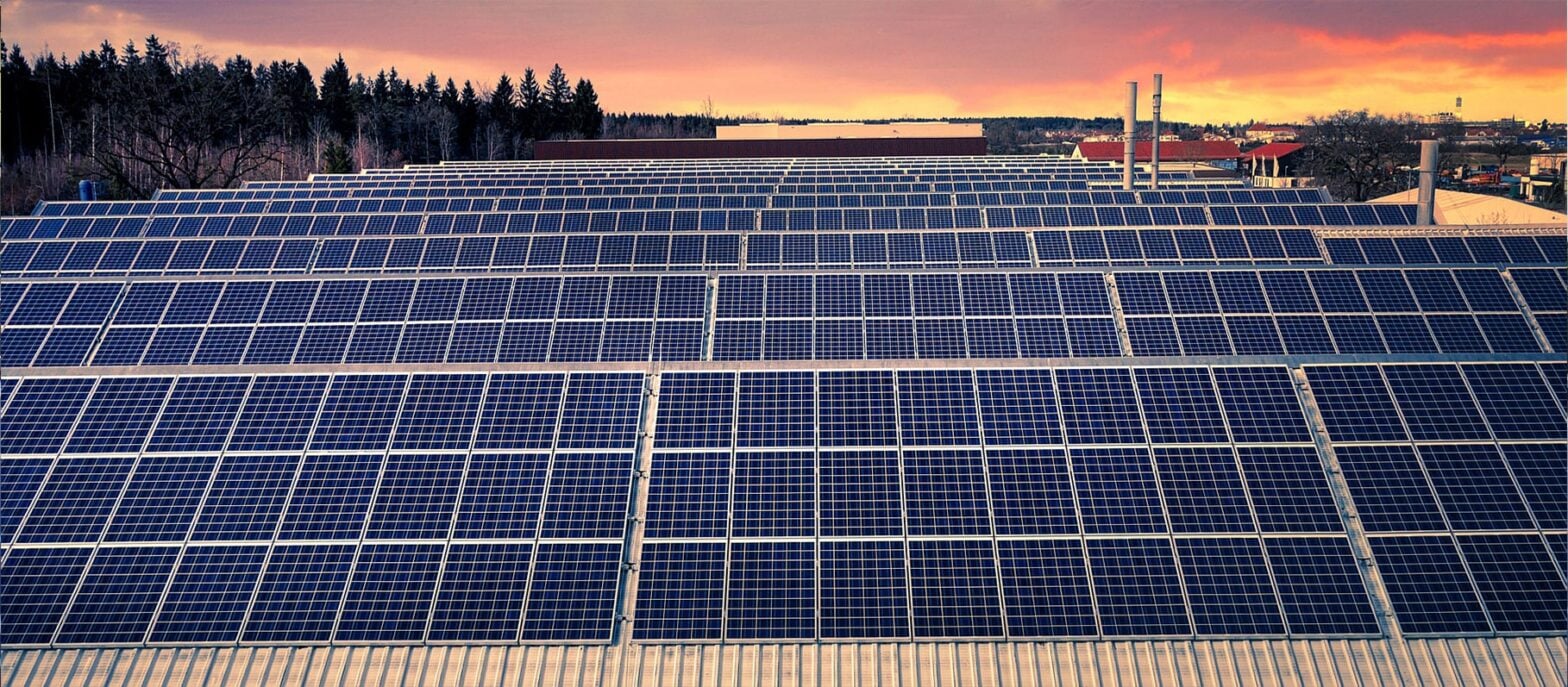
Your solar financing choice comes down to two models. CAPEX means buying the system with an outright higher upfront cost (₹4–5 crore per MW), but full ownership, 40% first-year accelerated depreciation, and the highest long-term returns once you hit payback in 4–6 years. OPEX means zero upfront investment under a third-party PPA; you simply pay for the power you use at fixed rates, with all maintenance and risk handled by the developer. CAPEX favours large, profitable businesses; OPEX favours SMEs, IT firms, and leased properties.
India’s solar market grew to nearly ₹1 lakh crore (around $11.7 billion) in 2024, and with energy prices climbing, more businesses are turning to solar to lock in lower costs. But before installing anything, there’s one decision that shapes your entire financial outcome: OPEX vs CAPEX.
Each model carries distinct advantages depending on your capital, tax position, risk appetite, and whether you own or lease your facility. This blog breaks down how both work, compares them across every key factor, and gives you a clear decision framework so you can choose the right model with confidence.
Key Takeaways
– CAPEX offers full solar system ownership, while OPEX works on a third-party PPA model.
– CAPEX requires high upfront investment, whereas OPEX provides zero upfront solar installation cost.
– CAPEX delivers tax benefits and long-term ROI, while OPEX ensures predictable monthly energy expenses.
– OPEX includes developer-managed maintenance and lower operational risk compared to CAPEX.
– CAPEX suits large businesses, while OPEX is ideal for SMEs, IT companies, and leased properties.
What is OPEX and CAPEX model?
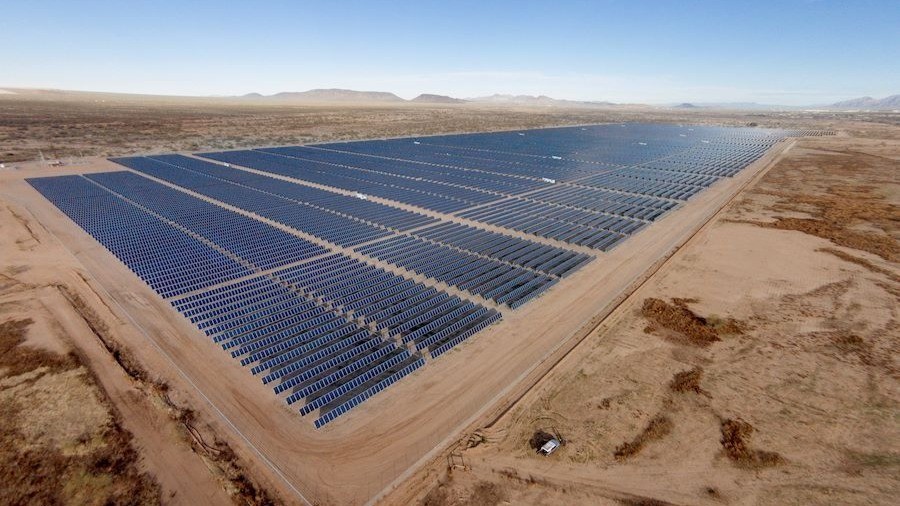
The knowledge of OPEX vs CAPEX models forms the basics of how you’re going to plan your solar investment and long-term financial impact.
What is OPEX (Operating Expenditure)?
OPEX covers the day-to-day running costs of the business. For solar energy, OPEX means paying for electricity without owning the system. A third-party company owns and operates the solar installation on your property.
The operation of this model is done under a Power Purchase Agreement (PPA). The electricity generated is charged to you on a monthly basis, just like the regular power bill. The solar company handles all maintenance and operations.
Key characteristics of OPEX include:
– No upfront investment needed
– Monthly electricity payments
– Third-party ownership and maintenance
– Predictable energy costs
What is CAPEX (Capital Expenditure)?
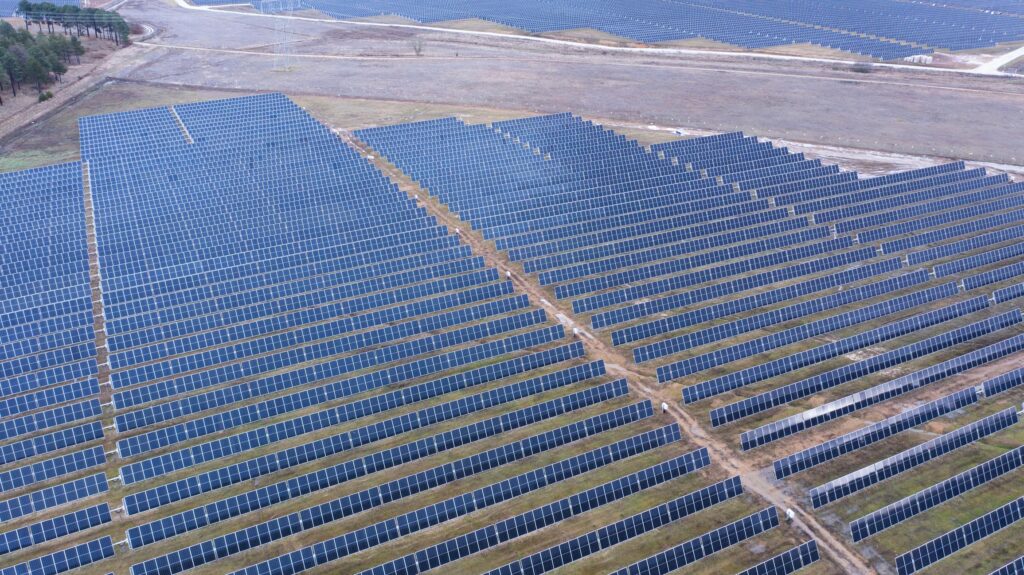
CAPEX refers to funds businesses use to buy, maintain, or improve physical assets. In solar energy, CAPEX means purchasing the entire solar system upfront. This includes solar panels, inverters, mounting structures, and installation costs.
Under the CAPEX model, you own the complete solar installation. You control every aspect of the system, from operation to maintenance. This ownership brings both benefits and responsibilities.
Key characteristics of CAPEX include:
– Large upfront investment requirement
– Complete asset ownership
– Long-term depreciation benefits
– Full control over system operations
Read More: Difference Between CAPEX and OPEX Solar Models
OPEX vs CAPEX in Solar Energy Context
Solar financing models differ fundamentally in ownership structure, payment methods, risk allocation, and operational control between the business and the developer.
OPEX Solar Model (RESCO Model)
The OPEX model uses a Renewable Energy Service Company (RESCO) approach. A solar developer installs and owns the system on your property. You sign a PPA for 15-25 years, paying only for electricity consumed.
This model requires:
– Available rooftop or land space
– Long-term commitment (15-25 years)
– Creditworthy business profile
– Minimum electricity consumption requirements
The developer handles all aspects of system ownership, from financing to maintenance.
CAPEX Solar Model
In the CAPEX solar model, you make a complete upfront investment. You purchase all the equipment and pay for installation costs. This usually ranges from ₹4-5 crores per MW for commercial installations.
The investment covers:
– Solar panels and inverters
– Mounting structures and cables
– Installation and commissioning
– Grid connection equipment
Once operational, you own a valuable asset. The system generates free electricity for 25+ years after recovering your initial investment.
Detailed Comparison: OPEX vs CAPEX Solar Models
Comparing the difference between the CAPEX and OPEX model by analysing all the financial, operational, and strategic factors can help you understand the pros and cons of both solar financing options.
| Aspect | OPEX Model | CAPEX Model |
| Initial Investment | Zero upfront cost | ₹4-5 crores per MW |
| Ownership Rights | Third-party ownership | Complete ownership |
| Tax Benefits | No tax benefits | 40% accelerated depreciation |
| Maintenance | Developer responsibility | Owner responsibility |
| Risk Factors | Minimal operational risks | Performance and technical risks |
| Payback Period | Not applicable | 4-6 years |
| Electricity Tariff | Fixed PPA rates | Free after payback |
| Long-term Returns | Predictable savings | Higher returns |
Financial Implications of CAPEX vs OPEX Solar Model for Businesses

Solar investment choices create lasting effects on company balance sheets, requiring careful consideration of how each model impacts business operations.
Tax Benefits and Depreciation
The CAPEX model offers significant tax advantages under Section 32 of the Income Tax Act. Businesses can claim 40% accelerated depreciation in the first year, and an additional 20% in the second year.
For a ₹4 crore solar installation:
→ First-year depreciation (40% of ₹4 crore): ₹1,60,00,000
→ Tax savings (suppose, 30% tax bracket): ₹48,00,000
→ Effective first-year cost: ₹3,52,00,000
OPEX model users can’t claim these tax benefits since they don’t own the system.
Cash Flow Impact
CAPEX requires substantial initial capital but provides free electricity after payback. OPEX offers immediate savings with a predictable monthly payment plan. The decision lies in the preferences of your business on cash flow and the availability of capital.
CAPEX cash flow pattern:
→ High initial outflow
→ Gradual recovery through savings
→ Free electricity after 4-6 years
OPEX cash flow pattern:
→ No initial investment
→ Consistent monthly payments
→ Predictable energy costs
Industry-Specific Considerations
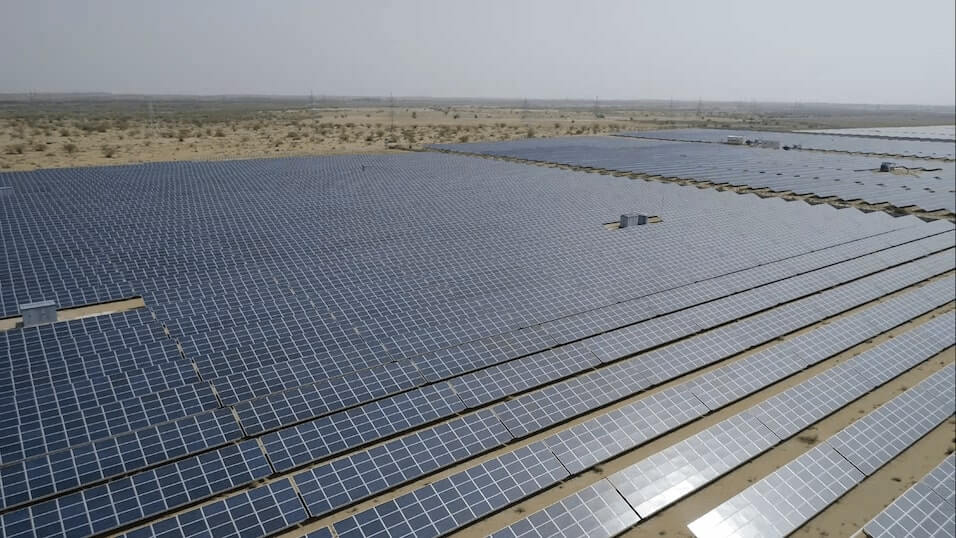
Different industries benefit from different models based on their operational characteristics:
– Manufacturing Sector: Often prefers CAPEX for maximum tax benefits and long-term cost control. High electricity consumption justifies large upfront investments.
– IT and Data Centres: May choose OPEX for predictable costs and risk transfer. Rapid technology changes make ownership less attractive.
– Commercial Real Estate: CAPEX works well for owned properties. OPEX suits leased facilities where ownership transfer isn’t possible.
– SMEs vs Large Enterprises: SMEs often prefer OPEX due to capital constraints. Large enterprises typically choose CAPEX for better returns.
Related Post: How to Maximise Space and Energy with Carport Solar Solutions?
How to Choose the Right Model for Your Business?
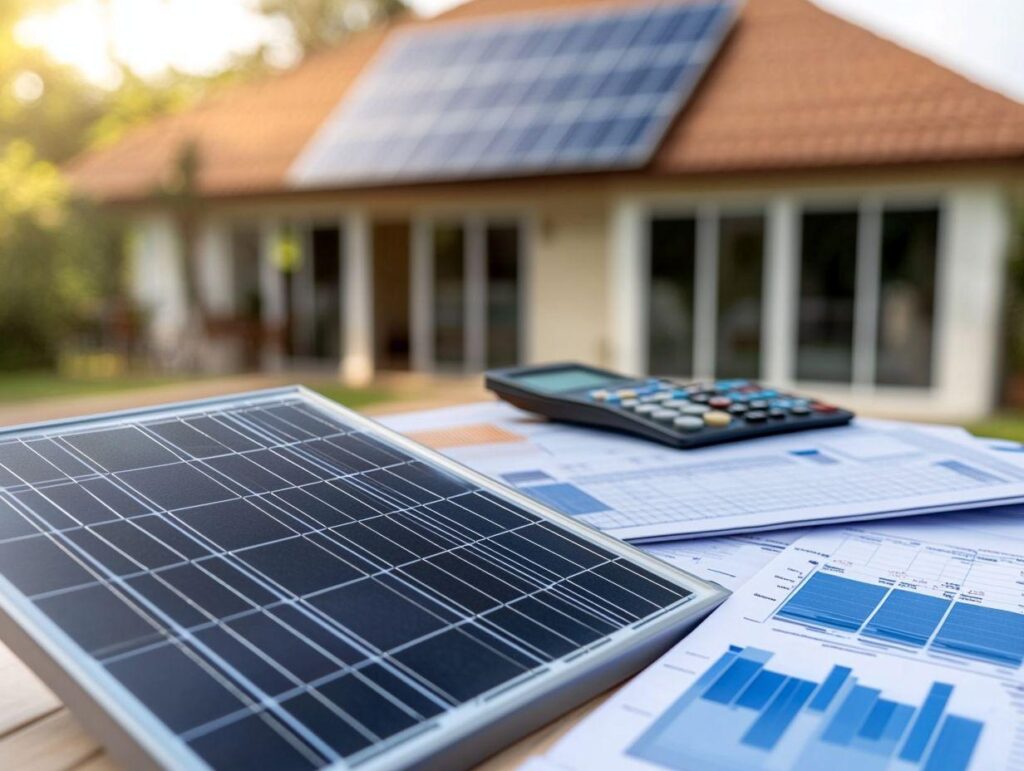
The OPEX model vs CAPEX model evaluation requires careful analysis of your business’s unique circumstances and objectives.
Factors to Consider:
Several important business elements should guide your solar financing decision to ensure the chosen model aligns with organisational priorities.
– Available Capital: CAPEX requires a significant upfront investment. OPEX needs minimal initial capital but involves long-term payment commitments.
– Risk Appetite: CAPEX involves performance and maintenance risks. OPEX transfers most risks to the developer.
– Tax Position: Profitable businesses benefit more from CAPEX tax advantages. Companies with limited tax liability may prefer OPEX.
– Facility Ownership: Owned facilities suit CAPEX better. Leased properties often require OPEX arrangements.
Decision Framework
Follow this step-by-step evaluation:
- Assess available capital and financing options.
- Evaluate current tax liability and benefits.
- Consider long-term business plans and facility ownership.
- Analyse risk tolerance and technical expertise.
- Compare the total cost of ownership over 20-25 years.
Related Post: Top Solar EPC Company in India
Get Started with the Right Solar Financing Model Now!
Both CAPEX and OPEX models offer distinct advantages for solar adoption. CAPEX provides ownership benefits and higher long-term returns through tax advantages. With predictable costs, OPEX delivers accessibility and risk transfer.
Your decision between OPEX vs CAPEX is all about capital availability, the level of risk and what your business is looking to achieve. In case you’re looking to install a solar system for your business, you can connect with Enerparc online or give us a call at (+91) 804-941-4941 and get a consultation on the same with custom solutions.
Frequently Asked Questions (FAQs)
1. Which is better for businesses: OPEX or CAPEX solar model?
CAPEX is better for businesses seeking long-term savings and ownership, while OPEX is ideal for companies wanting zero upfront investment.
2. What are the tax benefits of the CAPEX solar model in India?
The CAPEX model offers accelerated depreciation benefits under the Income Tax Act, helping businesses reduce taxable income.
3. Does the OPEX solar model require upfront investment?
No, the OPEX solar model requires zero upfront investment because the solar developer owns and maintains the system.
4. How does an OPEX solar agreement work?
In an OPEX model, businesses pay only for the electricity generated through a long-term Power Purchase Agreement (PPA).
5. Which solar financing model is best for SMEs in India?
OPEX is often the best solar financing option for SMEs because it lowers financial risk and eliminates installation costs.