Salt water batteries are emerging as one of the safest, most sustainable ways to store solar energy. Unlike lithium-ion or lead-acid systems, they use a non-toxic saline electrolyte that eliminates fire and thermal-runaway risk entirely, rely on recyclable materials, last over 10,000 charge cycles (roughly a decade), and operate reliably from -5°C to 40°C. The main trade-off today is cost as the technology scales but for businesses prioritizing safety, sustainability, and long-term durability in solar storage, it’s a compelling alternative worth watching.
This guide is for businesses and solar adopters evaluating energy storage who care about safety, environmental impact, and lifecycle value not just upfront price. It covers why solar storage matters for grid independence, how the main battery types compare, what a salt water battery is and how it’s built, and its safety, cost, lifecycle, and resilience advantages.
Key Takeaways :
– Salt water batteries provide a safe, fire‑free energy storage option, unlike lithium‑ion or lead‑acid systems.
– They use non‑toxic, recyclable materials, making them one of the most environmentally responsible battery choices.
– A long lifecycle of 10,000+ cycles gives them strong durability and long-term value.
– They perform well across a wide temperature range, offering stable operation in varied conditions.
– Ideal for solar energy storage, they support grid independence by storing excess solar power for later use.
Why Storing Solar Energy Matters for Your Space and Business
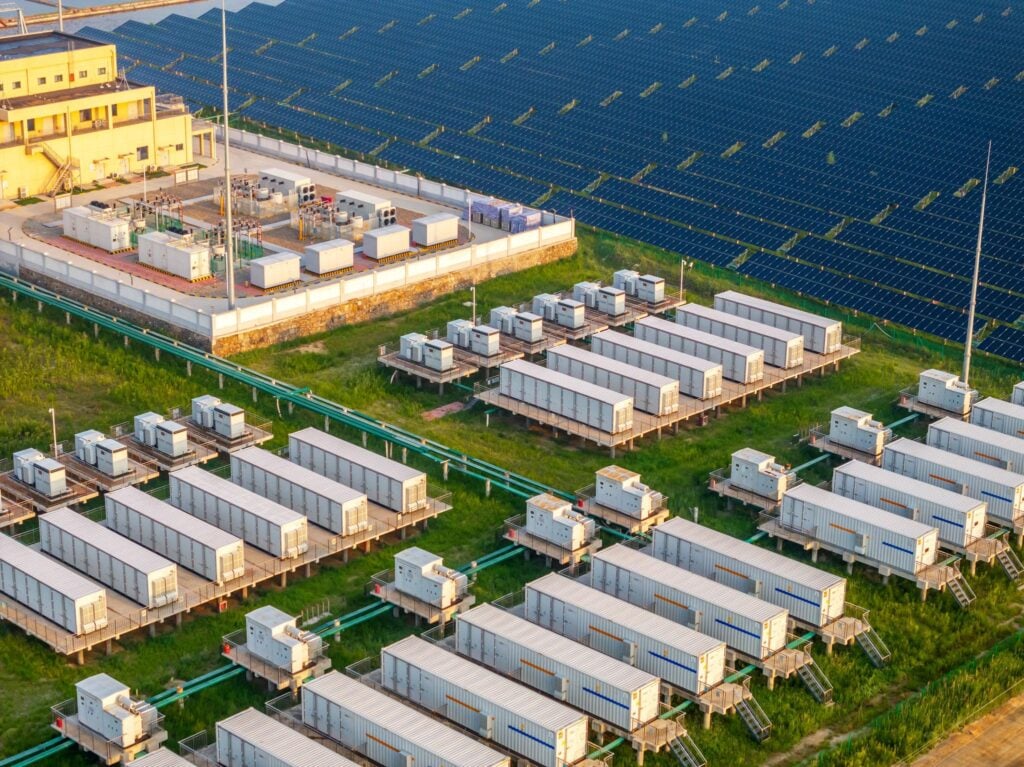
Among the advantages of using solar to power your business needs is the independence achieved from grid energy storage commercial solar energy, solar power for business. However, in order to maximise independence from the grid, storing the excess energy generated by your solar plant presents another way to consume the energy generated by your plant solar energy storage, solar battery system, solar power management.
The advantage of energy storage is that it allows for power harvesting at a steady rate. If the power demand is low, the excess energy generated by your solar plant is stored in batteries. At times when the power requirement exceeds power generation at that particular instance of time, power can be drawn from the power batteries. This cycle keeps the system entirely independent of the grid. An effective solar storage system supports this seamless integration and maximises overall energy efficiency.
Best Battery Options for Storing Solar Energy

There are several energy storage battery technologies prevalent in the market today. Some of the dominant battery types are examined here:
Lead Acid Battery: The oldest rechargeable battery, the lead-acid, has a wide range of uses because of its tried and tested reliability.
This battery type has emerged at the forefront of the renewable energy storage industry, backed by the expanding EV segment.
NICAD (Nickel-Cadmium): The NICAD battery is an alkaline battery where an alkaline solution acts as the electrolyte of the system. Despite its higher levels of rechargeability, the NICAD does not have a measurable presence in the energy storage market for renewables due to its high cost and difficulty of disposal due to the toxic substances present in the system.
The above batteries are all susceptible to causing fire breakouts.
Lithium-Ion (Li-ion):The Li-ion battery has often featured in news pieces for having triggered fires Li-ion solar battery, lithium-ion energy storage. Another common disadvantage among conventional batteries is the presence of toxic substances used in, and created during, the energy-storage chemical cycle solar battery safety, conventional battery hazards. This not only creates additional disposal costs for the business, but is also detrimental to the ecosystem at large solar battery disposal, eco-friendly energy storage.
What is a salt water battery?

A saltwater battery is a battery where alkali-ion salt water acts as the electrolyte of the system saltwater solar battery, alternative energy storage. The anode is a carbon titanium phosphate composite, while the cathode used is Manganese Oxide solar battery anode and cathode materials. Synthetic cotton is used as a separator battery separator for solar storage. A variation of the above system uses a mixture of manganese sulphate and water as an electrolyte and manganese oxide as an electrolyte saltwater energy storage, eco-friendly solar battery.
The Benefits of a Salt Water Battery
Eco-Friendly and Safe:
The presence of salt water in the system immediately eliminates any fire hazards and also allows for recycling, making it a far more environmentally and business-friendly battery alternative to conventional batteries.
No Thermal Runaway Risk:
Batteries are usually required to be operated at fixed temperature windows. As batteries are recharged, they heat up. Now, if due to this heat, the operating temperature increases sufficiently to cross the threshold, it would result in thermal runaway. In thermal runaway, the rise in temperature is continuously compounded as the external heat forces the battery to heat the battery up further as it operates. This cycle continues, and if not checked, would cause the battery to heat up to temperatures that would spark a fire—which could have catastrophic impacts on the entire plant. The chemistry of a salt-water battery brings this risk down to nil.
Cost Advantages:
As saltwater and MnO form the main components of the saltwater battery, the cost of the device would also be far less than its alternatives saltwater solar battery cost, affordable solar energy storage.
However, the drop in price is subject to a rise in production of these batteries solar battery production, and renewable energy storage cost. As saltwater batteries are still at a nascent stage of entering the market, costs are not currently at levels deemed efficient for active usage in the renewable industry emerging solar battery technology, solar energy storage solutions.
Long lifecycle: As compared to the current dominant players in the battery industry, the saltwater battery has a long lifecycle of over 10,000 cycles of charge and discharge, which translates to a decade of use, before it begins to display signs of degradation.
Resilient: Saltwater batteries are more resilient as they are less vulnerable to temperature swings and can operate in a wide window of temperatures, from -5 to 40 degrees Celsius. This allows them to hold steady performance and efficiency values.
As we progress towards a more solarised world than ever before, the battery energy storage system industry will, in the coming years, grow to match the renewable industry stride for stride.
Read More: Floating Solar Panels and Canal-Topped Systems: Efficiency & Benefits
The Future of Sustainable Energy Storage

As solar adoption rises, the need for safe and reliable battery energy storage systems will grow in parallel. Salt Water Batteries are poised to meet this demand, offering a sustainable, safe, and long-lasting energy solution.
FAQs: Salt Water Batteries for Eco-Friendly Energy Storage
1. What are salt water batteries and how do they work?
Salt water batteries use a saline (salt-based) solution as the electrolyte, combined with non-toxic materials such as carbon titanium phosphate and manganese oxide. These components allow the battery to store and release energy safely and efficiently without the fire risks or toxic waste associated with traditional batteries.
2. Are salt water batteries safer than lithium-ion batteries?
Yes. Salt water batteries are significantly safer because they do not pose a risk of thermal runaway or fire, common concerns with lithium-ion batteries. Their non-flammable chemistry makes them a safer choice for homes, businesses, and off-grid energy systems.
3. Can salt water batteries be used for solar energy storage?
Absolutely. Salt water batteries are ideal for solar energy systems. They can store excess solar power generated during the day and release it when needed, supporting off-grid living or reducing reliance on the main grid.
4. How long do salt water batteries last?
Salt water batteries have a long lifecycle, typically exceeding 10,000 charge-discharge cycles. This can equate to over a decade of consistent use with minimal degradation, offering excellent long-term reliability.
5. Are salt water batteries environmentally friendly?
Yes. Salt water batteries are one of the most environmentally friendly energy storage solutions available. They are non-toxic, recyclable, and do not produce hazardous waste, making them a sustainable option for eco-conscious users.