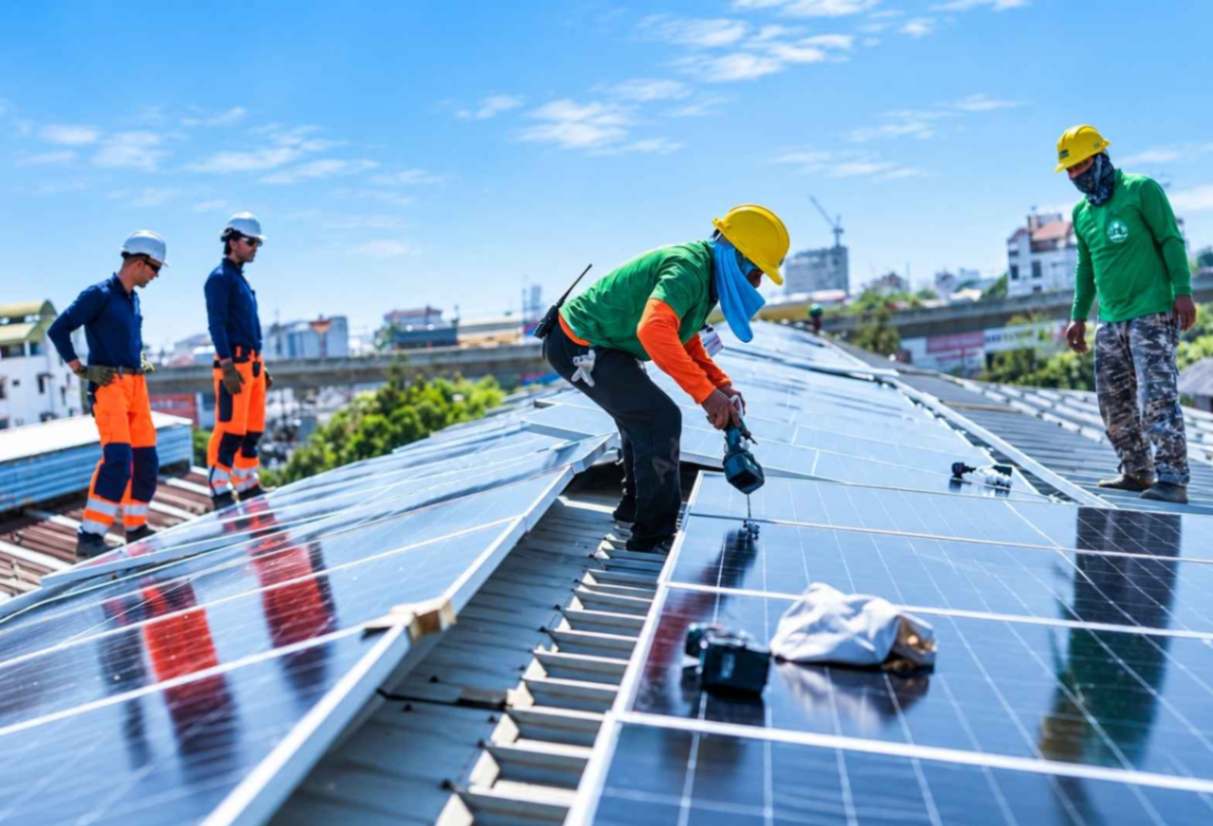

let’s preserve the environment by using solar panels
Contact Us 
Canal-topped and floating solar panels harness sunlight over existing water bodies—eliminating the need for additional land while delivering bonus benefits. Canal-top systems can save 150–200 million litres of water annually by reducing evaporation, and floating panels run cooler on water for higher energy output. Though floating installations cost 30–50% more upfront, both represent a rapidly growing, eco-friendly frontier for India’s solar industry.
The sun’s energy reaches everywhere, with nearly all physical forms receiving varying degrees of solar irradiation. Building solar plants that absorb the irradiation falling on water bodies presents the next big step in expanding the solar industry’s reach. Here, we discuss canal-topped and floating solar panels.
– Land-efficient solar solutions: Canal-topped and floating solar panels use existing water bodies, eliminating the need for additional land.
– Water conservation benefits: Canal-top solar systems can reduce evaporation and save up to 150–200 million litres of water annually.
– Higher energy efficiency: Floating solar panels stay cooler on water surfaces, improving performance and overall power output.
– Eco-friendly renewable energy: These systems help control algae growth and protect agricultural and natural land areas.
– Rapid growth of water-based solar in India: Major canal-topped and floating solar projects are expanding across the country.
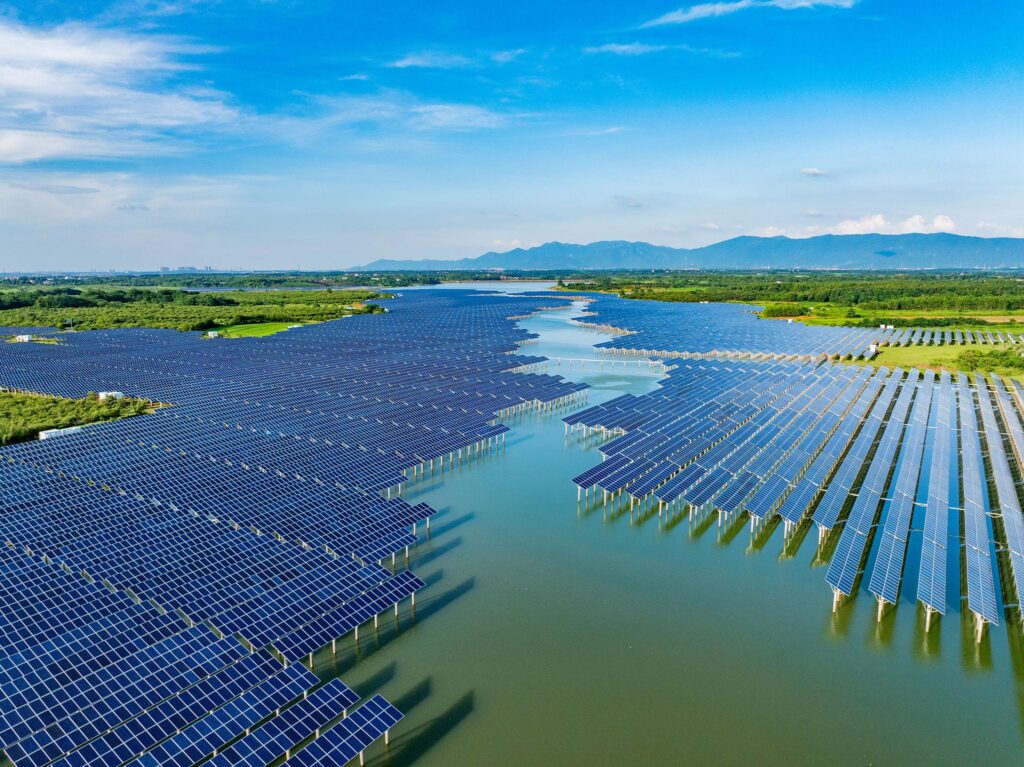
Canal top solar projects are wherein the broad, uncovered surface area of channels is used to harness the received irradiation. Canal-topped power plants are typically constructed such that the mounting structure of the solar module is raised over the surface of the canal.
Optimal land use: Instead of requiring additional land, this project utilizes existing infrastructure.
Water conservation: Studies indicate that a 20 MW solar canal could conserve 150-200 million liters of water annually by decreasing evaporation.
Algae growth prevention: Solar panels on canals effectively decrease algae overgrowth by shading the water and allowing for better flow.
Easy implementation: These programs can be easily incorporated into existing power and water supply systems without disruption.
India’s first major canal-topped solar project was launched in Gujarat with an installed capacity of 10 MW, setting a precedent for future large-scale implementations.
Read More: Solar Tracker Guide Types Cost Pros & Cons Explained
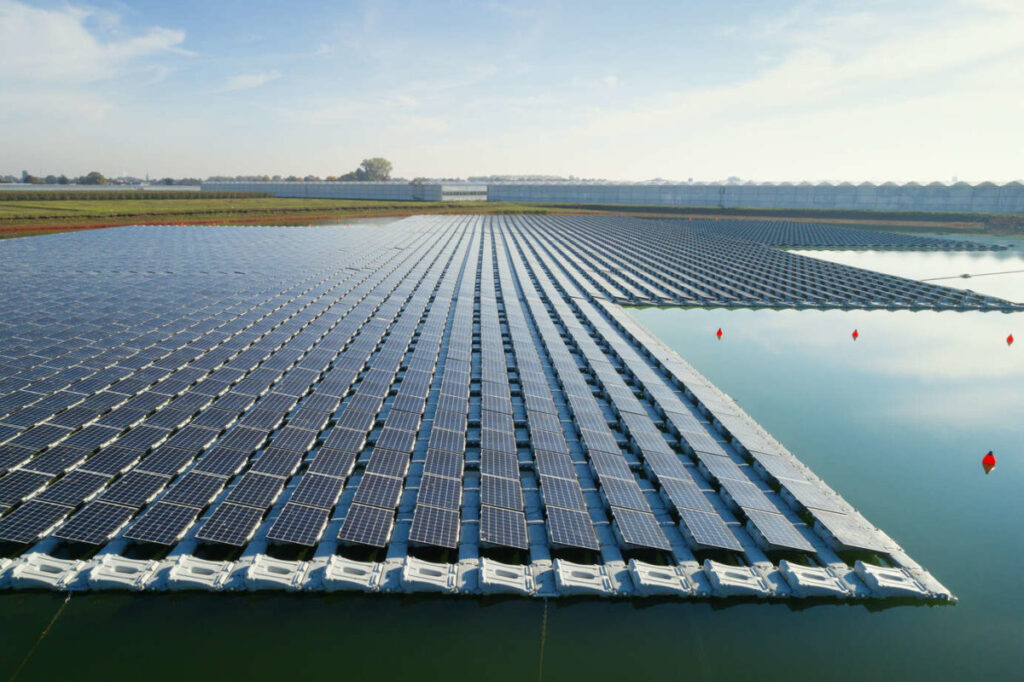
Floatovoltaics, usually called floating solar, refers to the mounting of solar panels onto floating beams which are able to produce energy while resting atop still water bodies like lakes, dams and even reservoirs.
Also Read: Commercial Rooftop Solar Integration Guide
Enhanced Temperature Control: Bodies of water decrease heat loss, which in turn allows solar panels to function at cooler and more effective temperatures, ultimately prolonging their longevity.
No Land Acquisition Required: Floating solar projects eliminate the land constraints often associated with traditional ground-mounted solar farms.
Enhanced Power Generation: By mitigating heat-induced efficiency losses, floating solar installations improve overall energy yield.
Minimal Environmental Impact: These projects make use of non-agricultural water surfaces, reducing disruptions to ecosystems.

High initial costs: Specially designed floating platforms and anchoring systems add 30-50% additional cost compared to land-mounted solar projects.
Complex Logistics: Transporting large floating components requires careful handling to prevent damage.
Weather Resistance: These structures are designed to withstand wind speeds exceeding 190 mph and wave heights up to 2 meters, making them robust in various climatic conditions.
India is presently engaged in the investigation of extensive floating solar options, as NTPC has called for proposals for 100 MW solar initiatives in Telangana to advance its renewable energy expansion endeavors.
The increasing need for eco-friendly power sources has created a promising prospect for solar energy firms to broaden their reach through innovative projects that integrate canals and water surfaces with solar panels. By leveraging the previously underutilized potential of aquatic solar installations, the renewable energy sector is poised to stimulate creativity and optimize performance.
Partner with Enerparc for cutting-edge solar energy solutions. A leading solar energy provider, Enerparc focuses on creating unique and environmentally friendly solar projects tailored to your energy needs. Discover our expertise in floating and canal-based solar technologies and move towards a more sustainable tomorrow.
Canal-topped systems place solar panels above canals using raised structures, while floating solar systems mount panels on buoyant platforms placed on still water bodies such as lakes, reservoirs, or dams.
Floating systems often show better output because the water below keeps the panels cooler, reducing heat-related losses and supporting steady performance throughout the day.
By covering canals, these systems reduce direct sunlight exposure on the water, lowering evaporation levels. A 20 MW installation can help save up to 150–200 million litres every year.
Yes. Modern floating platforms are engineered to withstand strong winds, waves, and changing water levels. Advanced anchoring systems help keep the installation secure.
Floating and canal-topped systems generally cause minimal disturbance. They cover only portions of water bodies and can even reduce excessive algae growth by limiting direct sunlight.