31 Oct 2025
7 min read

Solar energy delivers 50–80% lower electricity costs for commercial users, 25–30 years of reliable low-maintenance performance, and strong environmental and financial returns through tax incentives and net metering. For homes, businesses, and entire communities, solar isn’t just an alternative it’s the preferred renewable energy energy source, offering significant solar energy benefits for businesses.
As the world shifts toward sustainability, solar power has emerged as a practical, essential solution for securing our energy future. Harnessing clean, abundant energy from the sun, this renewable solution offers financial, environmental, and societal benefits for forward-thinking homeowners and businesses.
– Solar energy reduces electricity costs and delivers long-term savings for businesses and industries, making it a practical solar power solution for businesses.
– Clean renewable solar power helps lower carbon emissions and supports environmental sustainability.
– Solar systems are low-maintenance, durable, and provide reliable performance for 25–30 years.
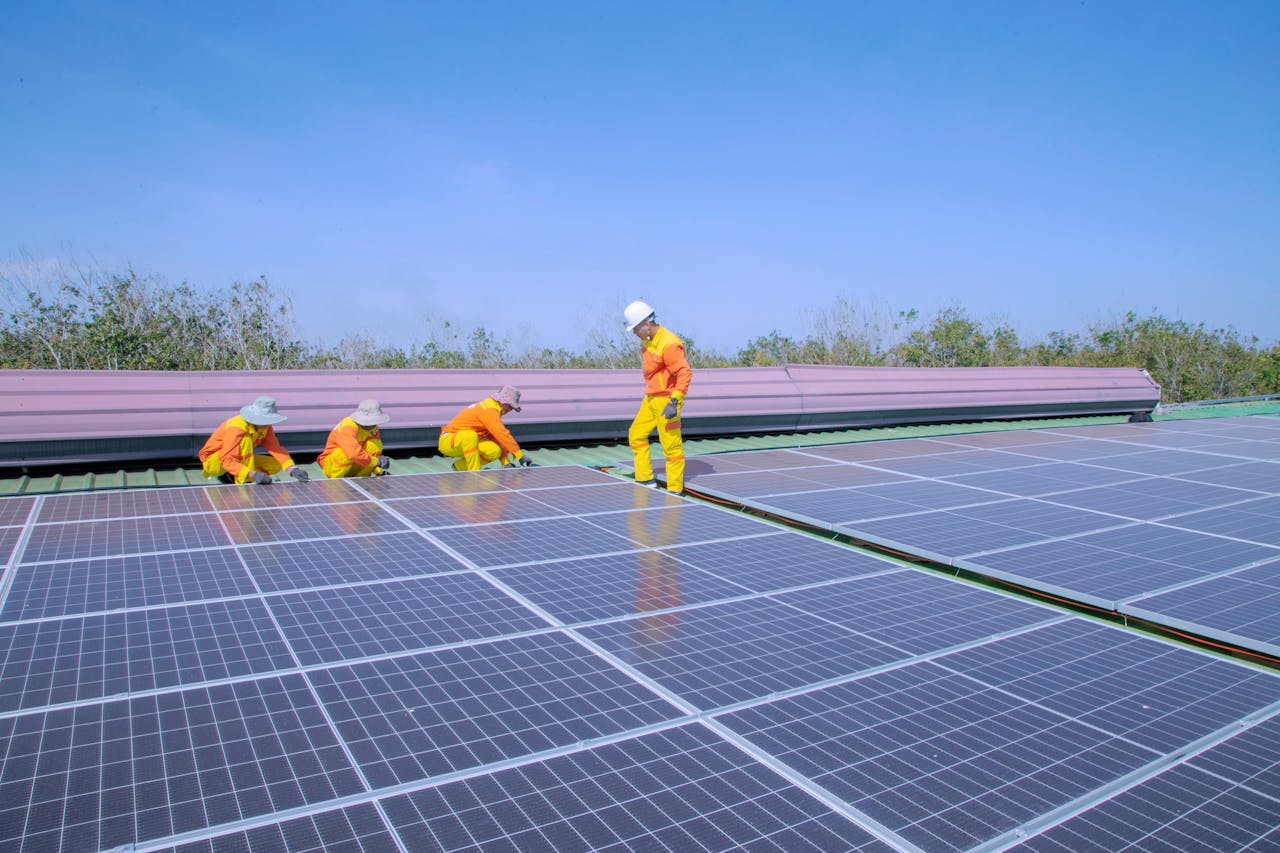
– Commercial solar installations offer tax benefits, faster ROI, and increased property value, making commercial solar energy an attractive option for businesses.
– Battery backup and solar storage improve energy independence during power outages.
– Solar power solutions support industries, agriculture, healthcare, education, and public infrastructure.
Also Read: Benefits of On-Site Solar Solutions for Reducing Carbon Footprint
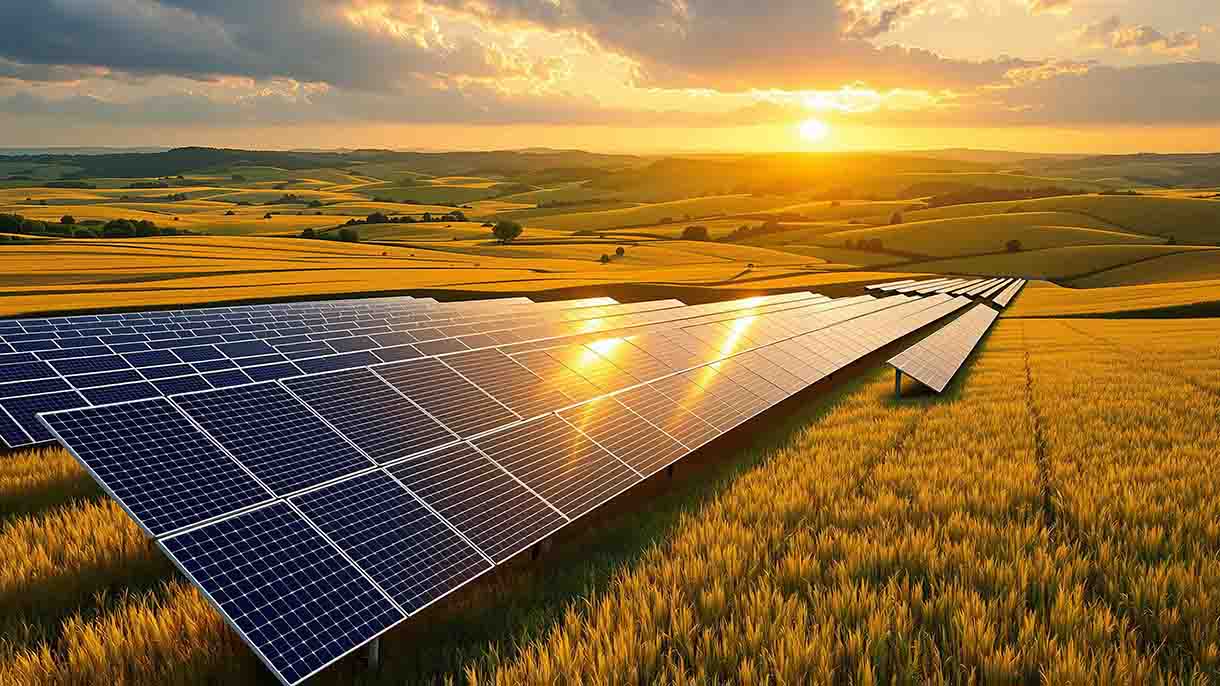
Solar energy systems capture sunlight and convert it into electricity or usable heat, typically using solar photovoltaic (PV) panels or solar thermal collectors,solar panel technology, solar energy solutions, and clean energy systems. Homeowners, industries, and utilities invest in solar power energy systems for a reliable, renewable, and green solar electricity supply, renewable power source, solar power generation, and sustainable electricity option.
Solar Energy Compared to Other Energy Sources
| Aspect/Benefit | Solar Energy | Fossil Fuels | Wind Energy | Hydroelectric |
|---|---|---|---|---|
| Renewability | Yes | No (finite resource) | Yes | Yes |
| Greenhouse Emissions | None (use) | High | None (use) | Low |
| Pollution (Air/Water) | None | Significant | Minimal | Potential |
| Water Usage | Minimal/None | High | Low | High |
| Suitability (Location) | High | Limited by supply chains | Varies | Limited to rivers |
| Maintenance | Low | Moderate/high | Moderate | Moderate |
| Reliability | High (with battery) | High (when supply lasts) | Moderate-variable | High in stable climates |
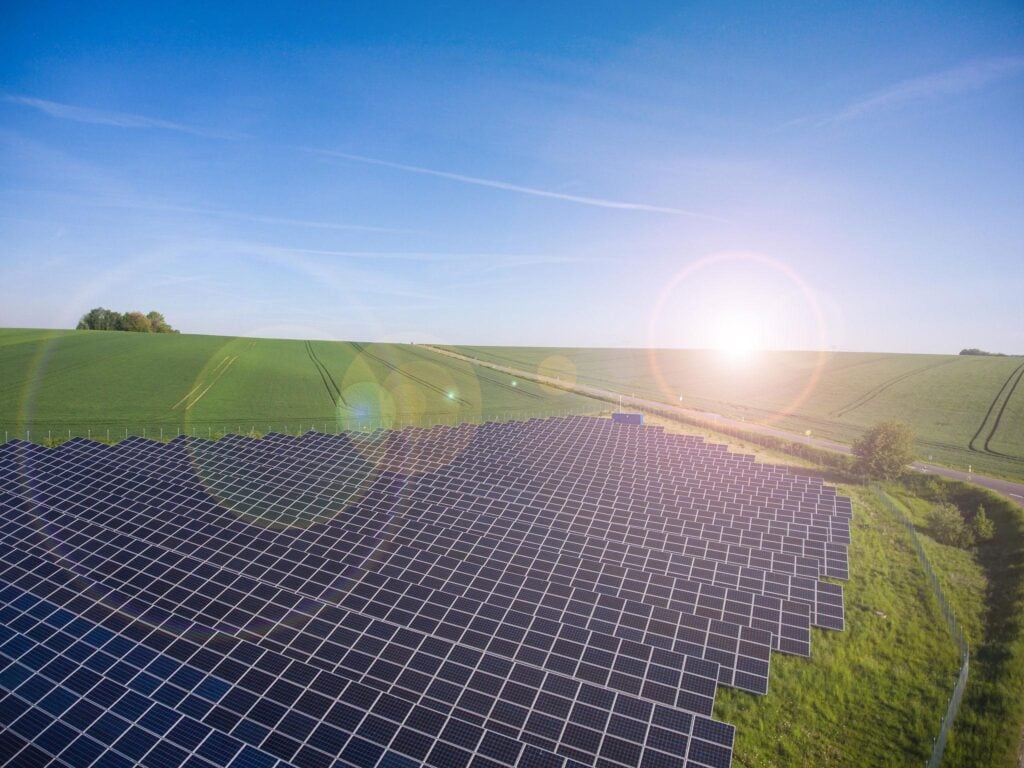
Solar energy relies on the sun a limitless, dependable source available worldwide. Unlike coal, oil, or gas, solar energy produces no harmful emissions or resource scarcity concerns. Once installed, your solar power system can deliver clean, renewable energy for decades.
Switching to solar power directly cuts greenhouse gas emissions. By adopting renewable energy solutions, individuals and organizations can reduce air pollution and toxic by-products, supporting global climate goals and making solar a practical clean energy option.
A key advantage of solar energy systems is substantial long-term savings on electricity bills. After the initial investment, solar power can significantly reduce electricity costs. Government incentives, tax rebates, and net metering can further improve the return on investment.
Sample Financial Outcomes with Solar Energy
| Installation Type | Avg. Upfront Cost | Payback Period | Typical 25-Year Savings |
|---|---|---|---|
| Residential Home | $8,000–$16,000 | 6–10 years | $15,000–$40,000 |
| Small Commercial | $25,000–$70,000 | 5–8 years | $45,000–$120,000+ |
| Large Commercial | $200k+ | 4–7 years | $500,000+ |
Once installed, modern solar systems usually need only occasional cleaning and checks. The vast majority of panels retain 80–90% of their output after 25–30 years on the roof.
Commercial buildings stand to reap especially large rewards from solar power energy due to scale and continuous power needs.
Solar Energy for Commercial Buildings—Key Advantages
| Benefit | Impact |
|---|---|
| Major electricity bill reductions | 50–80% lower annual costs are possible, especially for large users |
| Fast ROI via tax credits | Federal/state incentives, depreciation options cut payback time |
| Environmental compliance | Meets green building standards (LEED, BREEAM, etc.) |
| Improved company reputation | Appeals to investors, customers, and employees |
| Backup power, increased resilience | Optional batteries prevent downtime during grid failures |
| Property value and rental premiums | Solar buildings lease and sell faster, at premium values |
| Income stream: excess energy sales | Net metering allows revenue generation from surplus output |
Expansion of solar renewable energy creates not only green jobs but also spurs economic growth at the local and national levels:
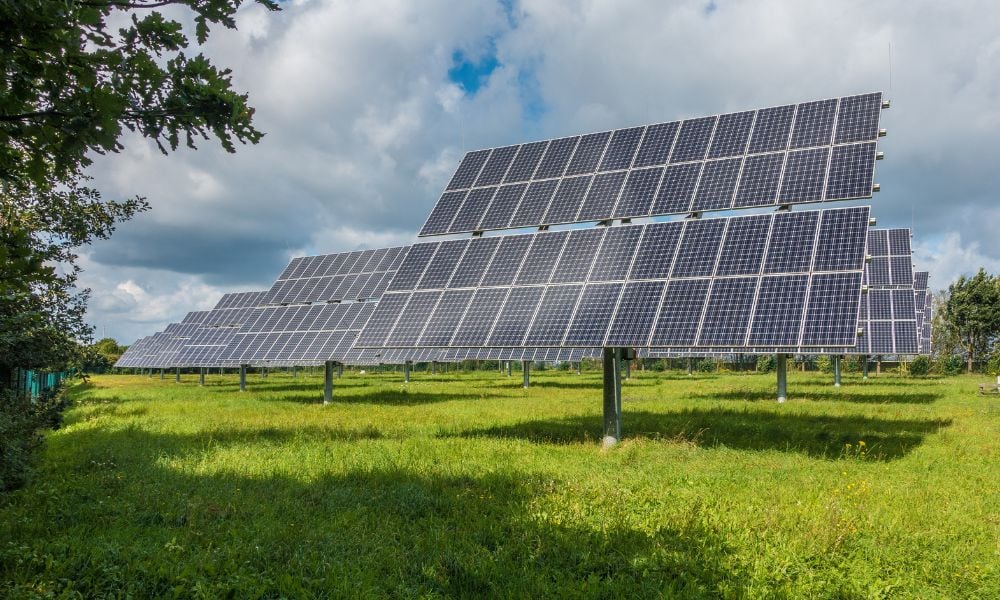
By installing solar energy systems with optional battery storage, users are far less vulnerable to grid disruptions, energy price volatility, and utility outages. This energy independence is especially valuable in regions affected by severe weather.
Real-World Example: Case Study
Bright Future Office Park – Mumbai, India
In 2023, this mid-size commercial complex installed a 350 kW rooftop solar system across three buildings. Within the first year, overall electricity costs decreased by 64%, the facility was able to cover generator backup with a modest battery bank, and the solar installation became a point of pride in corporate environmental reporting. Moreover, the complex reported better occupancy rates—a testament to the appeal of sustainable facilities.
Environmental and Social Benefits
Solar energy systems:
Environmental Impact of Solar Power
| Environmental Attribute | Solar Energy | Coal | Oil & Gas | Hydro | Nuclear |
|---|---|---|---|---|---|
| Carbon Output | None | High | High | Low | None (in use) |
| Water Use | Minimal | High | High | High | High |
| Land Impact | Low | Medium | Medium | High | Medium |
| Pollution Risk | None | High | High | Low | Accident-dependent |
Beyond the Grid: Versatile and Scalable Applications
Solar energy systems fit a wide range of use-cases:
Sector-Specific Solar Benefits
| Sector | Application | Key Result |
|---|---|---|
| Agriculture | Solar water pumps, crop drying | Higher crop yields, lower costs |
| Education | School rooftop solar, laptop charging | Improved learning, reliable power |
| Healthcare | Solar backup for clinics/hospitals | Continuous refrigeration, lighting |
| Government | Solar-powered community buildings | Resilient public services |
Read More: Bifacial Solar Panels: Installation & Efficiency Guide
While solar energy systems offer far-reaching benefits, some challenges exist:
Whether for your home, your business, or your broader community, solar renewable energy provides lasting environmental relief, substantial financial gains, and unmatched security in a volatile energy world.
By choosing green energy solar, you:
With every watt of sunlight captured, a brighter, cleaner, and more prosperous future becomes possible. Now is the time to seize the benefits of solar energy.
Also Read: Ground Mount vs. Rooftop Solar: Which is Right for Your Property?
Solar energy reduces electricity costs, supports clean renewable power, lowers carbon emissions, and provides long-term energy savings.
Most solar panels last 25–30 years with reliable performance and minimal maintenance requirements.
Yes, solar panels still generate electricity during cloudy and rainy days, but energy production may be lower.
Yes, commercial solar energy systems help businesses lower electricity costs and improve long-term operational savings.
Yes, surplus solar energy can often be exported to the grid through net metering or local energy programs, helping businesses maximize their solar energy savings.