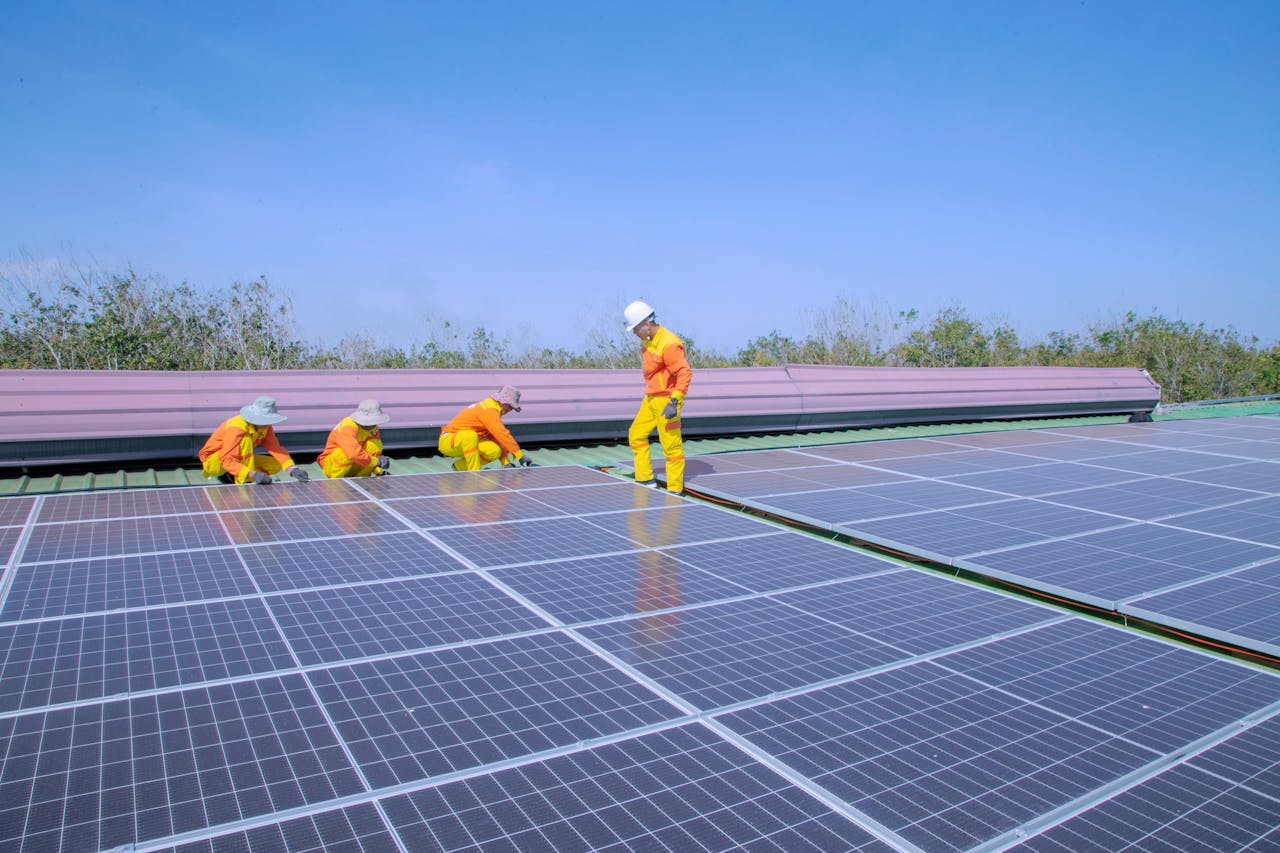

let’s preserve the environment by using solar panels
Contact Us 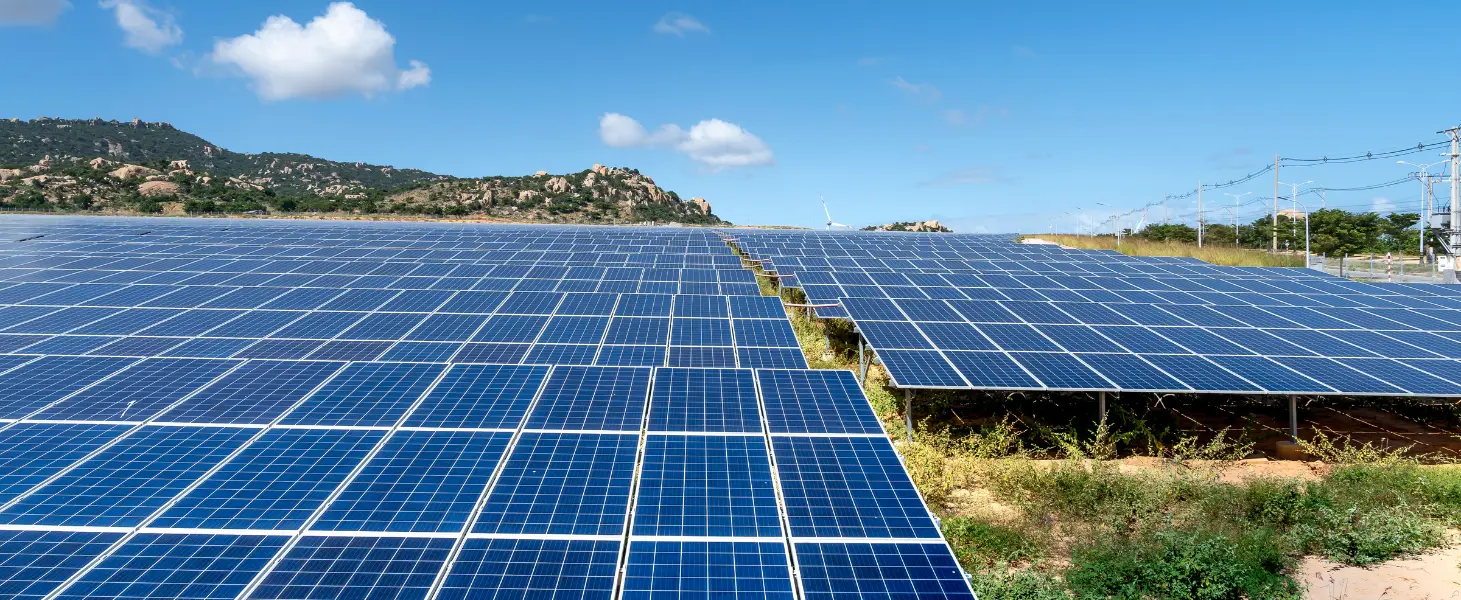
Bifacial solar panels capture sunlight from both sides front and back producing 5–30% more electricity than standard panels from identical roof space. They cost about 10% more upfront but deliver longer lifespans (25–30 year warranties) and lower cost-per-unit power, making them ideal for businesses with limited space and reflective surfaces.
Think of a single-lane road versus a double-lane highway: the highway moves twice the traffic in the same space. Standard panels catch light only from above; bifacial panels work from both surfaces. For your business, that means more power without more roof.
At Enerparc, we have seen that these panels work well for both on-site solar PV systems on your premises and off-site solar PV farms on open land. Want to know if the bifacial solar panels are right for your company? Let’s find out!
– Bifacial solar panels generate electricity from both sides for higher energy output.
– They can produce 5–30% more power than traditional solar panels.
– Reflective surfaces and proper installation improve bifacial panel efficiency.
– These panels offer better durability with 25–30 year performance warranties.
– Higher upfront costs are balanced by long-term energy savings and efficiency.

Bifacial solar modules can make power from both sides of the panel. They have solar cells that convert sunlight from the front and also from light that bounces off the ground onto the back. This lets them make more power than normal panels, which is great for businesses that have space constraints and want to maximise the power outputs from less space.
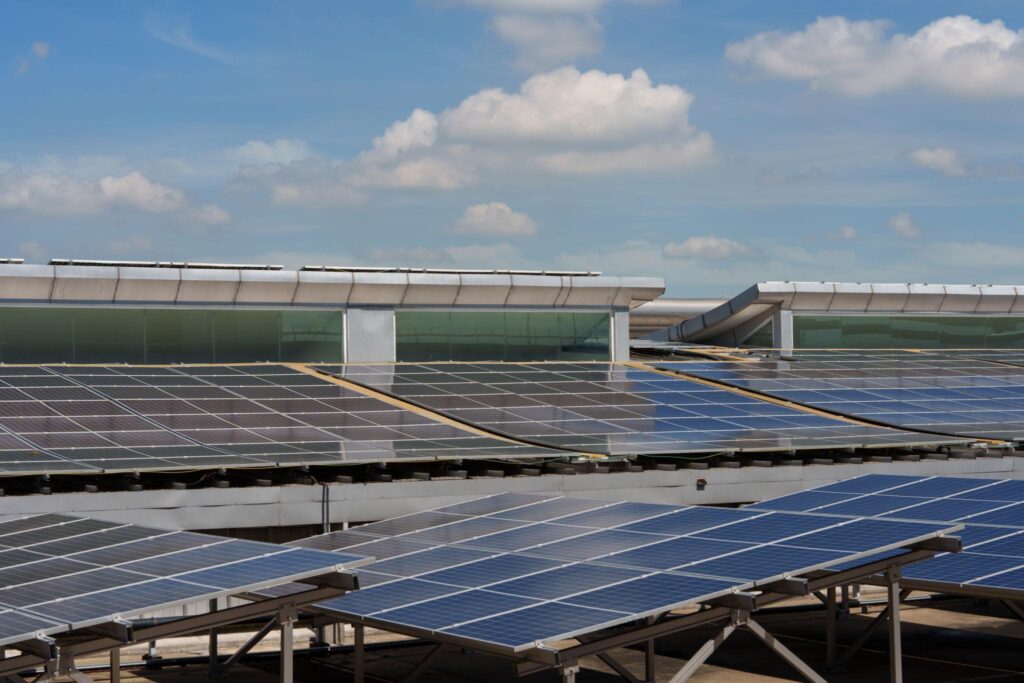
These panels come in different designs, each with unique features to suit various setups.
Structurally stronger than regular panels, these can handle greater loads in tough environments. They feature glass on both the front and back sides, making them highly durable. These panels work well on roofs where weather resistance matters most for your operations.
These panels combine a glass front with a see-through backsheet on the back. More budget-friendly than full glass models, they’re a good choice when you need to balance cost with performance. If you’re asking what is a bifacial ground mount solar that gives good value, these are often a good choice.
Featuring glass on the front and a non-transparent backsheet, these panels still capture reflected light effectively. Though they have slightly lower rear-side performance, they provide good energy output for your commercial building at a more affordable price point.
Related post: Ground Mounted Solar Panels vs Roof Solar Panels Which Is Right
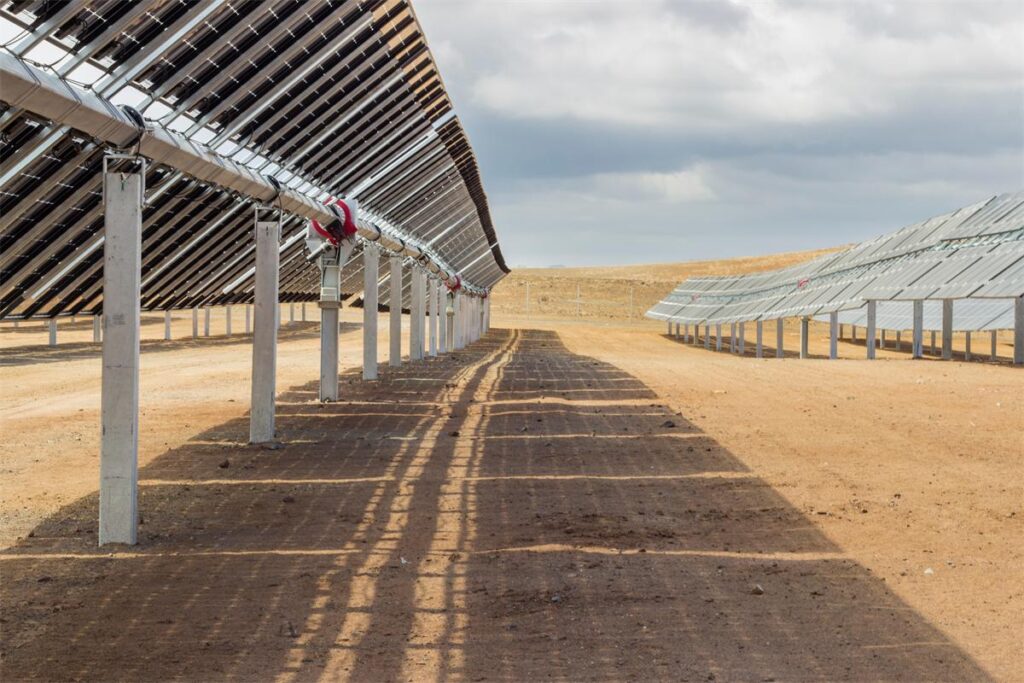
These two-sided panels offer unique benefits that standard panels can’t match.
Bifacial solar panels make 5-30% more power than normal panels. The back side catches extra light that bounces off your roof or ground. This means more power from the same roof space, saving your money.
They last longer because they have better protection on both sides. Most come with 30-year warranties, longer than standard panels. How do bifacial solar panels work over time? They keep their efficiency better than one-sided panels, giving you more value with fewer replacements.
Even though they cost more at first, bifacial PV cells save money over time. They make more power each year, which means the cost per unit of power is lower. Your business breaks even faster despite the higher starting price.
Before investing, it’s important to understand the potential drawbacks of the bifacial solar panels.
The panels cost about 10% more than normal panels. This means you need a bigger budget at the start.
The extra cost of the bifacial solar cell comes from specialised transparent backsheets or glass-glass construction, modified photovoltaic cells that collect light from both surfaces, and more complex manufacturing processes with additional quality control steps.
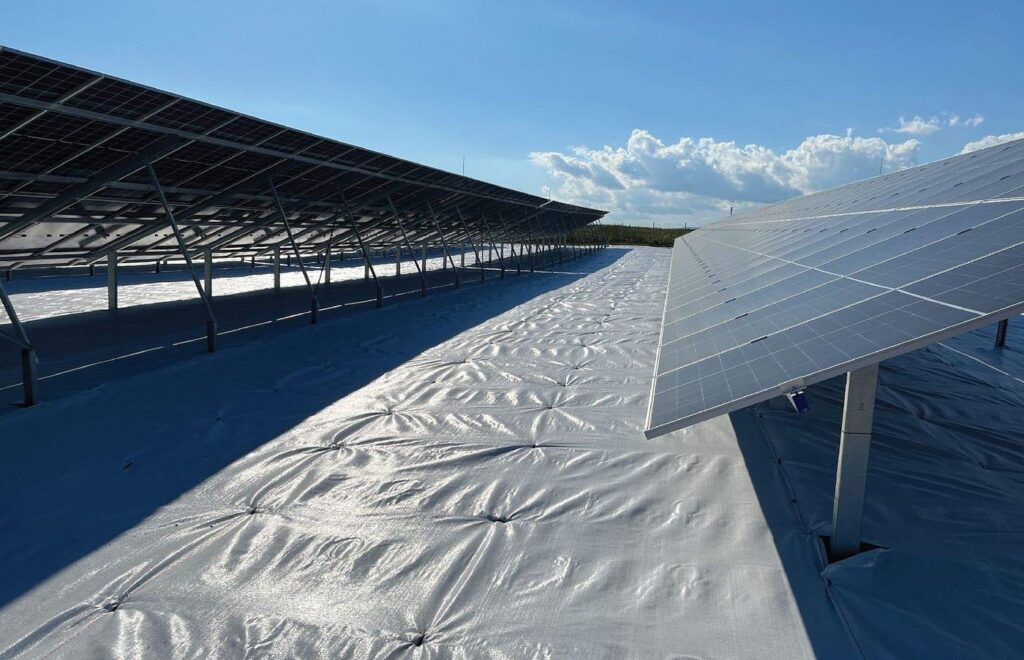
These panels need to be set up in special ways to work their best. Your installer must know how to mount them so light can reach the back. This might mean using different racks or placing them higher off the roof.
The albedo effect also matters – the surface beneath the panels affects performance since light surfaces like white roofs or concrete reflect more light to the back of the panels than dark surfaces.
If your roof is dark or you can’t create good reflecting surfaces, the bifacial solar panels efficiency might not justify the extra cost. You need light colours below the panels to bounce enough light to the back side for the best results. Our solar calculator can help you decide if they’re worth it for your site.
Read More : Ground Mount vs. Rooftop Solar: Which Option Suits Your Property Best?
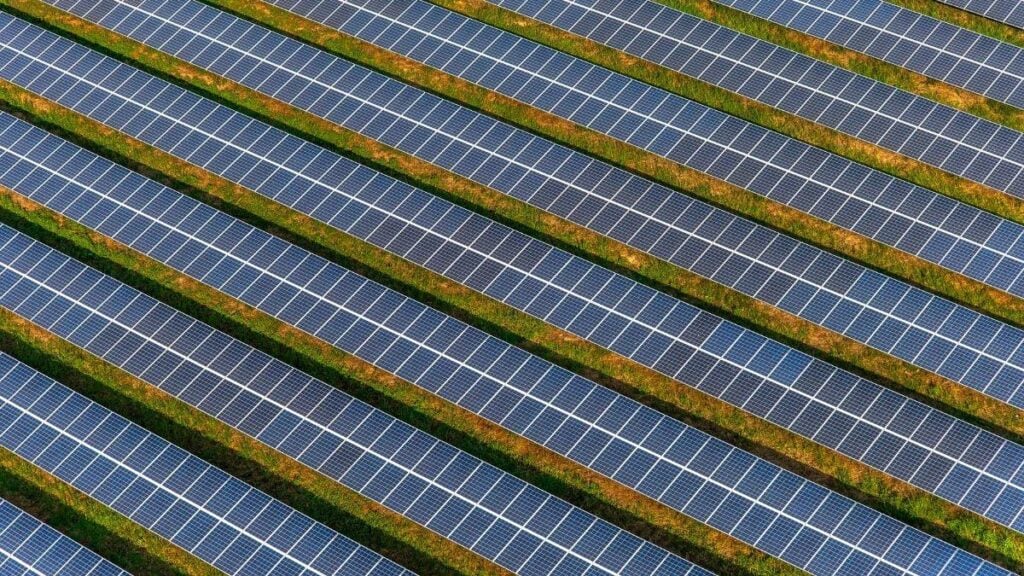
Proper installation is essential to get the most from these double-sided panels.
The panels must be raised higher than normal ones so light can reach the back. Most installations use special racks to keep panels at least 1 metre above the roof. This extra height lets more light bounce to the back.
The surface below the panels should be light-coloured to reflect more sunlight. Many businesses use white paint, light gravel, or special reflecting sheets. The more light bounces up, the more power your panels will make.
Your panels need to be set at the right angle and spaced well apart. For most sites, tilting panels at 20-30 degrees works best. Proper spacing stops panels from shading each other on both sides.
Read More: Floating Solar Panels and Canal-Topped Systems: Efficiency & Benefits

Making the right choice helps ensure you get value for money.
– Check the Efficiency Rating: Look for panels with at least 20-23% efficiency. Higher numbers mean your panels make more power from the sunlight they catch.
– Look at Panel Strength: Find panels that can handle bad weather like strong winds and heavy snow. Strong frames and glass keep panels working longer.
– Compare Total Costs: Don’t just look at the first price. Think about what you’ll spend on setup, operational costs, and fixes over time.
– Pick a Good Brand: Choose panels from companies that many people trust. Good brands have happy customers and make panels that last a long time.
– Read the Warranty Papers: Find panels with at least 25-year warranties. Good makers promise their panels will still work well after many, many years.
Also Read : Rooftop Solar System: How to Choose the Best Roof for Maximum Efficiency
Bi-facial solar panels can give you more power from the same roof space, but they need proper planning and setup. They cost more at first, but often save money over time through extra power. Think about your roof conditions, budget, and power needs before deciding.
Want to know if these panels would work for your business? Contact Enerparc today for expert advice on the best solar solution for your company’s needs.
Yes, bifacial solar panels are more efficient because they generate electricity from both the front and back sides. They can produce 5–30% more energy compared to traditional solar panels.
Bifacial solar panels can generate up to 30% more power depending on roof type, reflective surfaces, panel height, and installation angle.
Bifacial solar panels usually cost around 10% more than standard solar panels due to advanced materials and specialised installation requirements.
Yes, bifacial solar panels can be installed on commercial and industrial rooftops. They work best on light-coloured or reflective surfaces that increase rear-side sunlight capture.
Most bifacial solar panels come with 25–30 year warranties and offer better durability because of their glass-glass or reinforced construction design.