
let’s preserve the environment by using solar panels
Contact Us 
C&I rooftop solar systems in India cost ₹40,000–₹1,50,000 per kW (2025), deliver 15–20% ROI with a 3–5 year payback period, and provide 20+ years of near-free electricity afterward. Even without direct subsidies, accelerated depreciation, GST input credit, and net metering boost returns making rooftop solar one of the strongest business investments available today.
With over 5,000 trillion kWh of solar energy falling on India’s land annually, this abundant resource has transformed from a climate challenge into a financial advantage. As electricity prices soar, rooftop solar cost has become a critical consideration for businesses cutting operational costs and meeting environmental goals. This guide covers the economics, costs, and ROI of C&I rooftop solar.
– Strong ROI for businesses: C&I rooftop solar systems typically offer 15–20% ROI with a 3–5 year payback period, followed by 20+ years of savings.
– Cost depends on multiple factors: Rooftop solar cost varies by system size, component quality, location, and roof condition, with larger systems reducing per-kW cost.
– CAPEX vs OPEX options: Businesses can choose CAPEX (ownership + higher savings) or OPEX (zero upfront cost + predictable tariff) based on budget and goals.
– Tax benefits boost savings: Even without direct subsidies, benefits like accelerated depreciation, GST input credit, and net metering improve project returns.
– Good design improves performance: Proper structural assessment, shading analysis, and monitoring systems ensure maximum energy output and long-term system reliability.
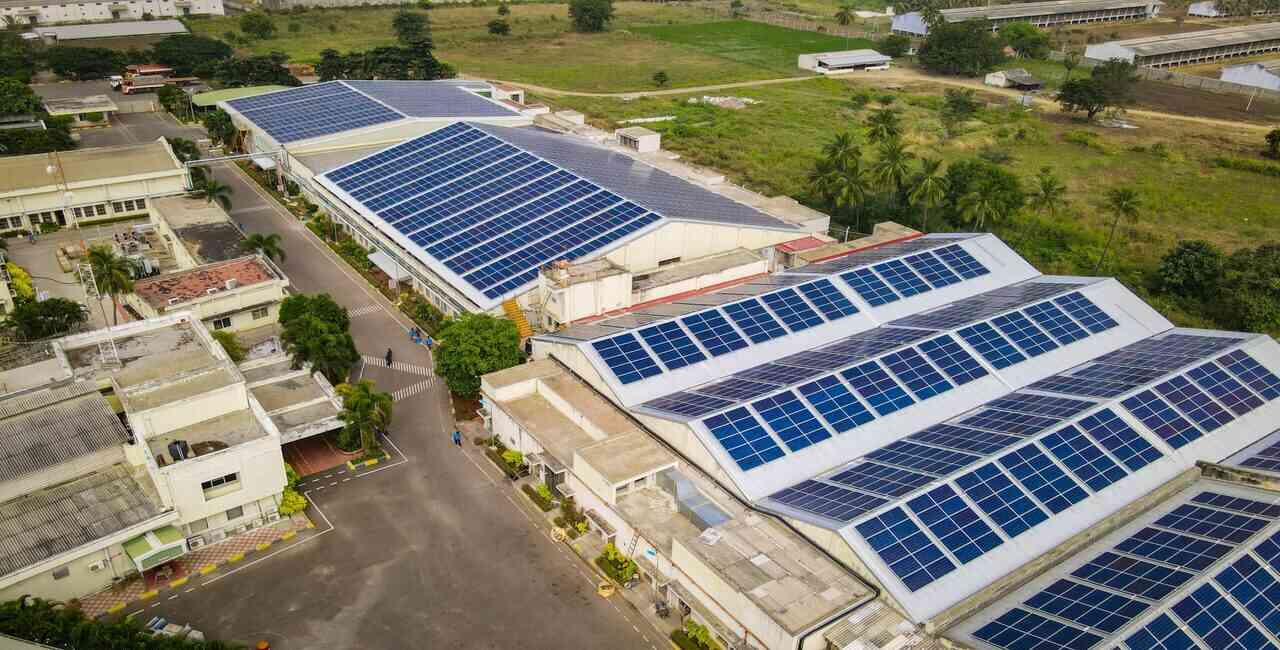
The economics of commercial solar systems bring together initial expenses with future savings to create strong business opportunities through different financing models and incentive structures. The competitiveness of rooftop solar panel price creates more attractive economics for businesses that are investing in renewable energy systems.
Also Read: Harnessing the Power of Your Roof With Solar
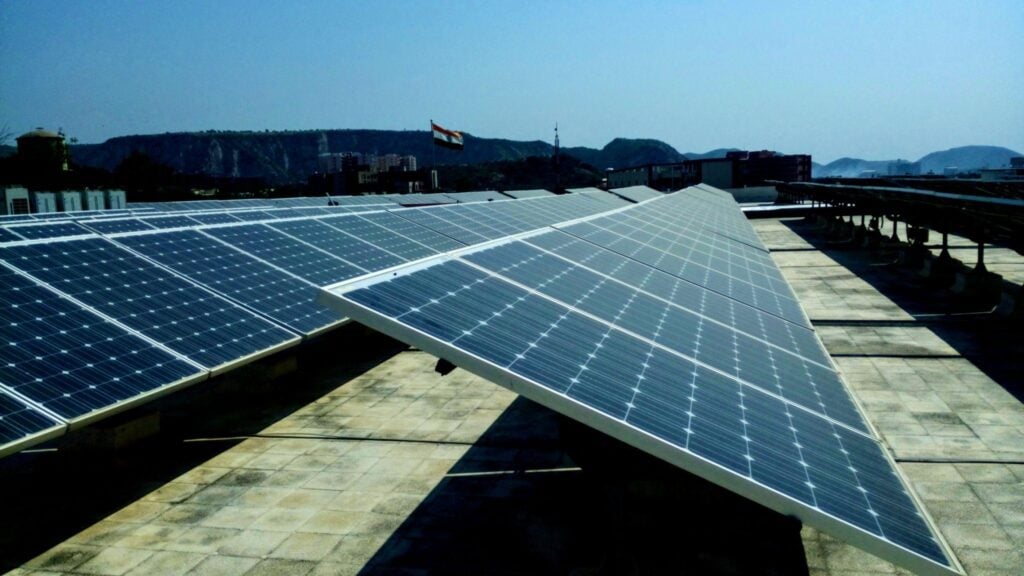
The solar plant installation cost has seen a substantial drop in recent years. The average solar rooftop price in 2025 is estimated at ₹ 40,000 – ₹ 1,50,000 per kW.
Various factors determine the total Rooftop Solar Cost.
The table below breaks down the typical rooftop solar cost components for C&I installations.
Component | Percentage of Total Cost | Description |
| Solar Panels | 45-50% | High-efficiency modules from tier-1 manufacturers |
| Inverters | 15-20% | String inverters or central inverters, based on system size |
| Mounting Structures | 10-15% | Engineered for roof type and local wind conditions |
| Balance of System | 10-15% | Cables, junction boxes, and safety equipment |
| Installation & Labour | 10-15% | Professional design and installation services |
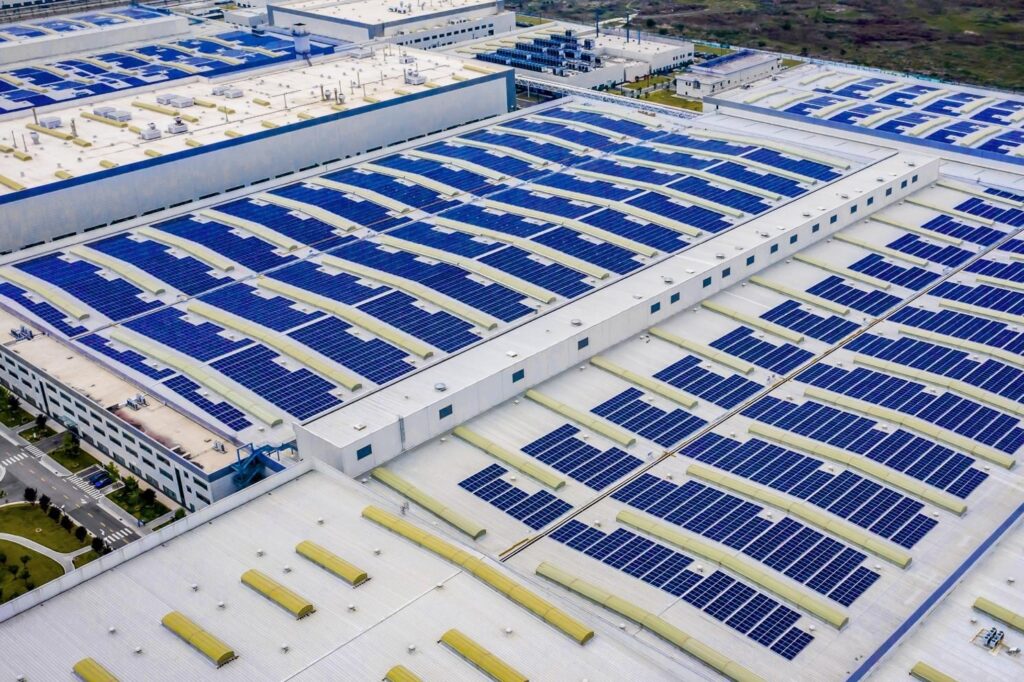
Businesses pursuing solar energy have two main financing options with advantages tailored to their financial requirements and energy usage plans. The chosen models define both solar roof installation cost and operational accountability for system performance throughout its service lifespan.
• Full ownership of the solar system since day one
• Complete control over system design, equipment selection and operations
• Get up to 40% write-off on your first year of investment as depreciation benefits.
• Higher returns on investment (ROI of 15-20%) with payback periods of 3-5 years
• Good for businesses that have capital and long-term facility ownership
• Zero upfront investment required
• Fixed per-unit electricity costs lower than grid tariffs
• System owned, installed and maintained by a third-party developer
• Predictable energy expenses for 15-25 years
• Ideal for businesses focused on core operations without technical expertise
Both models offer significant electricity cost savings, reduced carbon footprint, and enhanced brand reputation. The choice depends on your financial priorities, tax position, and long-term business strategy.
Also Read: Rooftop Solar: A Closer Look
Solar investments deliver exceptional returns through electricity savings, tax benefits, and long-term asset appreciation, typically outperforming traditional investment options for businesses. When evaluating rooftop solar cost in India, businesses find that the initial investment is quickly offset by these substantial financial advantages.
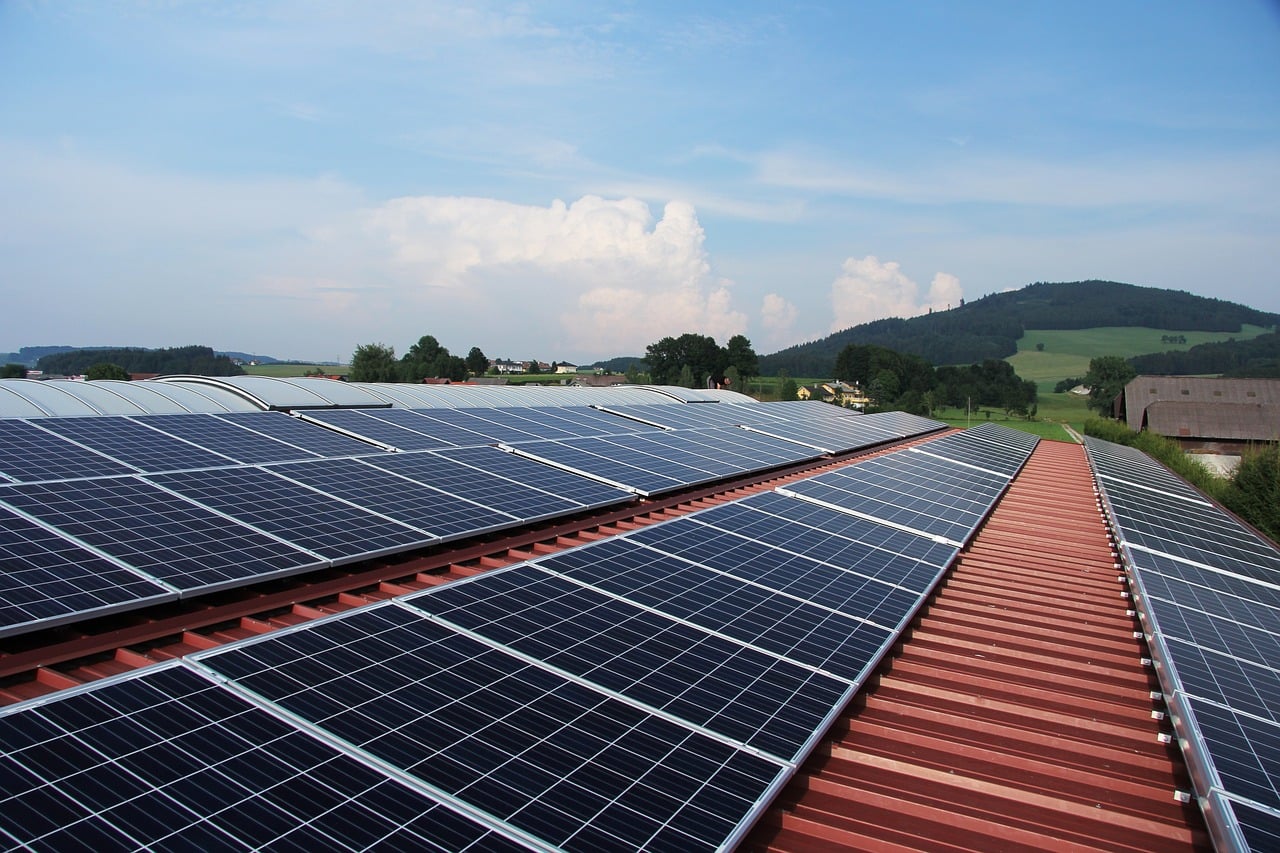
Most commercial installations usually pay back in 3 to 5 years. After that, electricity will be practically free for 20 more years. You can easily get an estimate of the overall performance and savings from our solar PV systems using the solar calculator. The factors influencing ROI involve electricity rates, solar power output, system performance, and financial benefits.
A 500 kW rooftop solar PV system in India can produce 7,50,000 units annually and reduce a lot on electricity costs. Businesses currently pay commercial electricity rates that fall between ₹6 and ₹15 per unit. So, you can save ₹45-112.5 lakhs in a year. Thus, the rooftop solar cost is totally worth it.
The installation of C&I solar PV systems doesn’t receive direct subsidies, yet multiple financial opportunities exist.
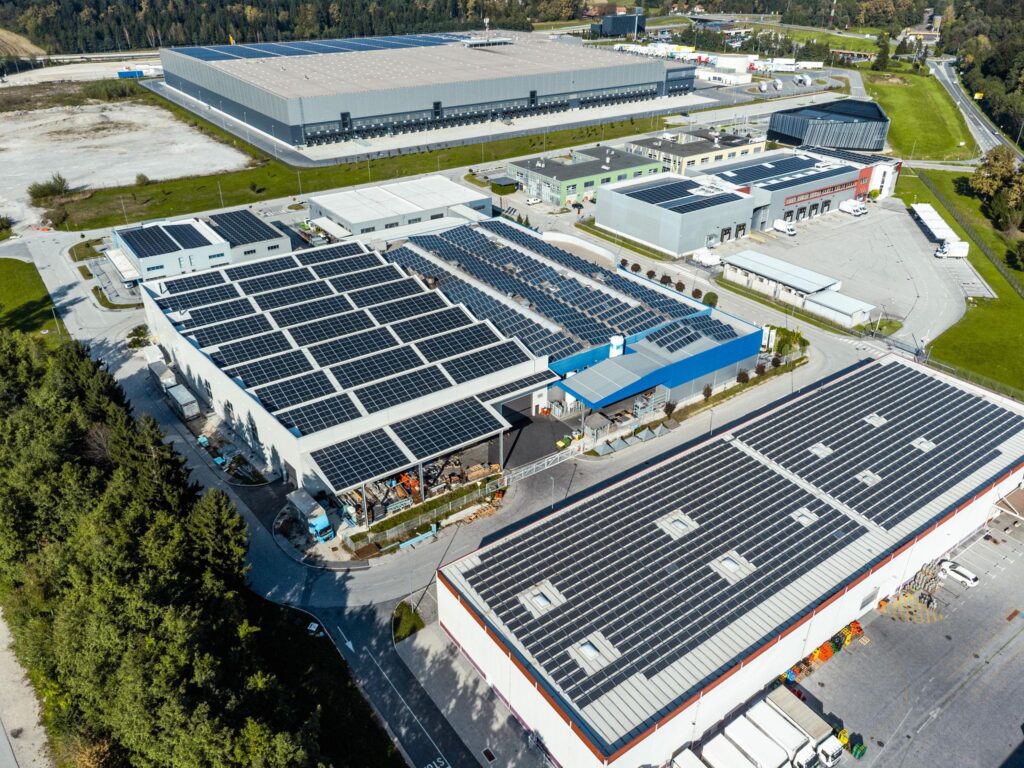
Proper system design, quality components, and regular maintenance ensure maximum energy yield and system longevity, directly impacting financial performance and ROI.
The operational performance and service duration of C&I rooftop solar PV systems depend on the system design and component selection. The evaluation of solar rooftop cost requires you to examine these factors:
Also Read: Understanding Bifacial Solar Modules
Commercial firms and industries need to evaluate their installation space before implementing solar power systems. Every 1 kW solar power system requires 100 square feet of rooftop area that remains without shadows. Thus, to install a 100 kW system, you need approximately 10,000 square feet of rooftop space.
Before starting the installation process, you must perform:
The C&I rooftop solar system has numerous financial and environmental benefits. Now, with the decreasing rooftop solar system price and advancements in technology, this is the most opportune time to invest in this renewable energy resource.
Connect with Enerparc today for a customised solar solution that maximises your ROI and helps you achieve energy independence.
In 2025, rooftop solar installation costs typically range from ₹40,000 to ₹1,50,000 per kW, depending on size, equipment quality, and location.
Most C&I rooftop solar systems recover the investment within 3 to 5 years, after which the electricity generated is nearly free (excluding minor maintenance).
On average, 1 kW requires around 100 sq. ft. of shadow-free rooftop area. For example, a 100 kW system needs about 10,000 sq. ft. of space.
C&I rooftop solar systems need periodic cleaning and inspections. Maintenance usually costs around ₹300–₹500 per kW per year, depending on dust and pollution levels.