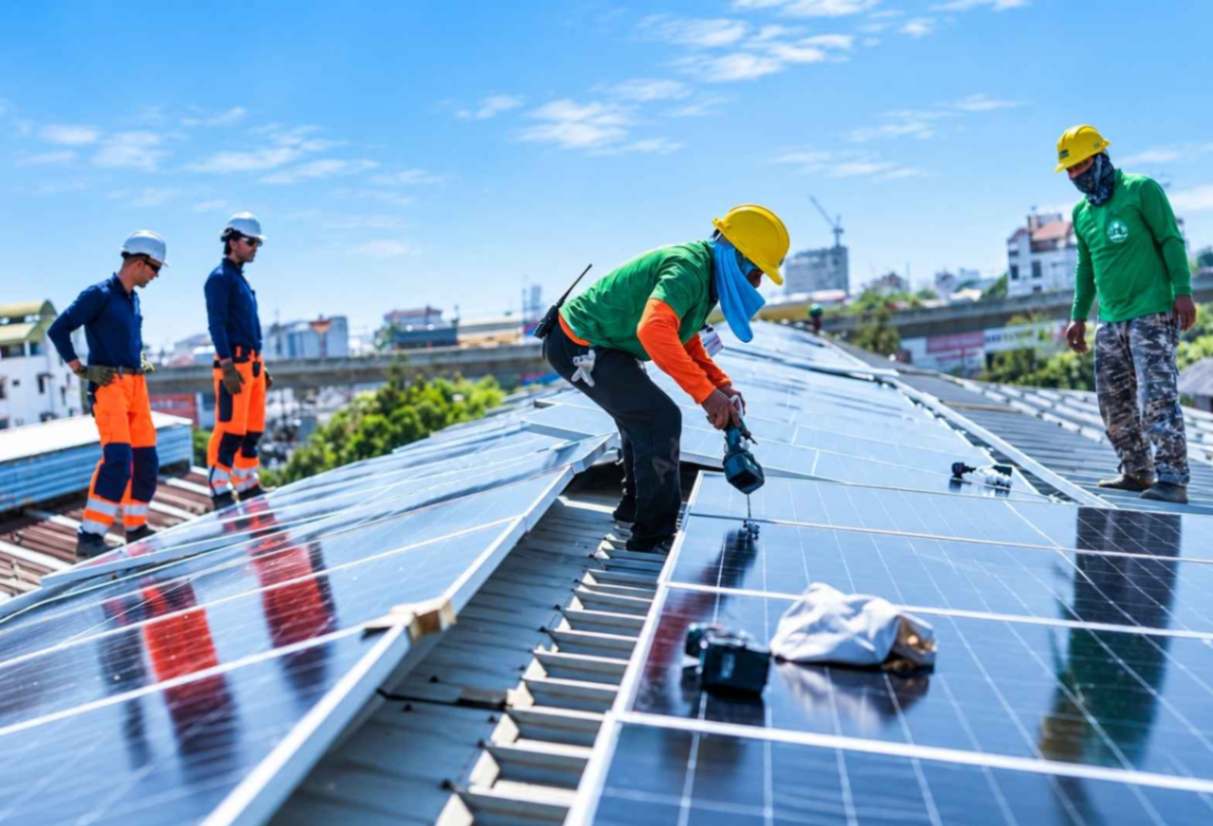

let’s preserve the environment by using solar panels
Contact Us 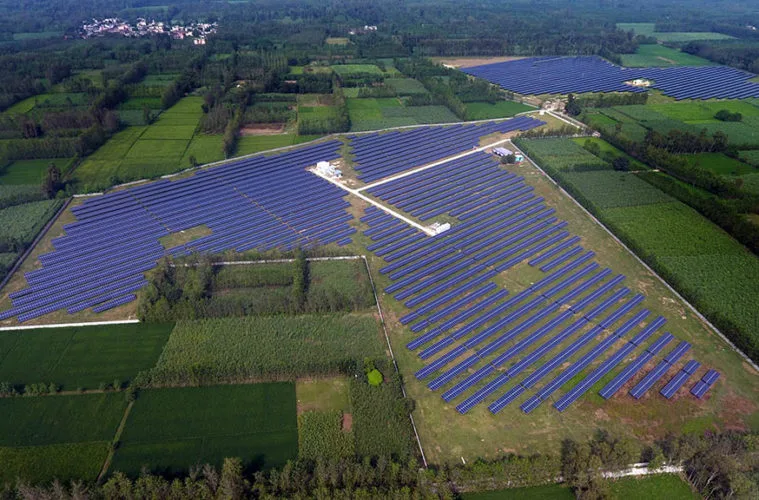
Ground-mounted solar systems have emerged as the frontrunner for utility-scale and commercial projects offering significant cost savings, high energy efficiency, and flexible design options from module canopies to advanced tracking systems. Success depends on proper site assessment, engineering, and regular maintenance. For landowners and large power consumers, they’re a smart, future-ready investment delivering both economic and environmental returns.
Ground mounted solar installations conjure images of large swathes of land dominated by deep-blue solar modules, powering businesses, factories, and sustainable growth. As India’s appetite for solar grows, many landowners are warming to installing solar projects on their land to raise savings and enter Power Purchase Agreements (PPAs) and ground mount systems lead the utility-scale segment.
– Ground-mounted solar systems are ideal for utility-scale and commercial solar projects, offering significant cost savings and energy efficiency.
– Proper site assessment, design, and engineering are critical for optimal performance and energy generation.
– Regular maintenance, including cleaning and shading management, is essential to sustain efficiency.
– Different installation types such as module canopies, conventional systems, and tracking systems provide greater flexibility and improved performance for ground mounted solar power plants.
– Investing in ground-mounted solar plants supports long-term sustainability, reduces operational costs, and aligns with India’s renewable energy goals.
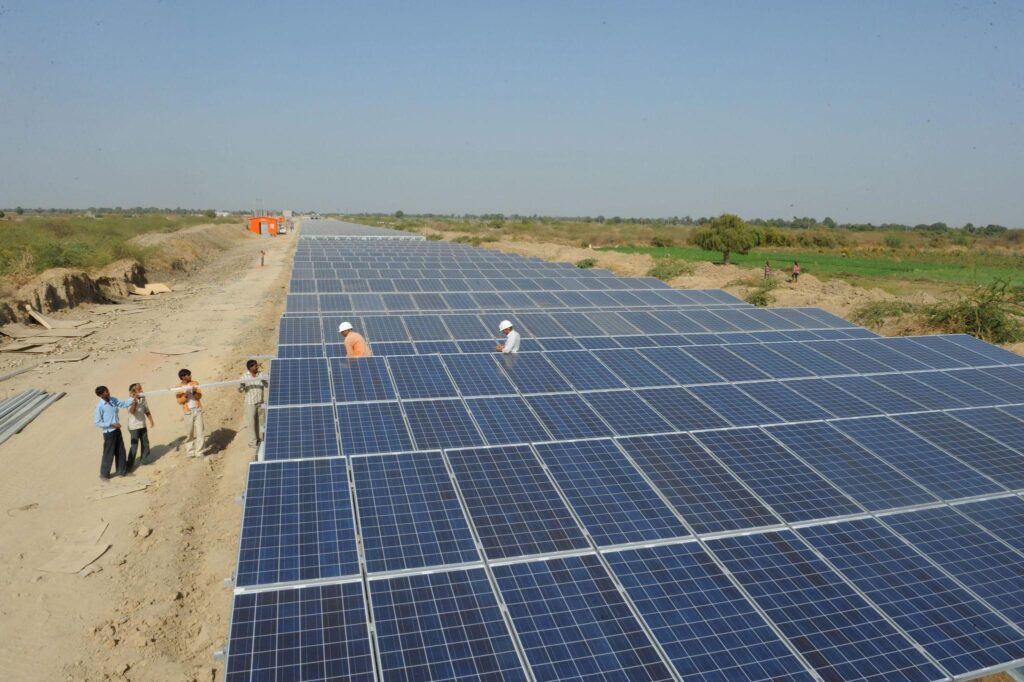
As with any solar installation, the success of a ground mount solar system depends on various engineering and design factors. These include project size, module tilt, inverter placement, cable layout, and panel orientation. A detailed study of the site, conducted by experienced design engineers, is critical for aligning site specific requirements with solar output expectations.
When a ground mount project kicks off, the project passes through a certain number of definitive phases that dictate the speed and efficiency with which the project is readied for commission.
Also Read: Module Mounting Structures for Ground Mount Solar Installations
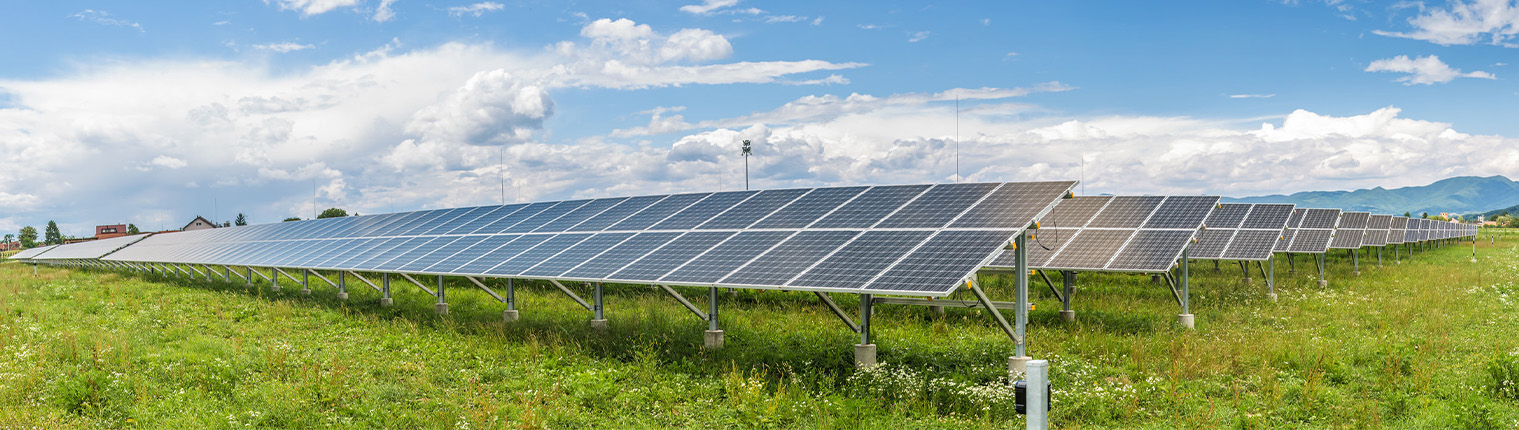
Efficiency in a ground mount solar system can be discussed via various different prisms: of the modules, the electrical components, and the design, among a few others. Harmonising methods that maximise efficiency, along with the broad processes that are involved in installation, presents the opportunity to envision a truly complete solar installation. Below, we explore how thoughtful planning and engineering enhancements contribute to the improved efficiency of ground based solar panels.
This type of installation is ideal to maximise the usage of land on which a ground mount solar system is carried out. Modules are installed in the form of canopies, i.e., they are raised significantly above the surface of the ground, allowing the space under the modules to be used. For instance, carports are systems where the space below the module canopies is used as parking spaces. This dual-purpose approach enhances the utility of ground based solar panels in commercial and urban settings.
Conventional ground mount solar setups are the most widely used. These systems typically involve ramming or pile foundations that securely anchor the support structures to the ground. The resulting support structure bears the weight of the modules along with their mounting and back support components. The back support of the modules is designed so as to clasp the modules at the designed tilt angle. Arriving at the right type of foundation for the installation is a critical part of the design as it dictates the stability of the installation.
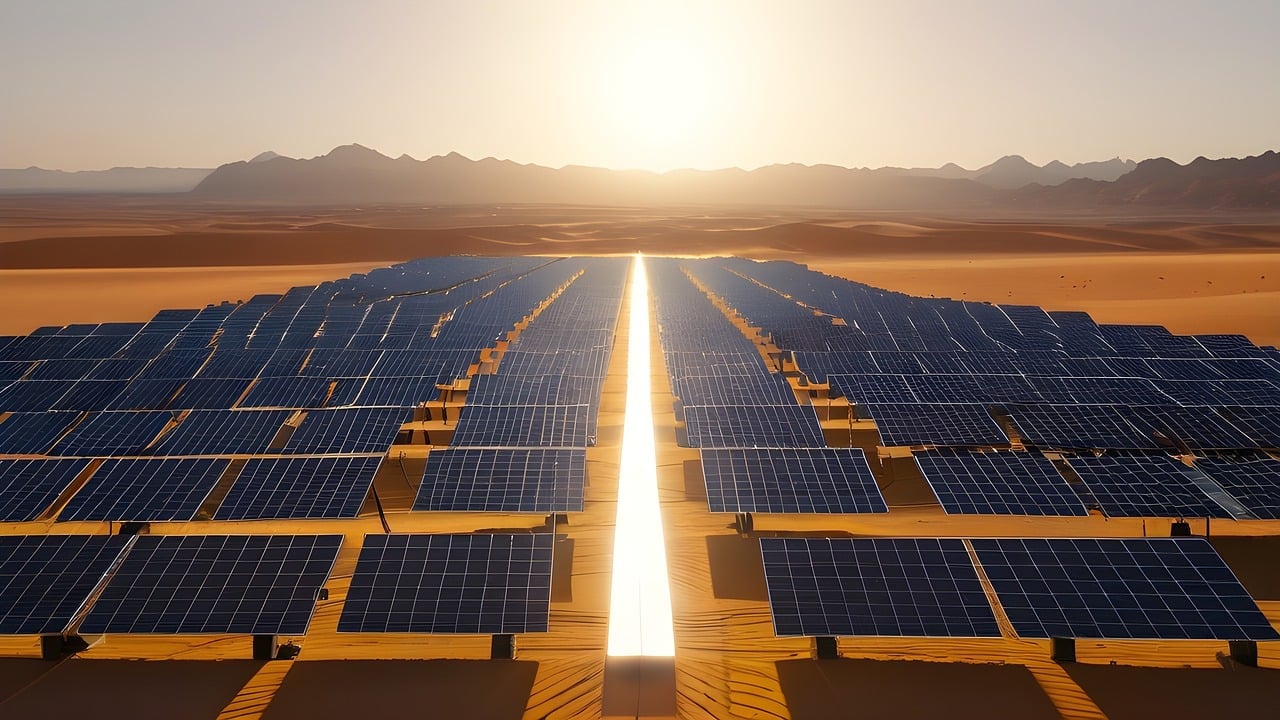
Tracking technology is increasingly being used in modern ground mounted solar systems. These systems use single-axis or dual-axis trackers that adjust the angle of the solar panels throughout the day by following the path of the sun. By optimizing the orientation of ground mounted solar panels, tracking systems significantly increase energy production and system efficiency.
Ground-mounted solar power plants are thus not only hugely important investments in clean energy, but they also generate savings for businesses, require minimal maintenance, and drastically reduce the operational costs of large power consumers, securing sustainable growth for future successes.
Ground mounted solar systems are revolutionizing India’s approach to large-scale clean energy generation. With flexible design options ranging from module canopies to advanced tracking systems, ground mounted solar panels offer an efficient and scalable solution for landowners, industries and utility providers. When thoughtfully planned and engineered, these installations can deliver significant energy savings, reduce operating costs and promote long-term sustainability.
As demand for renewable energy continues to grow, ground mounted solar solutions are emerging as a smart, future-ready investment for businesses and landowners looking to maximize both economic and environmental returns. With the right expertise and implementation, they not only support India’s energy goals but also pave the way for a greener, more resilient future.
It is a solar PV system installed on the ground, typically on large plots of land, to generate electricity efficiently for commercial, industrial, or utility-scale use.
They offer cost savings, high energy efficiency, flexible designs, minimal maintenance, and support long-term sustainability.
Through a site survey, design planning, installation of panels and components, and ongoing maintenance to ensure optimal performance.
Yes, ground-mounted solar systems require minimal maintenance, mainly regular cleaning of solar panels and proper management of shading and vegetation to maintain high efficiency and consistent energy generation.