
let’s preserve the environment by using solar panels
Contact Us 
If your business is reviewing electricity costs, open access, or captive renewable power, you may have searched for the “Electricity Amendment Act 2026.” There’s one important point to clear up first: the wider reform remains a proposed amendment, while the Electricity (Amendment) Rules, 2026 are already notified. For commercial and industrial (C&I) users, knowing the difference helps separate current compliance requirements from possible future changes.
A DISCOM is a distribution company that supplies electricity to consumers through the distribution network. For a C&I buyer, its tariff, service conditions, and regulatory orders can directly affect operating costs. This is why proposed changes to distribution and pricing deserve attention before long-term energy decisions are made.
The Electricity Act, 2003 is India’s main law for the power sector. In January 2026, the Ministry of Power discussed a Draft Electricity Amendment Bill, 2026, with financial viability, industrial competitiveness, energy transition, distribution reform, and regulatory accountability among its focus areas. The bill forms part of wider power sector reforms in India.
The Ministry’s January 2026 release also described the earlier Draft Electricity (Amendment) Bill, 2025 as being under consultation. The broader legislative reform under the Electricity Amendment Act should therefore be treated as a proposal, not as an enacted Act.
That distinction matters for a C&I business. A draft Bill can indicate the direction of policy, but it doesn’t by itself change your electricity tariff, procurement contract, or captive structure. Those effects depend on what’s finally enacted and how regulators implement it.
The proposed reforms could affect two areas that directly shape how large businesses manage electricity: tariffs and access to distribution networks. Both areas can influence decisions made by industrial power consumers.
The draft proposes cost-reflective tariffs, meaning electricity prices should better reflect the cost of supplying power. It also proposes eliminating cross-subsidies for manufacturing enterprises, Railways, and Metro Railways within five years. Cross-subsidy means one consumer category helps support another through electricity pricing. These proposals could also shape commercial energy costs and electricity tariff changes for affected users.
For an industrial consumer, this could change the cost structure under the Electricity Amendment Act over time. It doesn’t mean every C&I user will automatically pay less. The final impact would depend on the enacted provisions, regulatory decisions, and state-level tariff orders.
The draft also proposes allowing distribution licensees to use another licensee’s network, subject to regulatory approval and charges set by the State Electricity Regulatory Commission. The government says this is intended to reduce duplication in poles, wires, and substations and support greater competition. These proposed power distribution reforms could affect open access electricity arrangements.
For C&I users, network access matters because it supports electricity choice. The draft also proposes that State Electricity Regulatory Commissions may exempt distribution licensees from their supply obligation for consumers whose maximum demand exceeds 1 MW, in consultation with the state government.
This could be relevant for large facilities that already assess open access or other procurement models. However, the provision is proposed, so businesses shouldn’t treat it as a current exemption.
The Electricity (Amendment) Rules, 2026 are different because they have been notified. They were published on 13 March 2026, and specified provisions took effect from 1 April 2026.
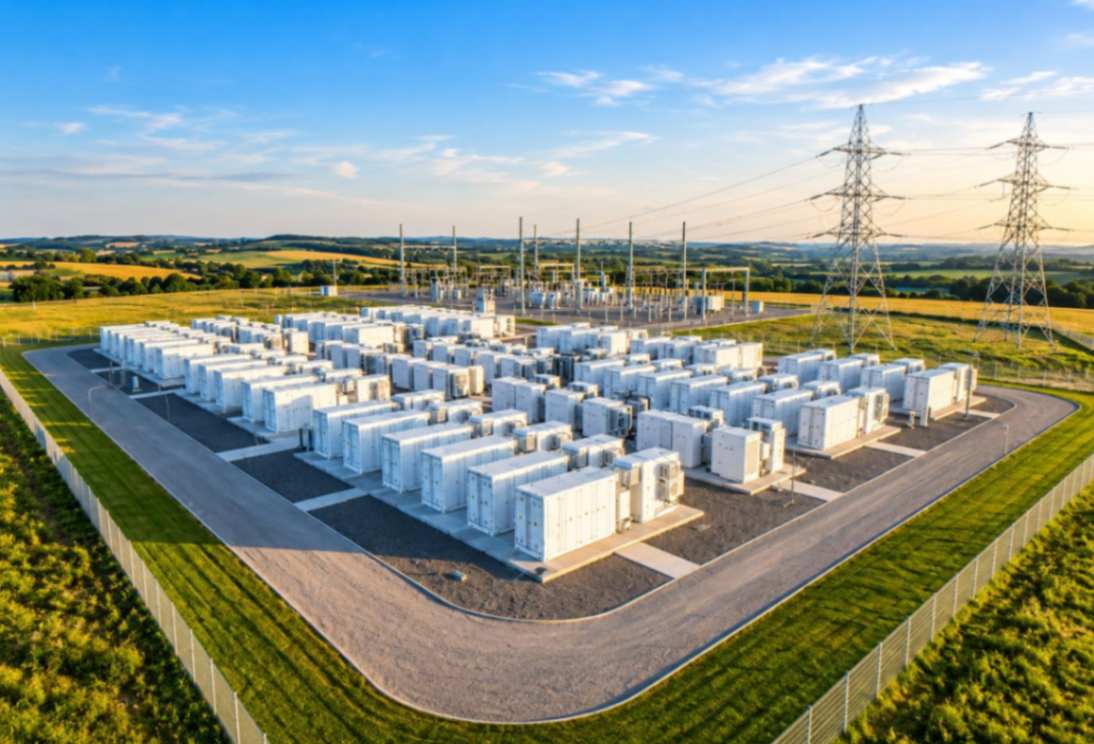
For a captive generating plant, at least 26% of ownership must be held by captive users, and at least 51% of the electricity generated during the financial year must be consumed for captive use. The rules also recognise electricity consumed through an Energy Storage System when that energy comes from the captive generating plant. These conditions matter for renewable energy procurement and energy compliance for businesses.
The rules further clarify treatment of certain company structures. Where a captive user is a company, its subsidiaries, holding company, and certain other subsidiaries of that holding company can be treated collectively as a single captive user. For projects using an identified generating unit or units for captive use, the ownership and consumption tests apply to those identified units. This is relevant to power purchase agreements and energy procurement regulations.
For C&I businesses, these details turn captive power from a broad project concept into a compliance question. Ownership, annual electricity consumption, project structure, and verification all need to align with the rules. The Ministry’s explanatory note also sets out verification arrangements for captive consumption.
The practical impact of the Electricity Amendment Act depends on how your business currently sources electricity.
For businesses planning renewable power, the draft also proposes enforceable non-fossil energy obligations and market-based measures to support non-fossil generation. That makes the final regulatory framework worth following alongside project costs, load requirements, and compliance planning.
Three areas deserve close attention: the final form of the Electricity Amendment Bill, state-level implementation of tariff and distribution changes, and the rules that govern open access and captive power.
C&I energy teams should also distinguish between a proposed provision and a rule already in force. That simple check can prevent a business from building a procurement or compliance decision around a change that hasn’t yet become law.
The electricity amendment debate could shape how C&I businesses buy, generate, and manage power, but its impact should be assessed in stages. The 2026 captive rules already create specific compliance requirements, while the wider Bill remains subject to the legislative process. This distinction matters across commercial and industrial power consumers.
For businesses planning clean-energy projects, Enerparc can help you assess these changes alongside your actual electricity demand, procurement arrangements, and compliance needs. Tracking confirmed rules separately from proposals can create a clearer basis for energy decisions as India’s power system continues to change.
The latest major proposed change is the Draft Electricity Amendment Bill, 2025, released by the Ministry of Power in October 2025 and still under consultation. It proposes changes to tariffs, cross-subsidies, distribution networks, large consumers, and non-fossil power obligations.
Under the Electricity (Amendment) Rules, 2026, a captive project must meet key ownership and consumption tests. Captive users must hold at least 26% ownership, while at least 51% of the electricity generated during the financial year must be used for captive consumption.
A cross-subsidy isn’t a separate electricity price. It refers to a pricing arrangement where one consumer category pays more to help support another category. India’s proposed electricity reforms seek to reduce or remove certain cross-subsidies, including those paid by manufacturing enterprises, railways, and metro railways.
Electricity tariffs in India vary by state and consumer category. Common categories include domestic, commercial, industrial, and agricultural users. Tariffs can also include fixed charges, energy charges, and time-based rates for some consumers. State Electricity Regulatory Commissions set retail tariffs based on applicable rules and costs.
For group captive projects, captive users must meet the required ownership and consumption conditions. The 2026 Rules clarify how certain company groups are treated as one captive user and introduce verification arrangements. For inter-State captive consumption, NLDC handles verification, while state or UT agencies may handle intra-State cases.