
let’s preserve the environment by using solar panels
Contact Us 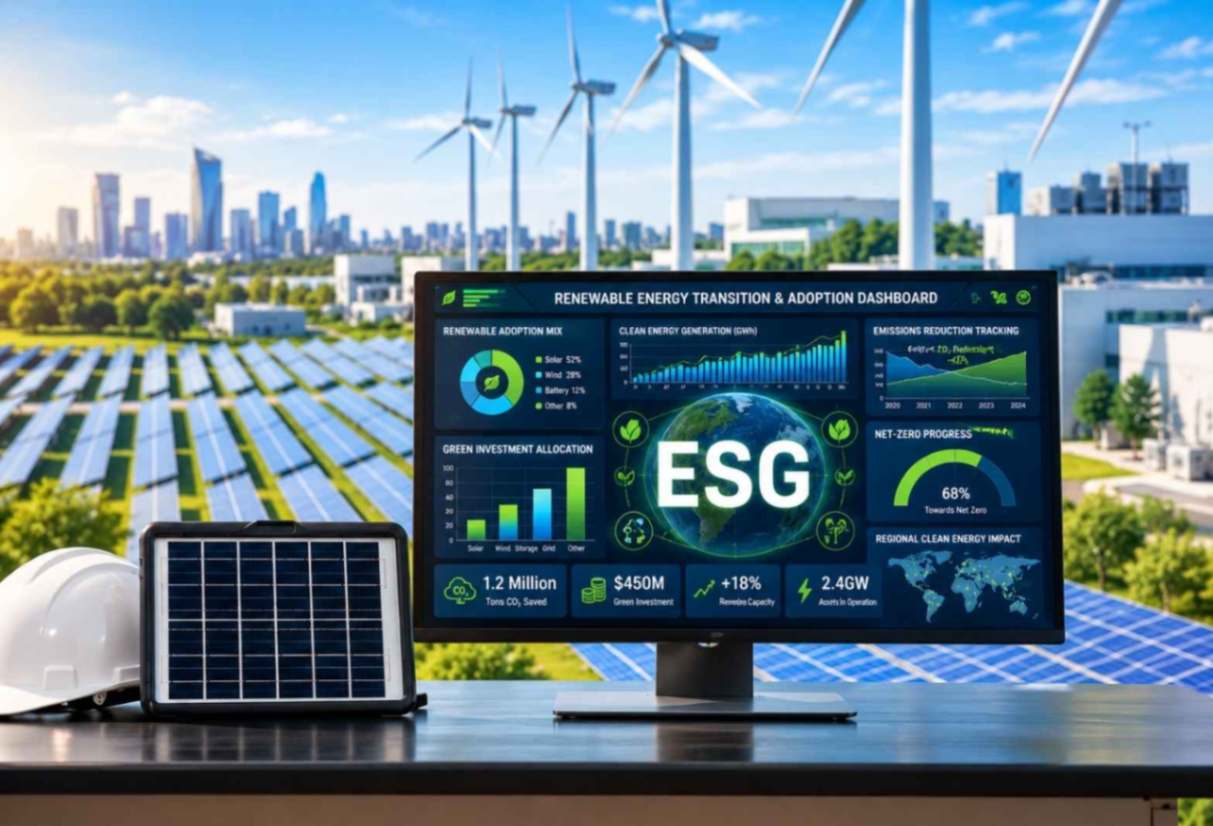
A solar project can support more than a company’s electricity needs. For C&I teams working on ESG reporting or an RE100 target, it can also become part of a wider system for measuring renewable electricity and emissions.
The challenge is knowing what the solar data actually proves. Installed capacity alone doesn’t show how much electricity a facility uses, how much it buys from the grid, or how a renewable-electricity claim should be reported.
Here’how RE100, Scope 2 accounting and ESG reporting connect, and what Indian C&I companies should track before using solar data in a formal disclosure.
RE100 and ESG reporting have different roles. RE100 is a corporate renewable-electricity initiative with technical criteria for how participating companies can source and claim renewable electricity. ESG reporting is broader and can cover emissions, energy and many other environmental, social and governance measures. RE100 also has separate guidance for member reporting and sustainability reporting standards.
Solar can support both, but the two shouldn’t be treated as the same target. A rooftop solar system may generate renewable electricity, while the company’s ESG report may need wider information about total energy use and greenhouse-gas emissions.
For a C&I company, the useful question isn’t only how much solar capacity has been installed. It’s how that generation fits the company’s electricity use, corporate sustainability goals, and the reporting framework it follows, including relevant renewable energy compliance requirements.
Scope 2 covers indirect greenhouse-gas emissions from purchased or acquired electricity, steam, heat and cooling. The GHG Protocol Scope 2 framework uses both location-based and market-based methods. The location-based method reflects average grid emissions where electricity is consumed, while the market-based method uses qualifying contractual information about purchased electricity and can support Scope 2 emissions reduction reporting.
That distinction matters for a solar project. On-site generation can change how much electricity a facility purchases from the grid. For market-based reporting, contractual instruments must also meet the relevant quality requirements, including requirements that may involve renewable energy certificates.
So the reporting chain should be clear: measure electricity consumption, record solar generation, identify purchased electricity, and apply the method required by the reporting framework. This keeps the solar project connected to the emissions inventory instead of treating it as a separate corporate sustainability figure.
The GHG Protocol is currently working through proposed changes to Scope 2 guidance. The proposals include stricter rules around hourly matching and deliverability, but they’re still proposals and should not be treated as current reporting requirements.
Reliable energy records give sustainability and finance teams a clearer basis for disclosure. For each reporting period, the company should be able to identify:
(i) Total electricity consumed
(ii) Solar electricity generated
(iii) Solar electricity used on-site
(iv) Electricity purchased from the grid
(v) Other renewable electricity procured
(vi) Relevant contracts or energy attribute certificates
(vii) Metering and supporting records
Energy attribute certificates are instruments that carry the renewable attributes linked to eligible electricity generation. Where they’re used, the company needs to understand how those attributes support the claim it’s making.
This data also matters for applicable Indian reporting requirements. SEBI’s BRSR Core framework includes Scope 1 and Scope 2 greenhouse-gas emissions among its core metrics. The current framework also provides for assessment or assurance of BRSR Core, depending on the applicable requirements.
Not by itself.
RE100’s March 2025 Technical Criteria recognise self-generation as a renewable-electricity procurement route. However, installing a rooftop solar system doesn’t automatically mean a company has reached 100% renewable electricity use.
The key measure is the relationship between renewable electricity and the company’s total electricity consumption. The company also needs to follow RE100’s rules for the relevant renewable attributes and claims.
Consider a simple example. A 2 MWp rooftop system tells you the installed capacity. It doesn’t tell you what share of the facility’s annual electricity demand that system supplies. Capacity and renewable-electricity consumption are related, but they’re not interchangeable.
That distinction helps C&I teams avoid making a renewable-energy claim based only on project size and gives them a clearer basis for corporate sustainability reporting.
India adds another practical layer: the procurement route.
A company may use on-site solar, captive arrangements or Green Energy Open Access, depending on its site, electricity needs and applicable rules. Under India’s Green Energy Open Access Rules, consumers with contracted demand or sanctioned load of 100 kW or more, including qualifying aggregation across connections in the same electricity division, can access Green Energy Open Access. Captive consumers have no load limit under the rule.
For a company evaluating this route, eligibility is only the starting point. The renewable energy procurement arrangement, metering, electricity consumption and reporting method still need to be aligned.
The same principle applies to ESG reporting. RE100, GHG Protocol and SEBI address different parts of the reporting and renewable-electricity picture. Meeting one framework doesn’t automatically mean every requirement under another framework has been met. The approach should also fit the company’s corporate ESG strategy and wider carbon reduction strategies.
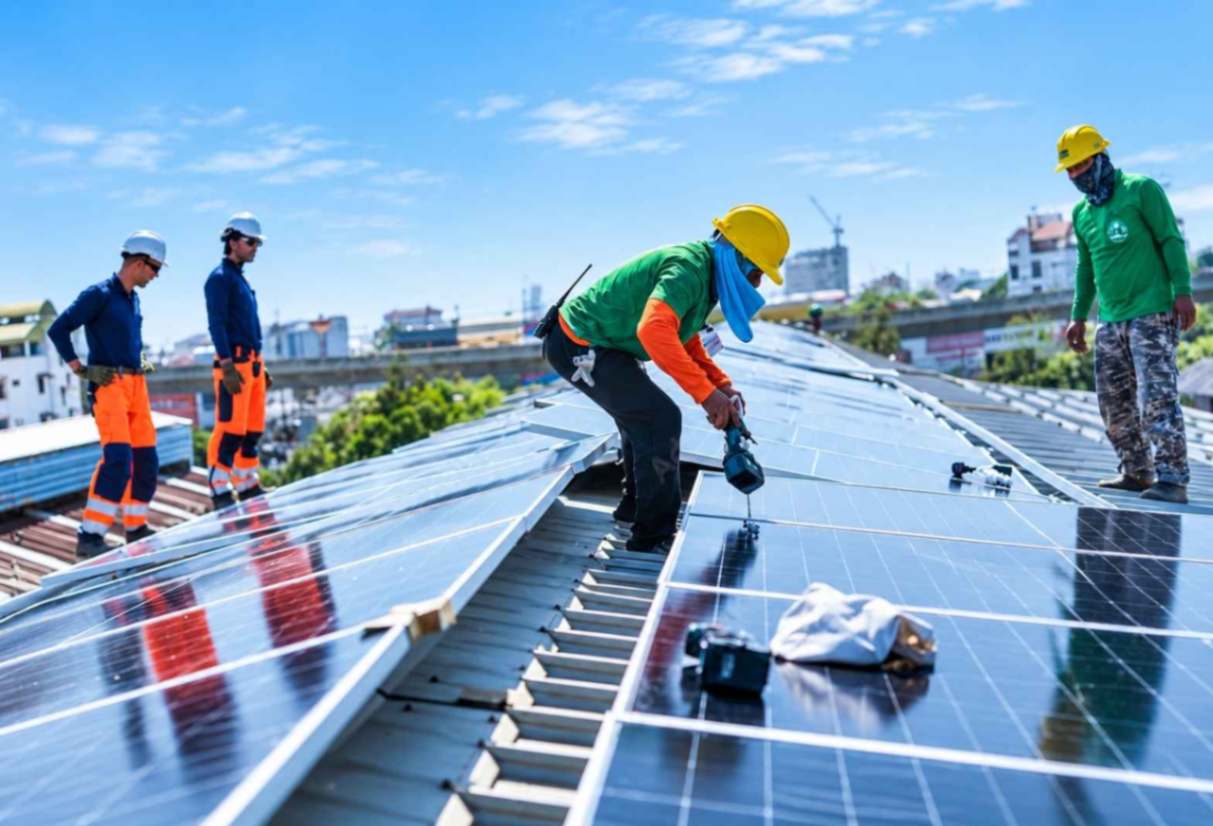
Enerparc implemented a 1.88 MWp rooftop solar solution for BFW in Bengaluru, Karnataka. The project is an example of on-site solar deployed at an industrial facility.
For ESG reporting, the useful lesson isn’t the system size alone. The project-level generation data needs to be viewed alongside the facility’s electricity consumption and the company’s chosen reporting method. That connection is what turns a solar project figure into useful reporting information.
A stronger solar strategy starts with the question the company needs its data to answer. Define electricity demand, understand the reporting framework, select a suitable renewable-electricity route, and plan the data trail from the start.
For C&I companies, that approach can make solar energy for businesses part of a measurable clean-energy strategy rather than a standalone capacity figure. It also creates a clearer basis for tracking progress, supporting credible disclosures and planning the next stage of the clean-energy transition as energy demand and reporting expectations change with business needs.
ESG reporting means sharing information about how your company manages environmental, social and governance issues. For a C&I company, this can include energy use, greenhouse-gas emissions, renewable electricity and other sustainability measures. The information helps stakeholders understand your company’s sustainability performance and related risks.
Scope 1 covers direct greenhouse-gas emissions from sources your company owns or controls, such as fuel burned in company vehicles or equipment. Scope 2 covers indirect emissions from purchased or acquired electricity, steam, heating or cooling. For C&I companies, solar can help reduce purchased electricity and related Scope 2 emissions.
The SEBI BRSR framework is India’s reporting framework for listed companies to disclose business responsibility and sustainability information. BRSR Core is a focused set of ESG metrics covering nine attributes. Its framework includes measures such as greenhouse-gas emissions and provides a basis for assessment or assurance.
Green Energy Open Access lets eligible electricity consumers buy renewable power through the open access system instead of relying only on their local electricity supply arrangement. In India, consumers with contracted demand or sanctioned load of 100 kW or more can qualify, while captive consumers have no load limit.
RE100 members are companies that have committed to using 100% renewable electricity. The current RE100 member list includes more than 400 companies across industries and countries. Examples include Apple, Google, Infosys, Ashok Leyland and Shree Cement. The official member list provides each company’s joining year and target year for its RE100 renewable energy commitment.