


let’s preserve the environment by using solar panels
Contact Us 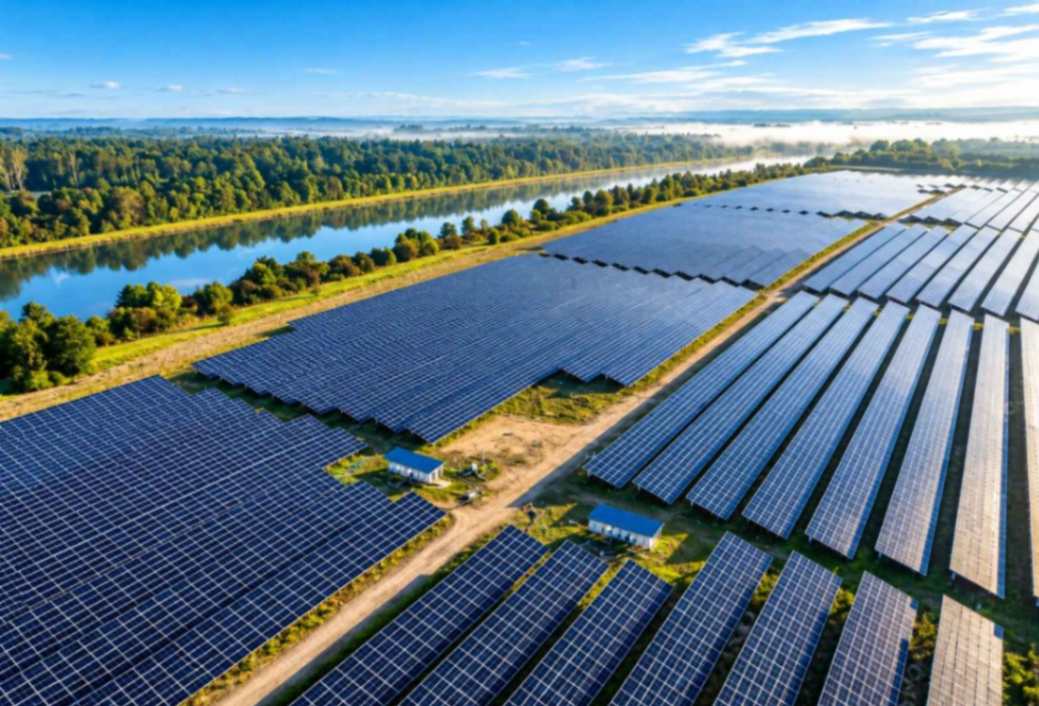
A ground-mounted solar power plant can offer a practical route to large-scale clean power, but choosing the right project site takes more than checking available acreage. For a commercial or industrial buyer, the key questions are different: Is the land usable? Can the plant connect to the grid efficiently? What will power cost after applicable open-access charges? And what does the quoted project cost actually include?
India had 168.04 GW of installed solar capacity as of 31 August 2026, including 123.99 GW of ground-mounted solar, according to MNRE. That makes ground-mounted projects a major part of India’s solar build-out.
For a new project, however, the right starting point is a clear review of site conditions, grid access, delivered power cost and upfront capital expenditure.
The right site balances usable land, physical conditions and grid access. These checks can shape both project design and cost, so they should happen before a parcel is treated as project-ready.
The Central Electricity Authority says land requirements for large ground-mounted solar in India have fallen from more than 5 acres/MW to about 4 acres/MW of usable land with higher-wattage modules.
This is a planning reference, not a fixed rule. Actual land needs can change with module selection, mounting design, internal roads, drainage and setbacks. A large parcel may therefore provide less usable area than its total size suggests.
A solar site selection review should cover slope, soil, drainage, shading and access for construction and maintenance. Land availability and legal land-transfer issues also need attention. These factors can affect civil work, layout and development effort before panels are installed. The aim is to confirm that the land can support the planned solar design, not simply that it has enough area.
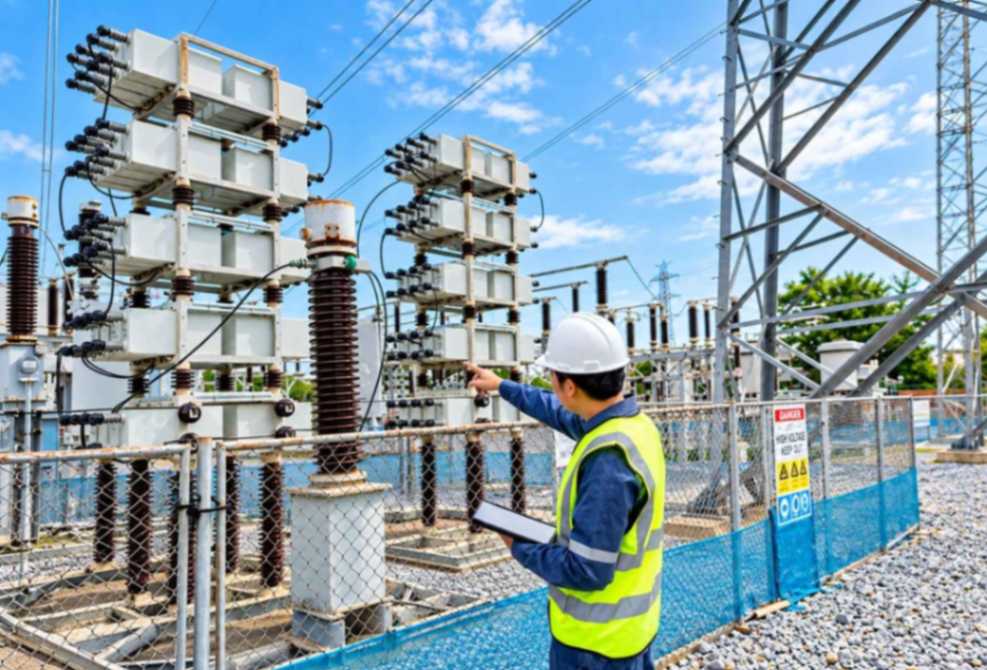
The practical interconnection point matters as much as the distance to a substation. Evacuation infrastructure moves generated electricity from the plant to the grid connection point, and its scope can affect project economics and solar power plant cost per MW.
Mercom reported that limited transmission infrastructure and delays in connectivity approvals slowed the commissioning of solar open-access projects in Q1 2025. This highlights why grid connectivity should be assessed alongside land availability when evaluating a solar site.
Enerparc’s portfolio shows how projects can vary by site and scale. It includes a 7.85 MWp project at Delhi International Airport, a 3.3 MWp ground-mount project in Karnataka and a 37 MWp ground-mount project in Assam. The airport project used glare analysis and seasonal tilt.
For a commercial or industrial consumer, a ground-mounted solar system can be located away from the facility and supply power through solar open access in India, subject to applicable rules and technical requirements. That means the generation tariff is only one part of the comparison. The more useful measure is the delivered or landed power cost after applicable charges.
Green Energy Open Access is available to consumers with contract demand or sanctioned load of 100 kW or more, through a single connection or multiple connections aggregating to that level in the same electricity division. Captive consumers have no load limit under the current framework. This can widen the options available to businesses assessing off-site solar procurement.
The Ministry of Power identifies transmission charges, wheeling charges, cross-subsidy surcharge and standby charges within the Green Energy Open Access framework. Banking and other applicable charges also need to be checked under the relevant regulations. These costs can differ by project and state, including projects involving group captive solar in India.
So, comparing a solar generation tariff directly with a conventional electricity tariff can give an incomplete picture. Review the expected landed power cost under the applicable state rules instead.
There’s no single India-wide project price that fits every site. One 2026 industry cost guide estimates ground-mounted solar projects in India at roughly ₹3.5–6 crore/MW, but this should be treated as an indicative market estimate, not an authoritative universal benchmark. Location, project design, equipment, civil work, grid connection and the scope of the quotation can all change the final figure.
A useful ₹/MW benchmark should state what it covers. Ask whether the figure includes land, land development, modules, mounting structures, inverters, civil and electrical works, evacuation, grid interconnection, financing and taxes. Without that scope, two proposals with the same capacity can have very different total project costs.
Recent market data also shows why the date matters. Mercom reported that average large-scale solar project costs increased 3% quarter-over-quarter and 1% year-over-year in Q1 2025. That’s a dated market indicator, not a 2026 project quote, but it shows why older cost figures shouldn’t be treated as current solar project cost benchmarks.
A CERC order for an 8 MW ground-mounted solar project at DVC Panchet in West Bengal records a normative capital cost of ₹571.17 lakh/MW for that specific regulatory case. The figure demonstrates why project-specific regulatory costs should not be converted into a universal market price.
Before moving to detailed engineering or commercial commitments, use a short pre-feasibility check. Confirm that the usable land matches the planned capacity and that slope, soil, drainage, shading and access suit the design. Identify the practical grid connection and the evacuation work required.
For open access, check the current state rules and applicable transmission, wheeling, surcharge, banking and other charges. Finally, review the CAPEX schedule line by line and confirm what the quoted ₹/MW figure includes. This approach turns a broad solar opportunity into a defined project review. It also gives commercial, finance and technical teams a common basis for comparing sites and proposals.
A ground-mounted solar power plant should be assessed as one connected project, not as separate land, equipment and tariff decisions. The strongest early review brings together usable land, physical site conditions, grid connectivity, open-access costs and clearly defined capital expenditure.
With those inputs established, businesses can move toward detailed design and commercial evaluation with a clearer view of what the project requires and how its economics should be tested. Enerparc brings this site-specific approach to projects across different locations and scales.
For a 1 MW ground-mounted solar project, around 4 acres of usable land is a useful planning benchmark. Higher-wattage modules have reduced land requirements for solar plant. Your actual requirement can be higher based on layout, roads, drainage, setbacks and mounting design.
There’s no fixed solar power project cost. Published 2026 industry estimates commonly put ground-mounted solar at about ₹3.5–6 crore per MW, but treat this as an indicative range. Your final ground-mounted solar cost in India can change with location, equipment, civil work, grid connection and project scope.
There isn’t one single planning permission that applies across India. Your project may need land-related approvals, local permissions, grid connectivity approval and other clearances based on its location and structure. State and local rules matter, so check the required approvals before finalising the site.
Power evacuation means moving the electricity generated by your solar plant to the grid connection point. It can involve electrical equipment and transmission infrastructure between the plant and the grid. The required setup depends on the project’s location, capacity and approved connection arrangement.
First, identify the suitable grid connection point and apply through the applicable transmission or distribution process. The plant must meet CEA technical standards before interconnection. The process can include connectivity approval, system studies, metering, protection and compliance checks before the plant starts supplying power.