
let’s preserve the environment by using solar panels
Contact Us 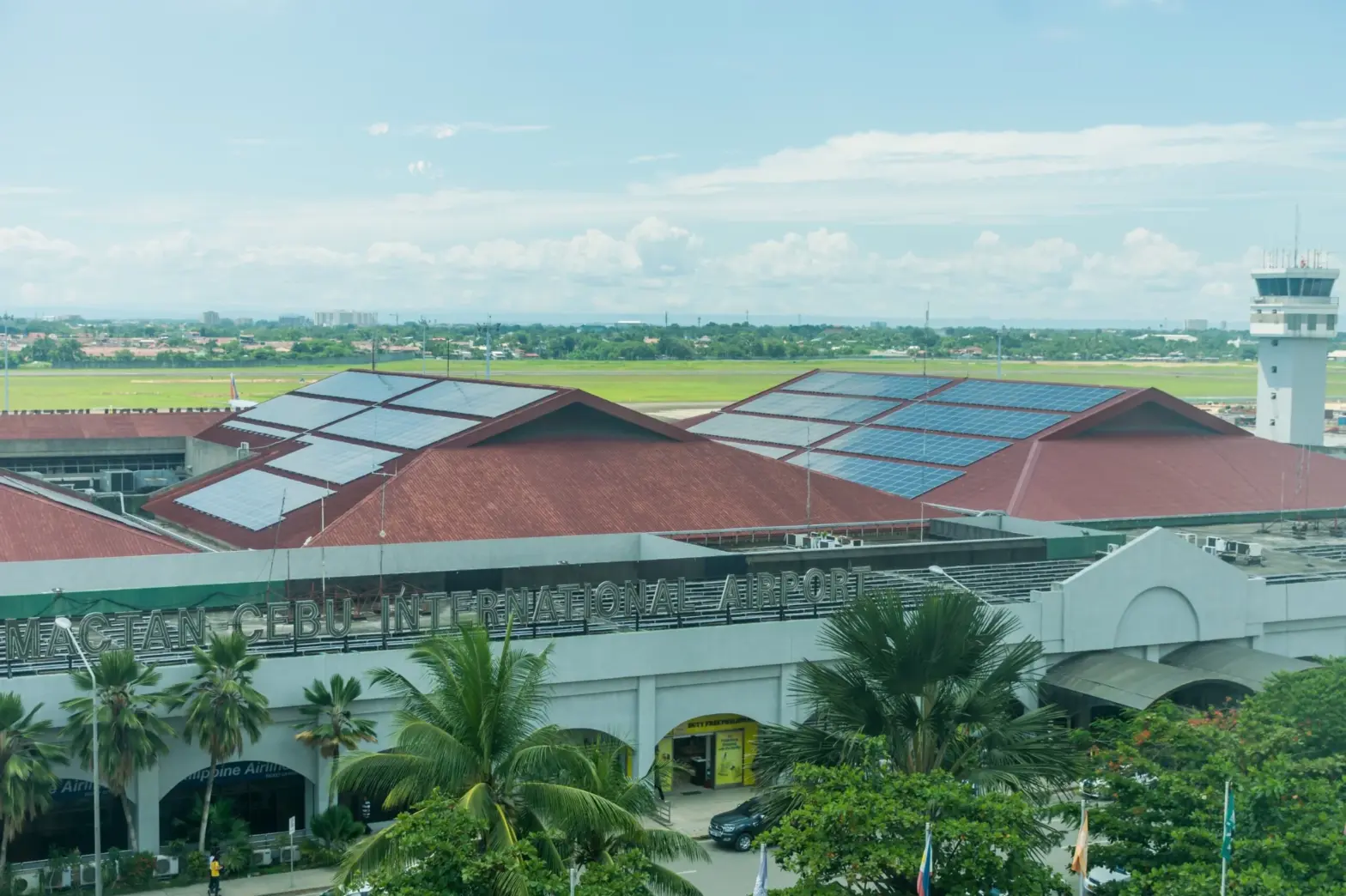
Ground mount solar offers higher efficiency and easier maintenance through adjustable panel angles, making it ideal for properties with open land and energy-intensive industries. Rooftop solar is more cost-effective, space-efficient, and faster to approve, making it perfect for urban and commercial buildings with limited ground space. The right choice comes down to your space availability, budget, and energy needs: ground mount for scalability and efficiency, rooftop for affordability and space optimization.
As the world transitions to renewable energy, businesses and homeowners face a crucial decision: ground mount or rooftop solar? Both have advantages and challenges, and the right choice depends on space, budget, and energy needs. This guide explores the key differences, pros and cons, and how Enerparc can help you decide.
– Ground mount solar is ideal for properties with open land and offers higher efficiency due to adjustable panel angles.
– Rooftop solar is more cost-effective as it uses existing building structures and requires no extra land.
– Ground-mounted systems are easier to maintain and can be expanded easily, making them suitable for large-scale industrial energy needs.
– Rooftop solar is space-efficient, ideal for urban and commercial buildings like IT parks, hospitals, and retail spaces.
– The best choice depends on space availability, budget, and energy requirements — ground mount for scalability and efficiency, rooftop for affordability and space optimization.
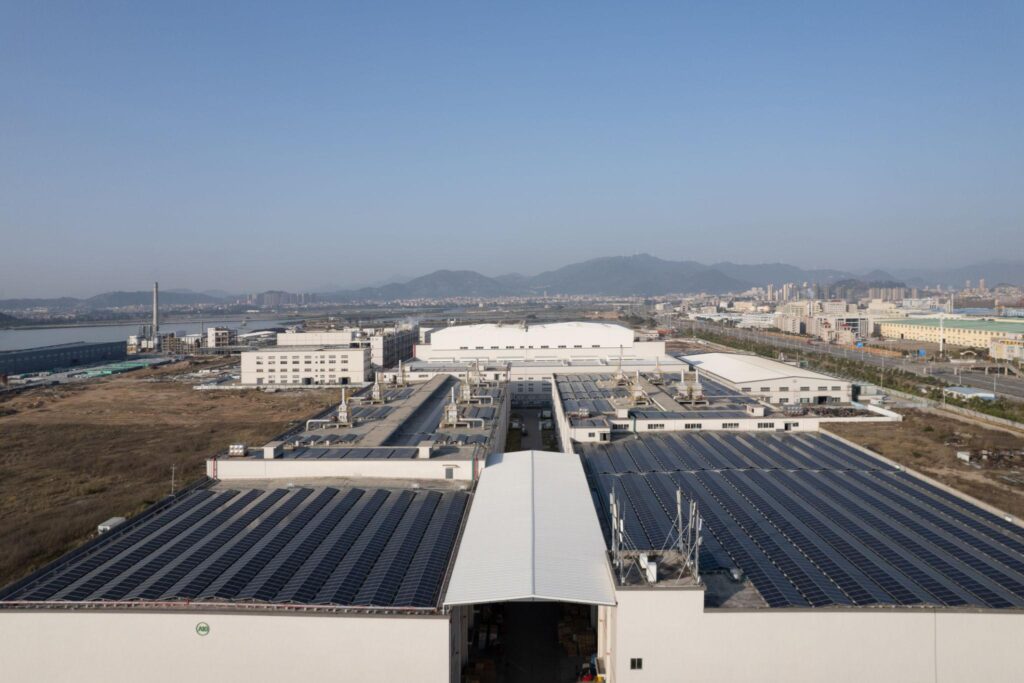
Before diving into the details, let’s define the two solar installation types:
What is Ground Mount Solar?
Ground mount solar involves solar power panels mounted on the ground, typically using metal frames or racking systems. These installations are ideal for properties with ample open land, making them a preferred choice for industries like pharmaceuticals, automotive, data centers, and large-scale manufacturing where high energy consumption requires scalable renewable energy solutions.
What is Rooftop Solar?
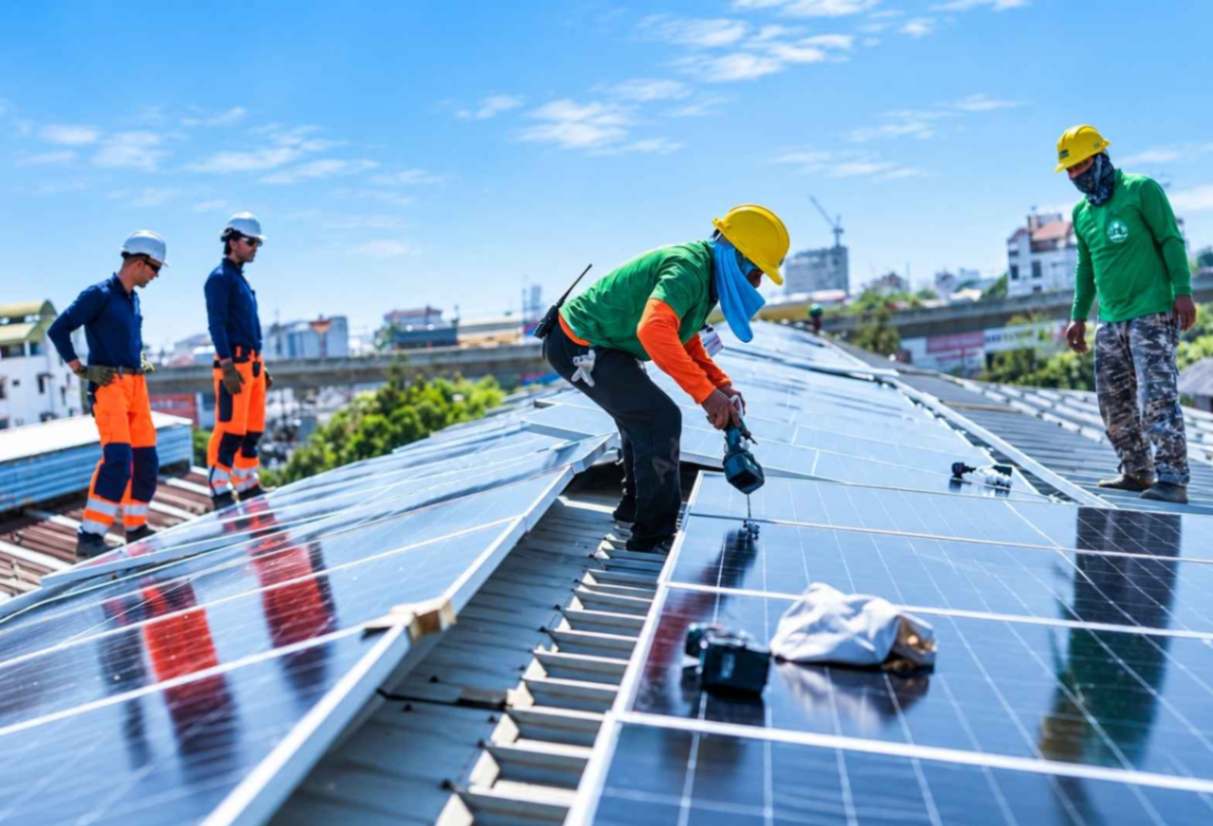
A rooftop solar power system consists of roof-mounted solar panels installed directly onto the existing structure of a building. This option is widely used for residential and commercial properties where roof space is available, making it an excellent solution for industries like retail, corporate offices, hospitals, and educational institutions that have large rooftops but limited ground space.
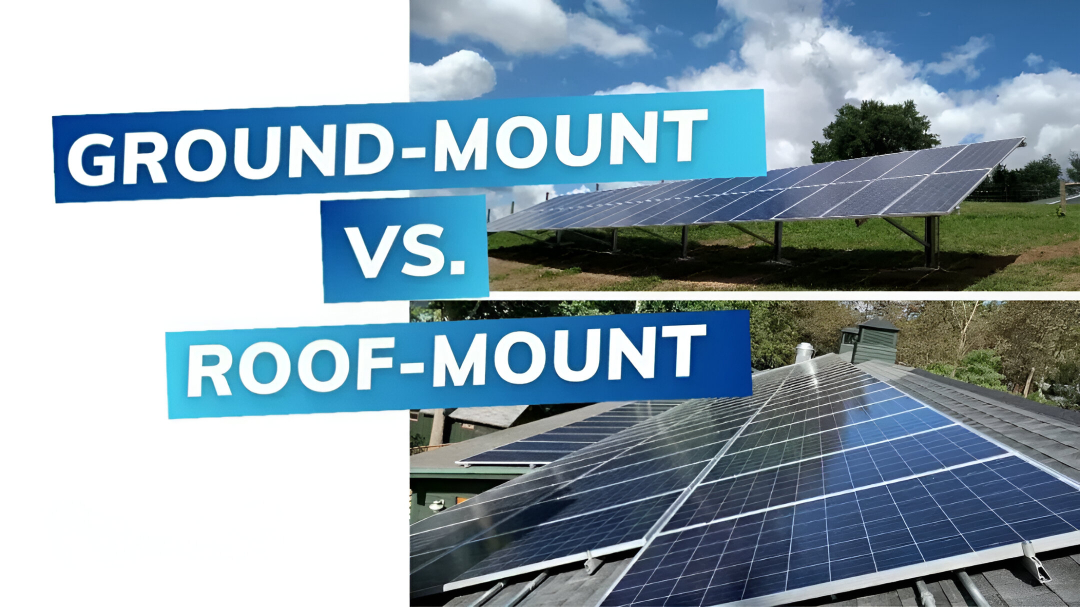
Space and Setup
• Ground Mount Solar: Requires a dedicated plot of land but offers flexibility in panel orientation for maximum efficiency.
• Rooftop Solar System: Utilizes unused roof space but is constrained by roof size, shape, and orientation.
Energy Output and Efficiency
• Ground mount solar panels can be adjusted for the optimal tilt and direction, often leading to higher energy output. This is particularly beneficial for manufacturing plants and data centers, where consistent power generation is essential.
• Best rooftop solar panels are dependent on the roof’s angle and shading, which might limit performance compared to ground-mounted options. However, for automotive assembly lines and pharma labs, rooftop solar helps reduce dependency on grid power and cut operational costs.
Cost of Installation
• Ground mount installations generally have higher upfront costs due to additional infrastructure like mounting structures and trenching for wiring.
• Rooftop solar systems are usually more cost-effective since they leverage existing structures, making them suitable for businesses like IT parks and shopping malls, where reducing capital expenditure is a priority.
Maintenance Access
• Advantages of ground-mounted solar panels include easier access for maintenance and cooling benefits, which enhance longevity.
• Rooftop panels are harder to clean and maintain, especially on sloped roofs, which could be a concern for pharma and food industries requiring strict operational efficiency.
Visual and Land Impact
• Rooftop solar panels are discreet and space-efficient, making them ideal for urban areas and high-rise buildings.
• Ground-mounted solar may require land clearance, impacting landscape aesthetics, but is preferable for industries with dedicated land, such as logistics parks and warehouses.
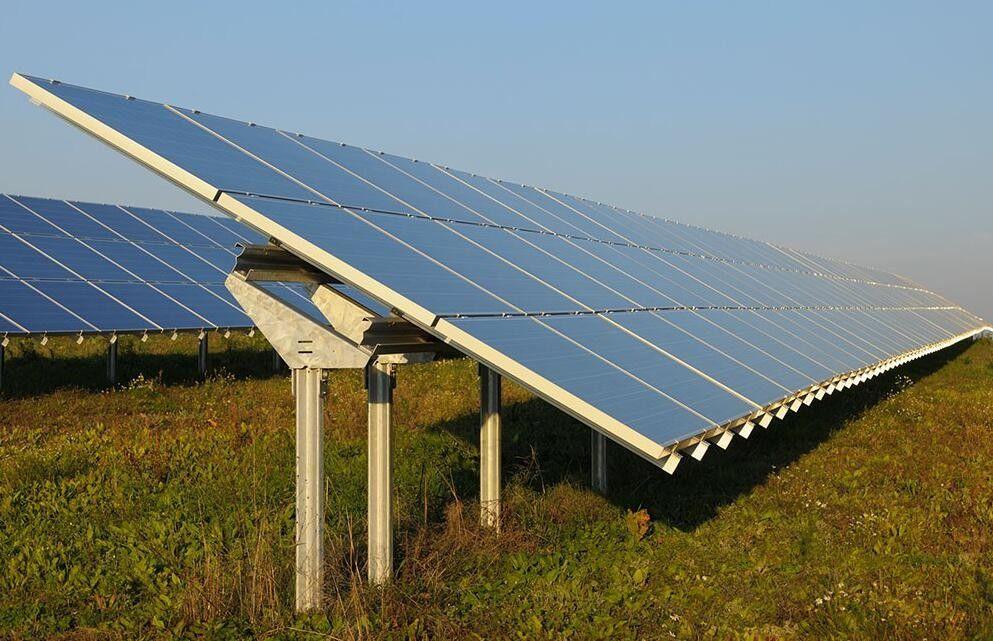
Choosing solar panels mounted on the ground can be beneficial in several ways:
• Better Efficiency: Adjustable angles and fewer shading issues boost power generation.
• Scalability: Easier to expand the system compared to rooftop setups, making it ideal for energy-intensive sectors like steel, cement, and textile manufacturing.
• Cooling Advantage: Panels operate more efficiently with better airflow.
• Less Structural Load: No added weight or strain on building structures, which is critical for older factories and heritage buildings.
Read More: 9 Key Factors Before Installing Ground Mount Solar Panels
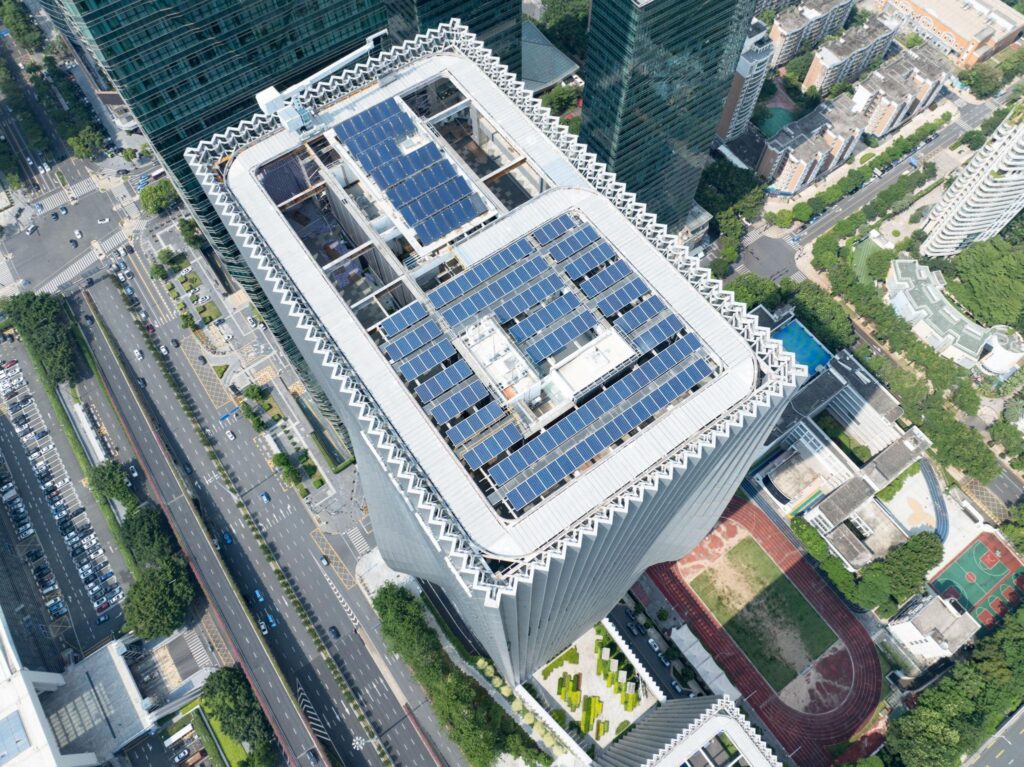
A rooftop solar power plant offers:
• Space Optimization: No need for extra land, making it perfect for urban locations and industries like corporate offices, IT firms, and hospitals.
• Lower Installation Costs: No need for separate mounting structures, reducing initial investment.
• Regulatory Benefits: Faster approvals and fewer zoning restrictions compared to ground-mounted setups.
• Net Metering Opportunities: Reduce electricity bills by feeding surplus energy back to the grid, a great advantage for retail chains and educational institutions.
| Factor | Ground Mount Solar | Rooftop Solar System |
|---|---|---|
| Available Space | Requires open land | Utilizes existing roof space |
| Efficiency | Higher due to adjustable angles | Dependent on roof orientation and shading |
| Installation Cost | Higher due to mounting and groundwork | More affordable, uses existing structure |
| Maintenance | Easier access | Harder to reach and clean |
| Scalability | Easily expandable | Limited by roof size |
| Aesthetics | Visible from a distance | Blends with existing structure |
If you have ample land and want maximum efficiency, ground-mounted solar may be ideal. If you prefer cost-effectiveness and limited land use, rooftop solar is a great choice.
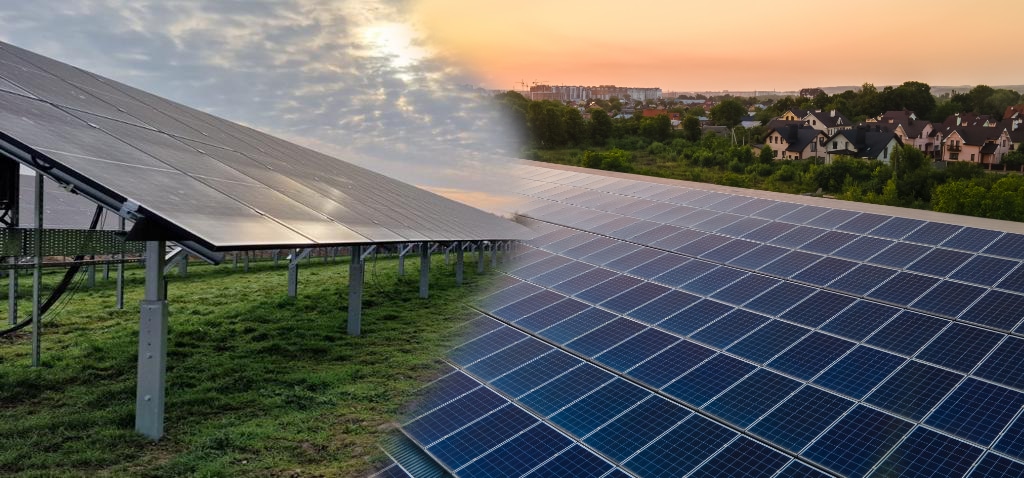
At Enerparc Energy, we tailor each solar solution to your property type, usage, and long-term goals. With over 4.7GW of global solar installations, our team brings industry-specific insights to every project.
Our Expertise Includes:
• Pharmaceuticals & Healthcare: Reliable, uninterrupted power for production and research labs.
• Automotive & Manufacturing: Large-scale energy solutions for production lines.
• Data Centers & IT Parks: High-efficiency solar to reduce operational costs and carbon footprint.
• Retail & Commercial Spaces: Cost-effective rooftop installations for sustainable business operations.
• Warehousing & Logistics: Scalable solutions to power extensive facilities.
• Customized Solar Solutions for businesses of all sizes.
• Expert Consultation to assess your property’s feasibility.
• High-Quality Installations with cutting-edge technology.
• End-to-End Services, from design to maintenance.
Whether you’re leaning towards ground mount solar or rooftop solar systems, our team will help you make a confident, cost-effective decision.
Get in touch with Enerparc Energy today to schedule a personalized solar consultation.
Ground mount systems can be oriented at the optimal angle and direction for maximum sunlight, which often leads to higher energy generation compared to rooftop setups that are limited by roof design.
Ground mount systems are generally easier to access for cleaning and maintenance since they’re installed at ground level. Rooftop systems may require safety equipment and access arrangements.
Rooftop solar can be installed on most types of roofs, including metal, concrete, and tiled roofs. However, the roof must be structurally strong and in good condition before installation.
Rooftop solar systems are usually quicker to install since they do not require land preparation. Ground mount systems may take longer due to civil work, foundation setting, and trenching.
A professional installer will assess the roof’s strength before installation. If the roof is structurally sound, the system will not negatively affect the building and in some cases, it can even help reduce heat absorption.