
let’s preserve the environment by using solar panels
Contact Us 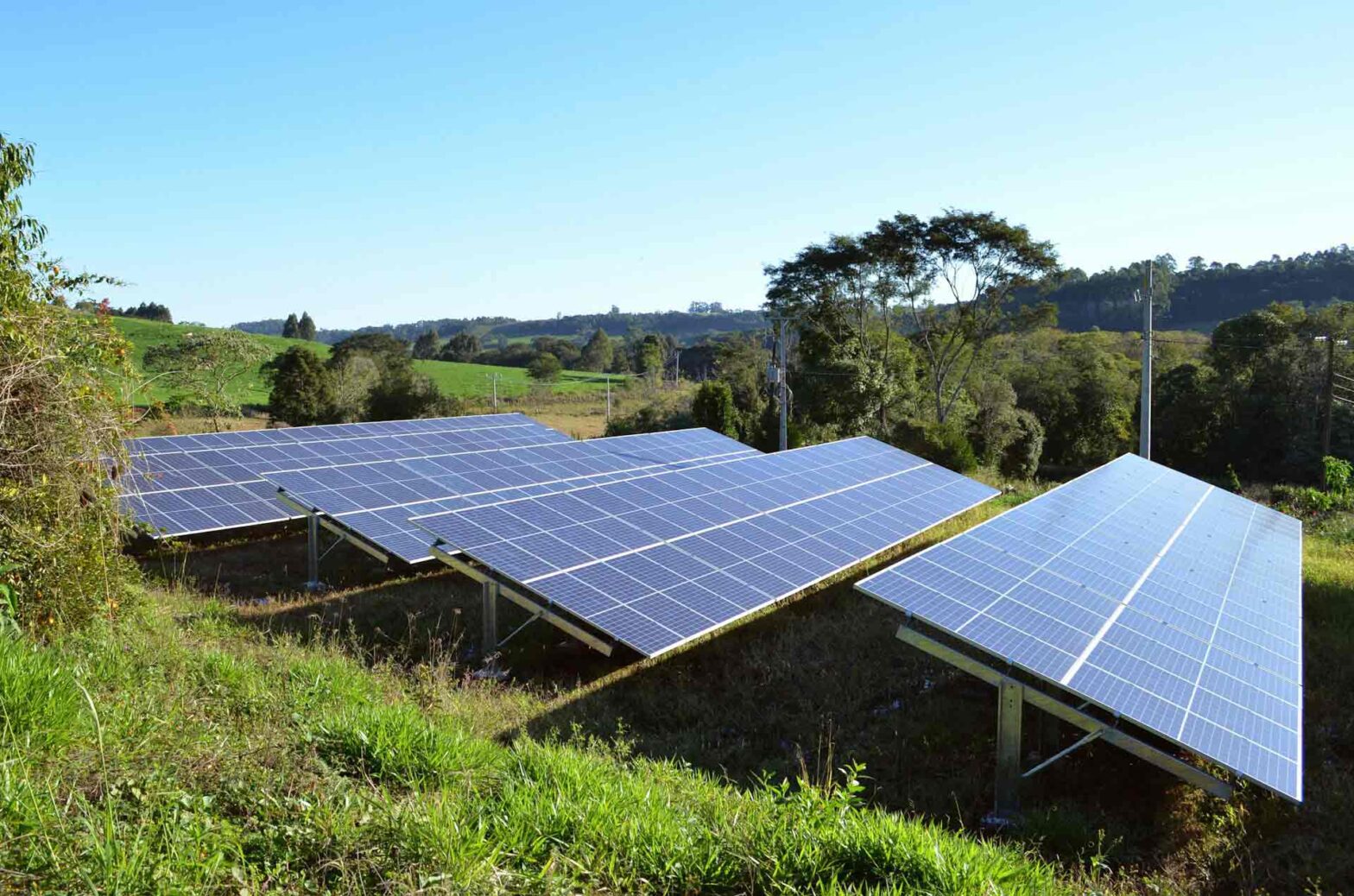
Before investing in a ground mount solar system, evaluate nine critical factors: land availability, soil quality, solar orientation, regulatory approvals, system design, cost, grid connection, maintenance access, and environmental impact. Get these right and you’ll secure 25+ years of reliable, low-cost power with a 4–6 year payback. Skip the planning and you risk costly delays, structural failures, or underperformance.
Tired of skyrocketing electricity bills? The solution could be your unused land. As of May 2026, India’s cumulative solar capacity reached 157.05 GW, with 118.79 GW from ground-mounted projects making ground mount the largest form of solar installation in the country. Here are the nine key factors to consider before making this large investment.
– Check your land first: Ground mount solar needs enough open space, minimal shading, and good long-term usability for 25+ years.
– Soil quality matters: Soil type decides the right foundation (piles, ground screws, or concrete) to handle monsoons and strong winds for a reliable ground mount solar structure.
– Maximise solar output: Correct tilt angle, south-facing orientation, and shading analysis help increase generation across seasons.
– Understand cost + approvals: Budget for structure, cabling, grid connection, and ensure permits (panchayat/municipal, land use, SEB approvals) are in place for ground mount solar installation.
– Plan maintenance & land use: Easy access for cleaning, vegetation control, and security improves performance and protects your investment.
Also Read: The Ultimate Guide to Ground Mount Solar Systems
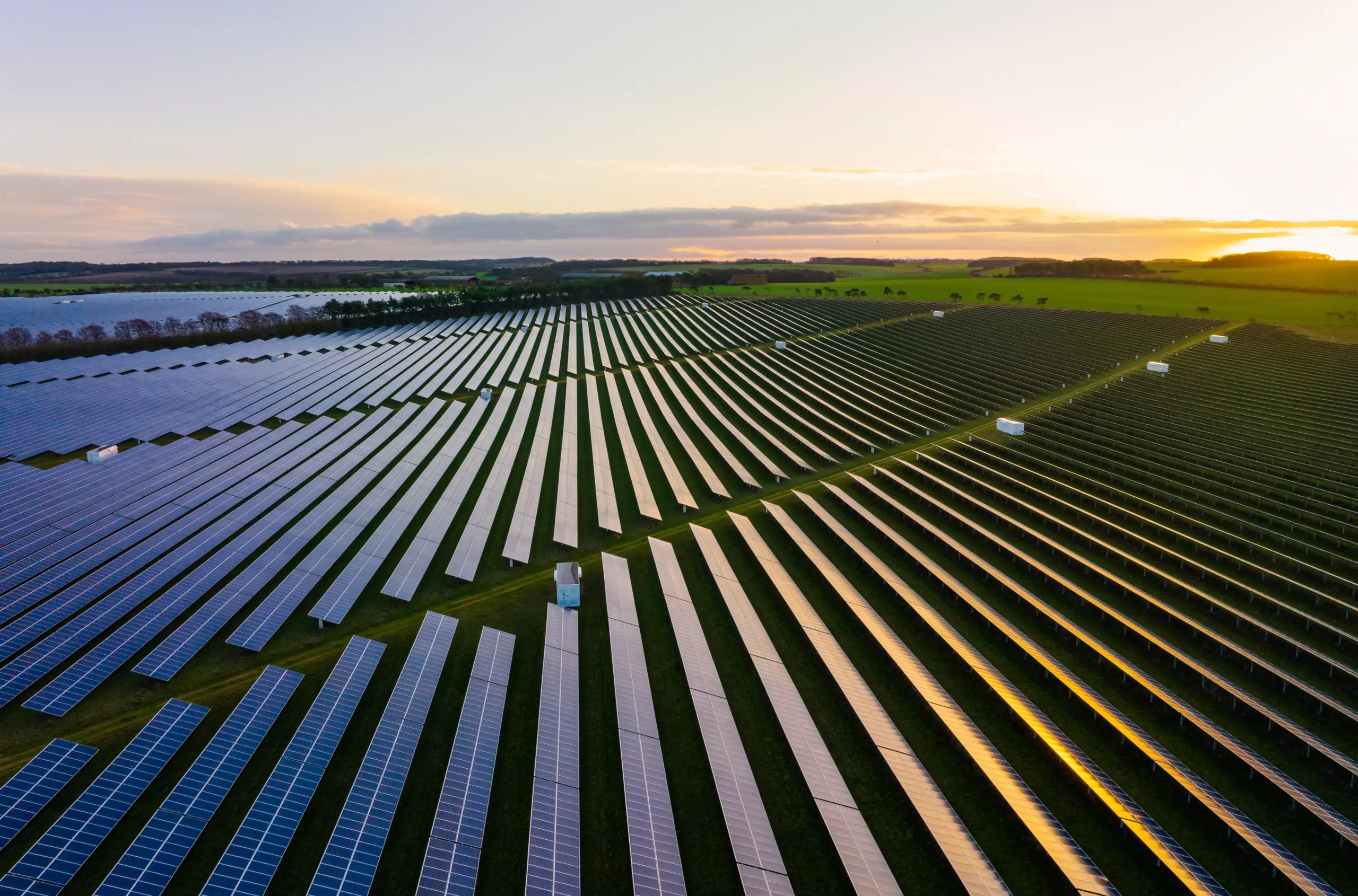
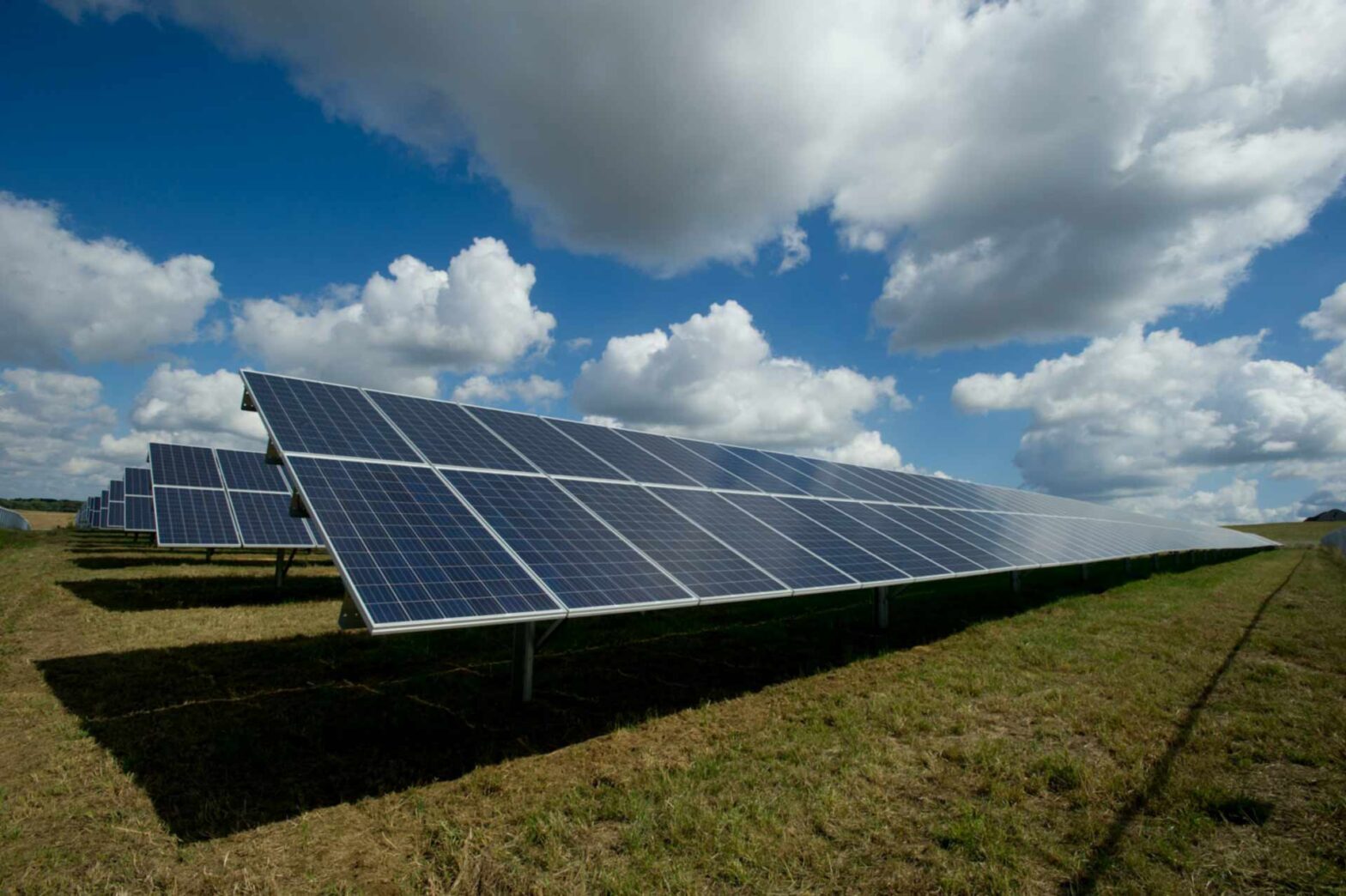
For those who contemplate investing in a ground mounted solar system in India, evaluate the available land carefully before taking the plunge. These systems require a lot of open space with little to no shading, unlike rooftop systems. For a system of 5 kW, an unobstructed area of about 30 to 40 square meters will be required.
The quality of your land matters as well. However, flat terrain is preferable, although modern mounting panels will accommodate slight slopes. Keep in mind that once this part of your property is installed, this will be used to generate renewable energy for 25+ years. So, plan for your long-term land use as carefully as you can for a successful ground mount solar project.
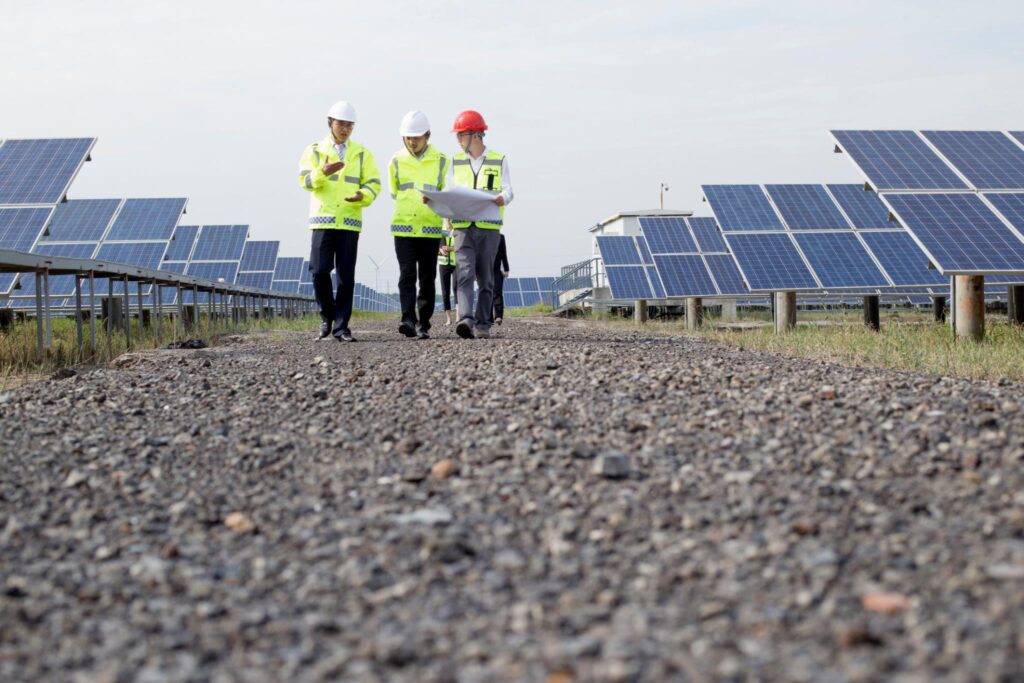
The soil conditions have a very important role in the stability of your ground mounted solar structure. Soil composition determines which foundation approach to use.
• Rocky soil: May require concrete foundations
• Sandy soil: Might need deeper piles or ground screws
• Clay soil: Could require special consideration for seasonal expansion/contraction
Professional soil testing prior to installation helps determine the most appropriate foundation method. This ensures your system stays stable during monsoons, high winds and other weather conditions that are typical in India.
Optimal positioning is a big advantage of ground mount solar system over rooftop installations. South-facing solar panels generate maximum energy in India, but your location is the deciding factor.
• Northern India: 25-30° tilt angle, south-facing
• Central India: 20-28° tilt angle, south-facing
• Southern India: 14-21° tilt angle, south-facing
A professional site assessment will also identify potential shading issues from trees, buildings or other structures that may affect generation and help maximise solar power generation throughout the year.
Also Read: Module Mounting Structures for Ground Mount Solar Installations
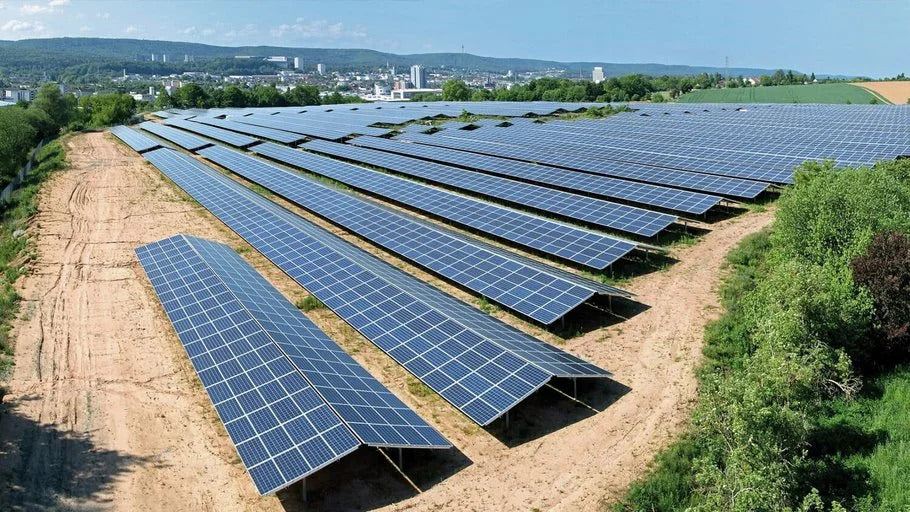
To install a ground mount solar system, you have to go through a number of regulations and get the required approvals from different authorities to make sure it is legal to operate and avoid costly penalties and delays in the project phases. This includes:
• Local panchayat or municipal approvals
• Land use permissions (especially important for agricultural land)
• Grid connection permits from your state electricity board
• Environmental clearances in certain areas
However, approval by states may vary as well, so it is a good practice to work with experienced solar providers, such as Enerparc, who can fill out paperwork quickly and correctly to guide you through the approval process.
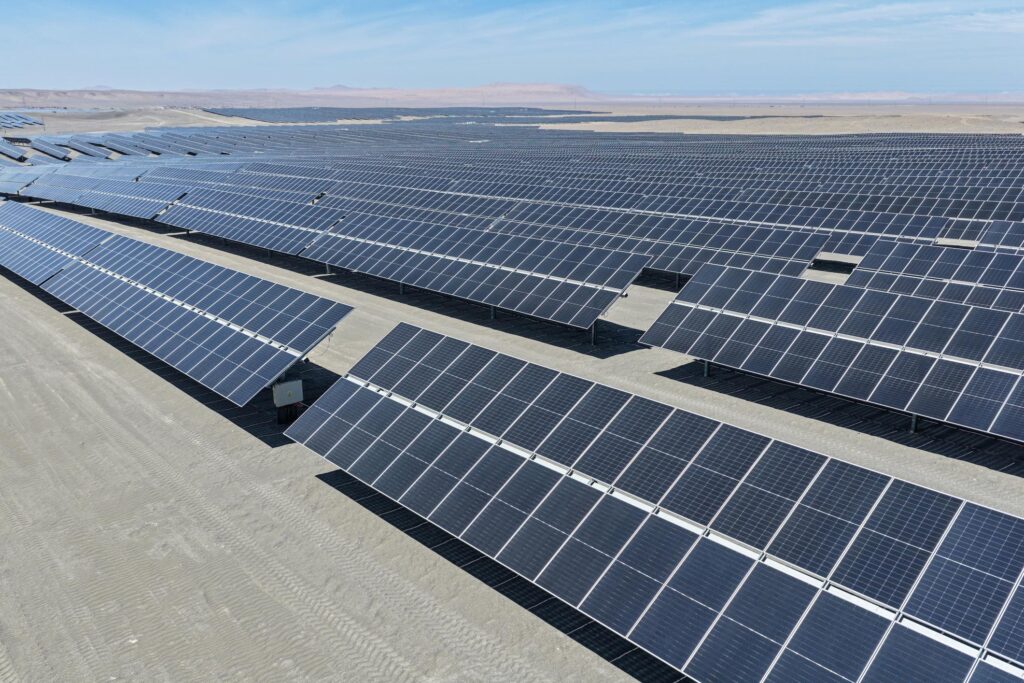
Optimal selection of components, spatial positioning and technical properties were determined by engineering specifications to obtain the highest possible harness of energy while ensuring both structural containment and aesthetic integration of its features into present architectural characteristics through an effective solar ground mounting system design. There are different configurations for ground mounted solar projects:
• Fixed-tilt systems: Most common and cost-effective
• Seasonal-tilt systems: Provide manual adjustability for the greatest seasonal sun angles
• Single-axis trackers: Boost the power output by 30-35% with the help of east-to-west movement tracking
• Dual-axis trackers: Follow both daily and seasonal sun movements, maximising output but at a higher cost
This decision will depend on your budget, energy needs, and the space you can offer. If you want to, Enerparc’s technical team can assist you in deciding which configuration will best return your investment in terms of your particular case.
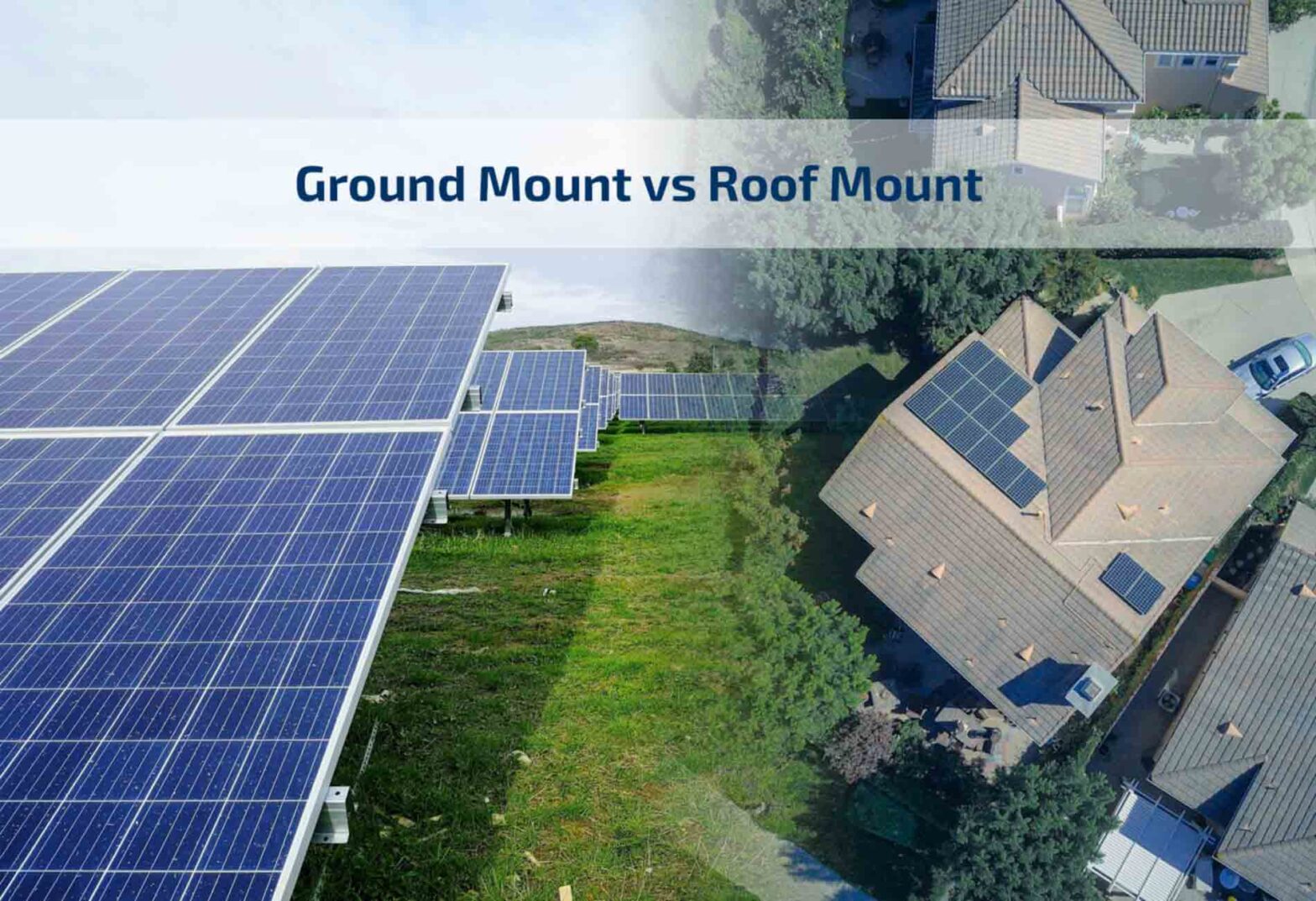
Also Read: Ground Mounted Solar Panels vs Roof Solar Panels: Which Is Right for Your Property?
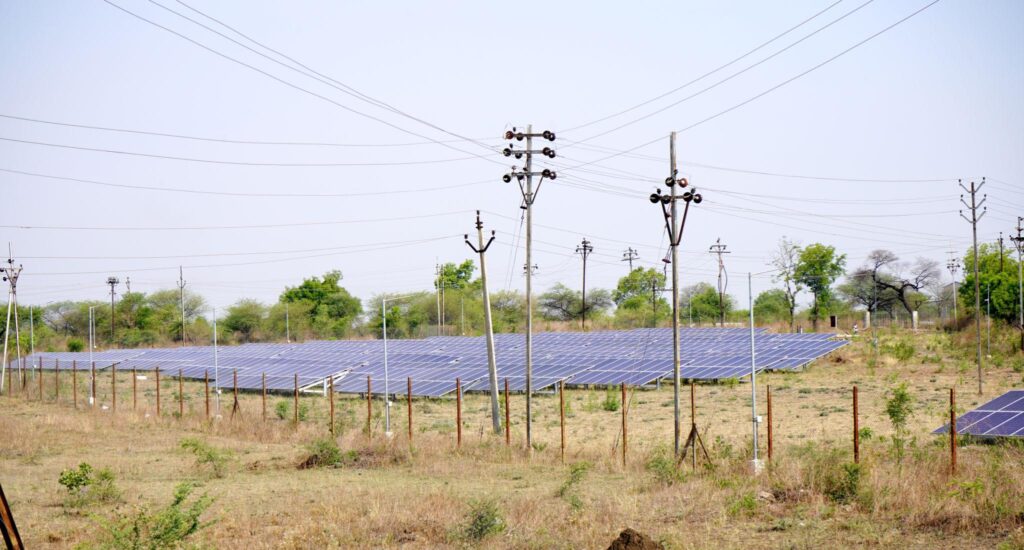
Solar ground mounted panels usually are 10 to 25 per cent more expensive than comparable rooftop installations because of additional structural requirements and land preparation. But they usually produce more electricity because they are positioned optimally, making ground mount solar installation an important option for businesses with suitable land.
Current costs in India range from ₹45,000-55,000 per kW for standard fixed systems, with single-axis tracking systems costing 20-25% more and dual-axis tracking systems costing 30-40% more. Factor in:
• Initial installation costs
• Land value considerations
• Maintenance requirements
• Potential agricultural production loss if using farmland
• More energy yield than rooftop systems
Subsidies for solar installations are provided by many states, and net metering policies enable you to return the excess electricity you generate to the grid and get a higher return on that investment. These factors should be considered when evaluating the overall cost of a ground mounted solar system.
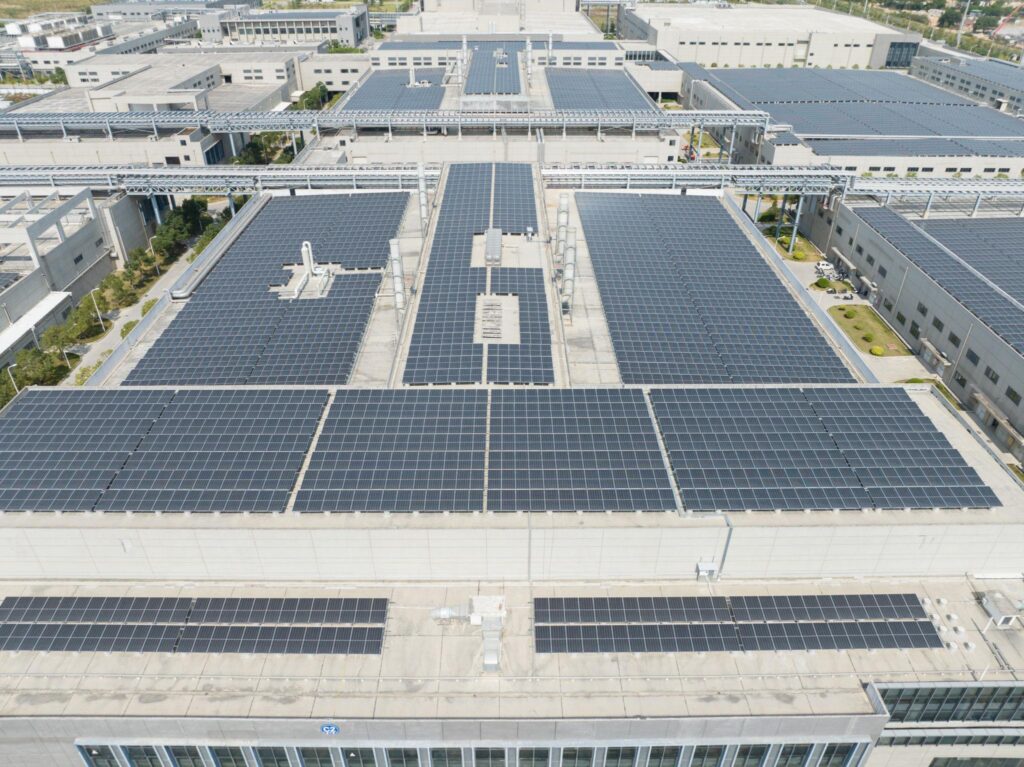
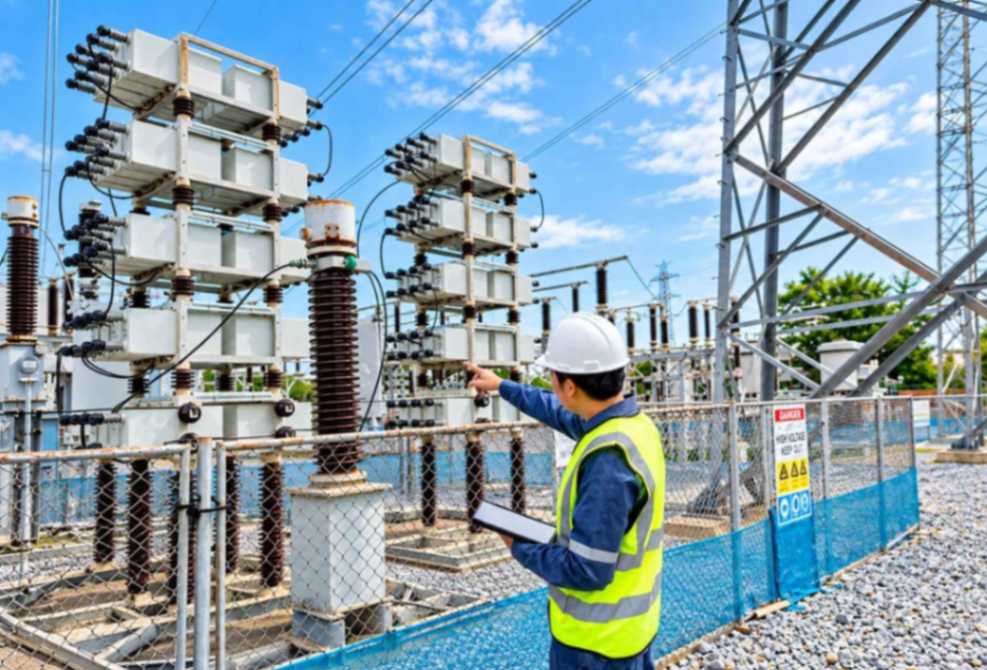
The technical infrastructure for uninterrupted flows of electricity between solar generation systems and utility networks, including safety mechanisms, and monitoring capability for management of energy under changing demand conditions. Consider:
• Distance to connection point: Longer distances mean more cabling and higher costs
• Transformer requirements: Larger systems may need dedicated transformers
• Net metering setup: Ensures you receive credit for excess power
• Inverter selection: Must comply with local grid codes
Find experienced providers who know the grid connection requirements in your state and can design a system that meets all technical specifications.
Strategic planning for integrated system care requirements, featuring appropriate access points that ensure optimal cleaning and repair, as well as replacement of components so as to maximise usefulness and minimise disruption of normal property operations.
One major advantage of a ground mounted solar PV system is easier maintenance access. But you’ll need to take into consideration the following factors:
• Panel cleaning: Dust and pollen accumulating on the panel could reduce efficiency by 5–10%.
• Vegetation management: Regular trimming to avoid shading and fire hazards
• Seasonal inspections: Inspecting for weather damage and loose connections
• Security measures: Monitoring or fencing systems to prevent theft or vandalism
Since these maintenance tasks occur at ground level, they are easier and safer than rooftop ones with the possibility to increase your ground mount solar system lifespan.
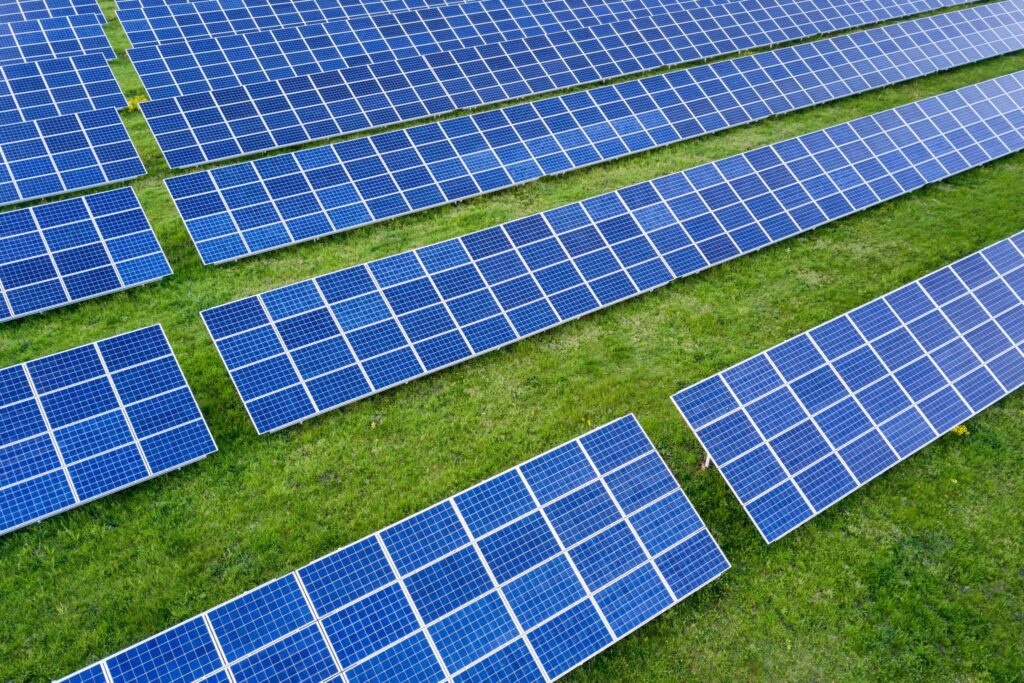
Ecologically sensible balancing of the renewable energy benefits with the effects of on-site modification, smart, and responsible construction practices and related sustainable landscape approaches that protect natural resources and enhance biodiversity through landscape design.
Think about how your ground mount solar system will interact with its surrounding environment:
• Water runoff management: Proper drainage to prevent erosion
• Native vegetation: Planting low-growing native species between panels
• Wildlife considerations: Fencing design that allows small animal movement
• Dual-use possibilities: Some crops or grazing can coexist with elevated panels
When planned carefully, your ground mount system can even help to put your property on an environmentally positive path.
A ground mount solar system typically gives a payback period of 4–6 years, depending on system size, electricity use, and local net metering rules.
Yes, but you may need land-use permissions. Many states support agrivoltaics, where crops or grazing can continue under raised solar structures.
Installation usually takes 13–14 days, but the full process including planning, approvals, inspection, and grid connection can take 8–12 weeks.
A 5 kW system generally requires around 30–40 sq. metres of open, shade-free space.
Not much, but regular panel cleaning, vegetation trimming, and seasonal inspections are important for maintaining high efficiency.
Ground mount solar system provides greater flexibility, better positioning, and easier maintenance than rooftop versions. After analysing these nine factors, you will be ready to make any decision regarding your solar investment.
So, are you ready to explore if a ground mounted solar structure is right for you? Contact Enerparc today for a free site assessment and custom solution tailored to your energy needs and property conditions.