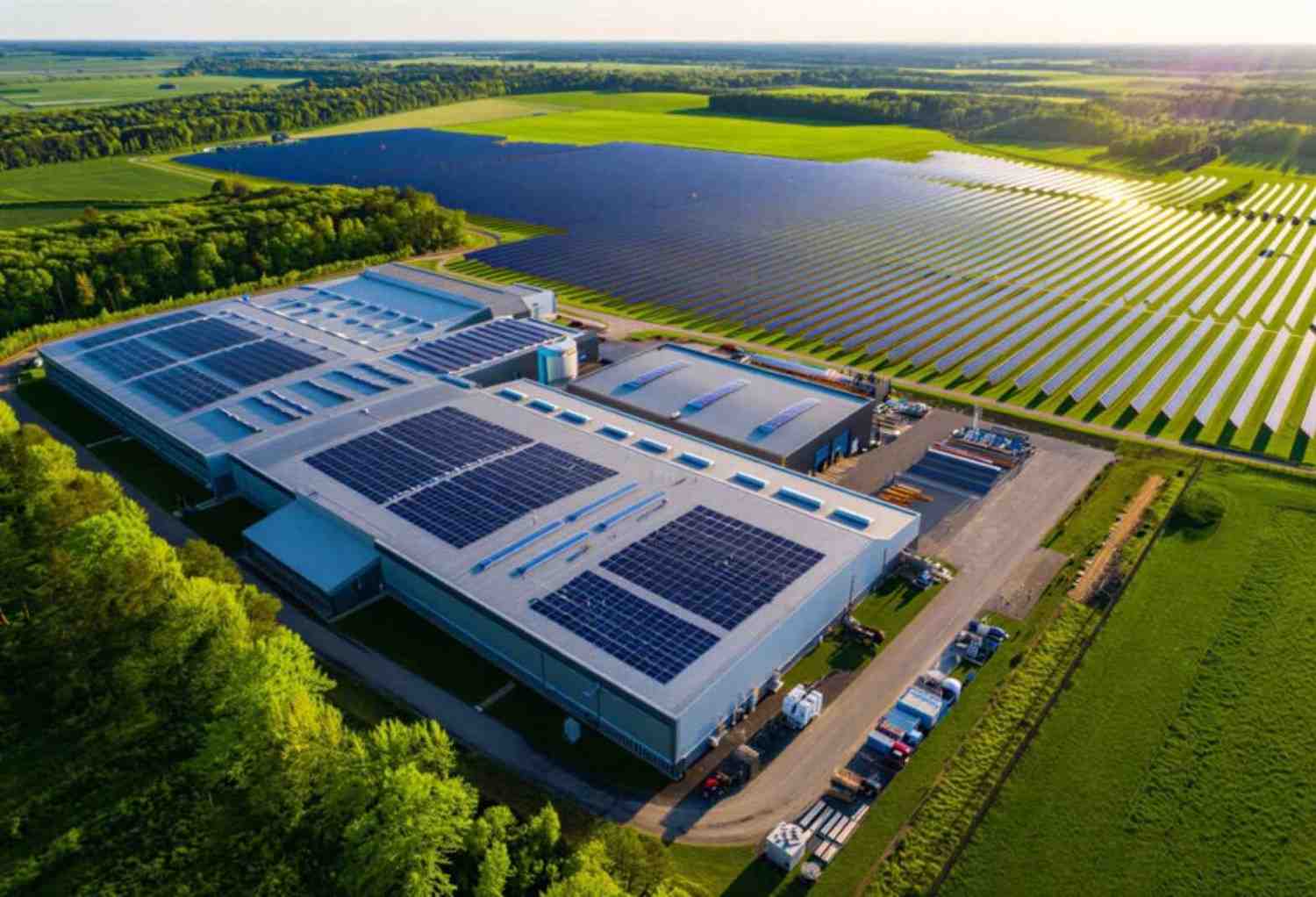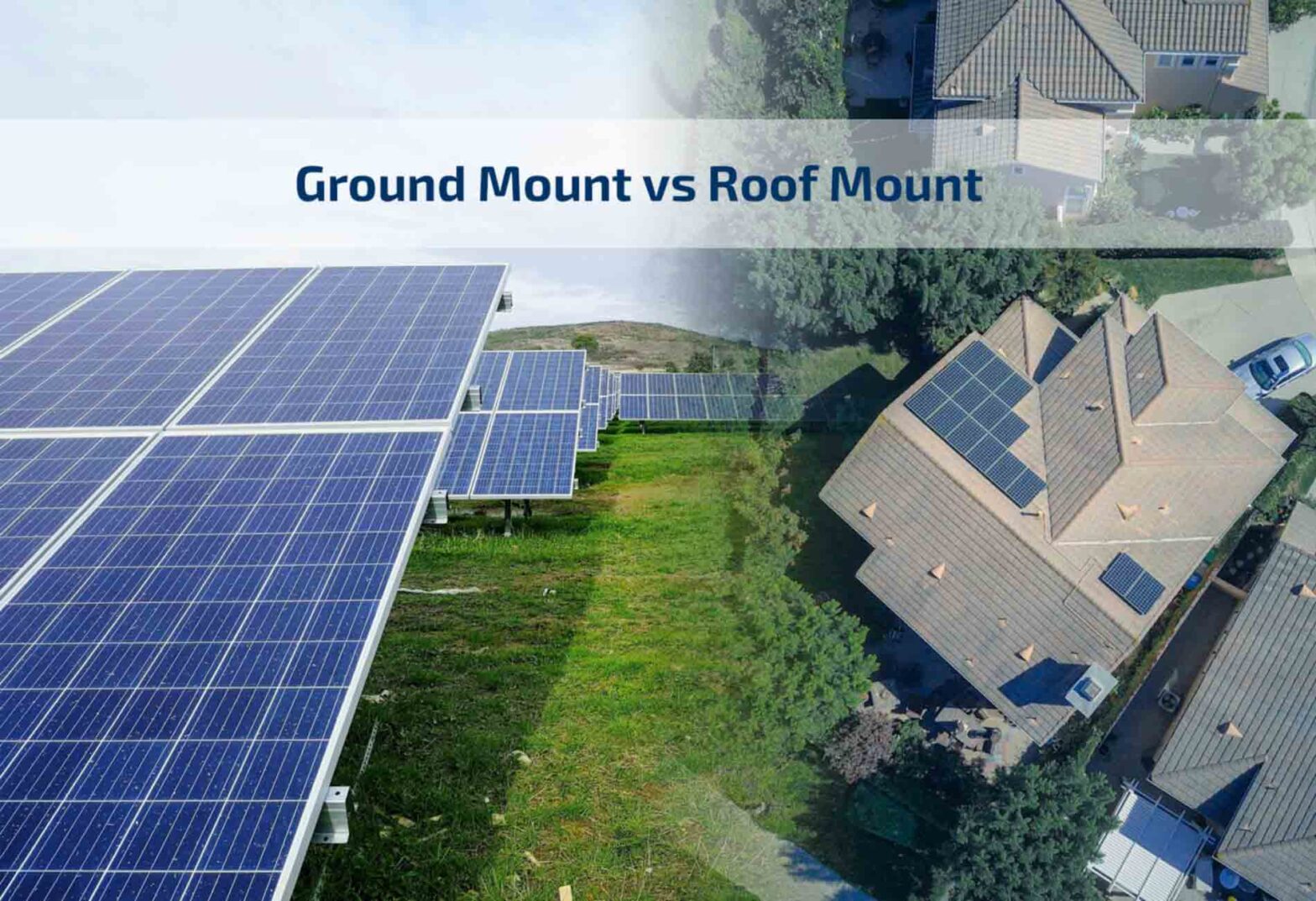
Ground-mounted solar offers better efficiency, easier maintenance, and optimal positioning but costs 10–30% more and needs significant land. Rooftop solar is cheaper, space-saving, and faster to permit, making it ideal for limited-land properties but loses 10–25% efficiency in hot weather and complicates roof repairs. The right choice depends on your available space, roof condition, budget, climate, and long-term energy needs.
More Indian businesses are adopting solar, and the first big question is always: should I install ground-mounted or rooftop panels? As of May 2026, India’s cumulative solar capacity touched 157.05 GW, with 118.79 GW from ground-mounted projects and 27.88 GW from grid-connected rooftop systems, both segments growing fast. Here’s how to choose the right setup for your property.
Key Takeaways
– Ground-mounted solar panels provide better efficiency and easier maintenance because they can be installed at the ideal angle with improved airflow.
– Rooftop solar panels are more cost-effective and space-saving, making them suitable for homes and businesses with limited land.
– Ground-mounted systems usually cost 10–30% more due to additional foundation and installation work.
– Rooftop solar systems have a simpler approval process and help utilize unused roof space efficiently.
– The right solar setup depends on available space, roof condition, budget, climate, and long-term energy requirements.
Understanding the Basics: What’s the Difference?
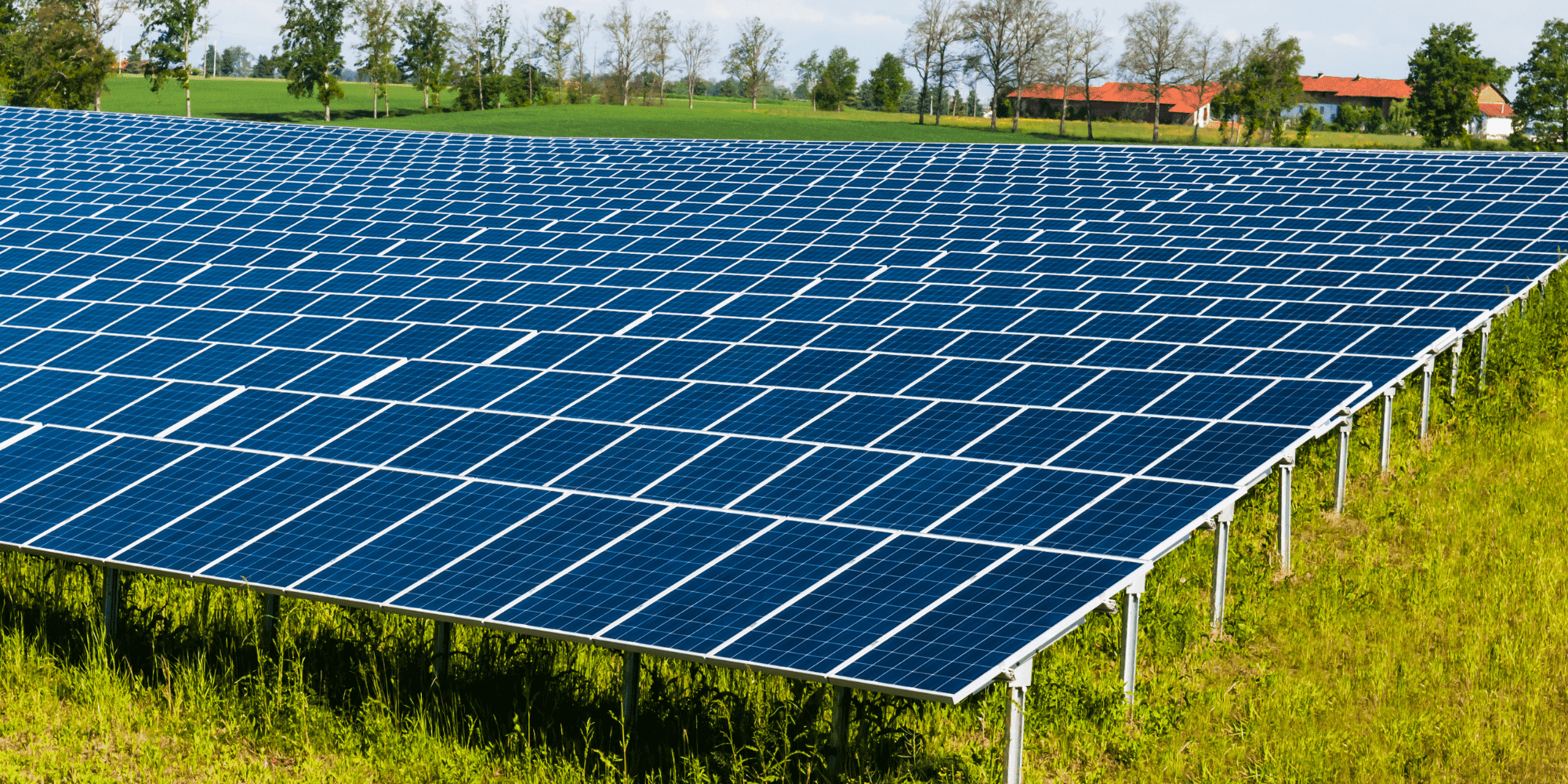
Solar panels can be installed either on the ground or on rooftops.
Ground-mounted solar panels rest on frames that remain fixed to the land. Rooftop solar power plants are installed on top of your building. Rooftop solar power plants find their place on the top of your building structure. Both use the same solar panel technology, but they’re different in how you maintain them, install them, and how well they work.
The biggest difference between ground mounted solar panels vs roof mounted ones is simply where they’re placed – either on your roof or on your land. This one difference changes a lot about their cost, how efficient they are, how easy they are to maintain, and whether they’ll work for your property.
Let’s look at what makes these two types different so you can pick the right one for your needs.
Read More: Ground-Mount Solar Mounting Structures
Pros and Cons of Ground Mounted Solar Panels
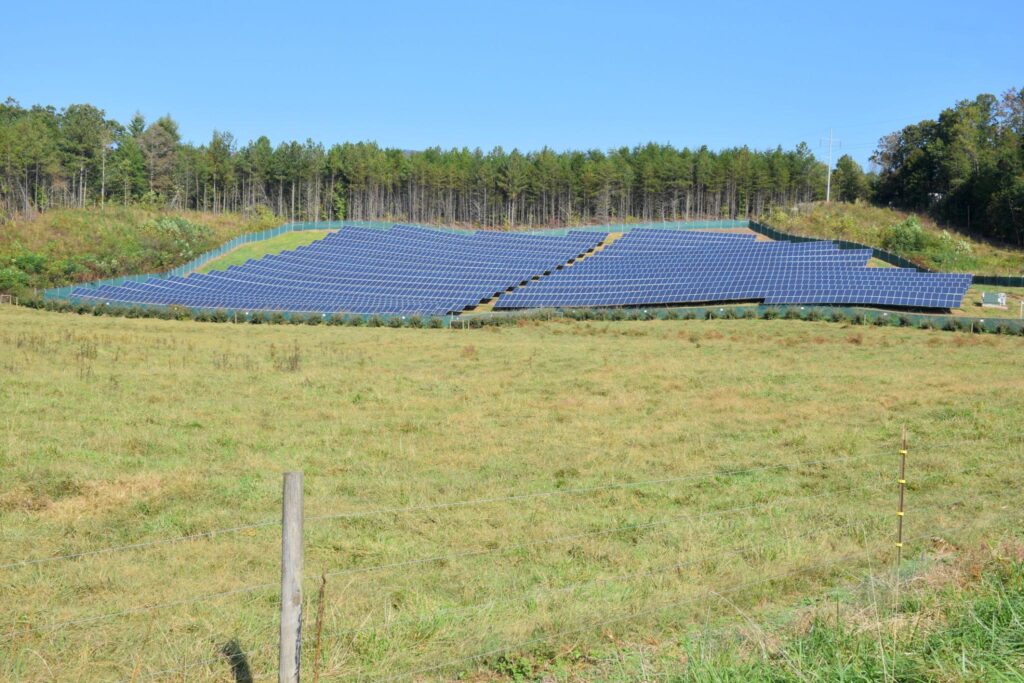
We explore here the main advantages and disadvantages of ground-mounted solar systems to show if that’s a choice that you need.
Benefits:
– Optimal Positioning: Regardless of the roof configuration, ground mount solar systems can be tilted and oriented to generate the most energy. It allows for ideal sun exposure throughout the day.
– Better Airflow and Cooling: Improved ventilation to the panels within the system makes them operate at lower temperatures, thus increasing system efficiency and energy production.
– No Roof Structural Concerns: The roof structure will remain intact because the system avoids overloading and unnecessary drilling that could lead to leaks later.
– Easier Access for Maintenance: The ground-level panels enable convenient maintenance activities, including cleaning, inspection and repair work, which results in an extended lifespan of the system together with maximum system performance at peak hours.
– Scalability: You can easily scale up ground-mounted systems to meet increasing energy needs without being restricted by roof dimensions.
Limitations:
– Higher Installation Costs: An analysis of ground mount vs roof mount solar cost shows that ground-mount systems require extra materials and labour for installation as they need a foundation, mounting structure and trenching for cable connections. Their installation will cost you nearly 10-30% more than rooftop solar panels.
– Space Requirements: These systems occupy a lot of space, which could otherwise be used for other purposes and are hence unsuitable for properties with limited space.
– Potential Planning Permission Complications: The procedure for obtaining planning permission extends longer when you choose ground-mounted systems due to their designation as new property structures.
– Property Aesthetics: You should choose roof mounted solar panels if the visual appeal of your property matters most. Ground-mounted solar panels are installed in open areas, which may unexpectedly create a visually unappealing look.
– Vulnerability to Damage: Solar systems installed on the ground face continuous exposure to animal intrusion, weather events, and intentional human damage (vandalism).
Read More: Ground Mounted Solar Plants overview
Pros and Cons of Rooftop Solar Panels
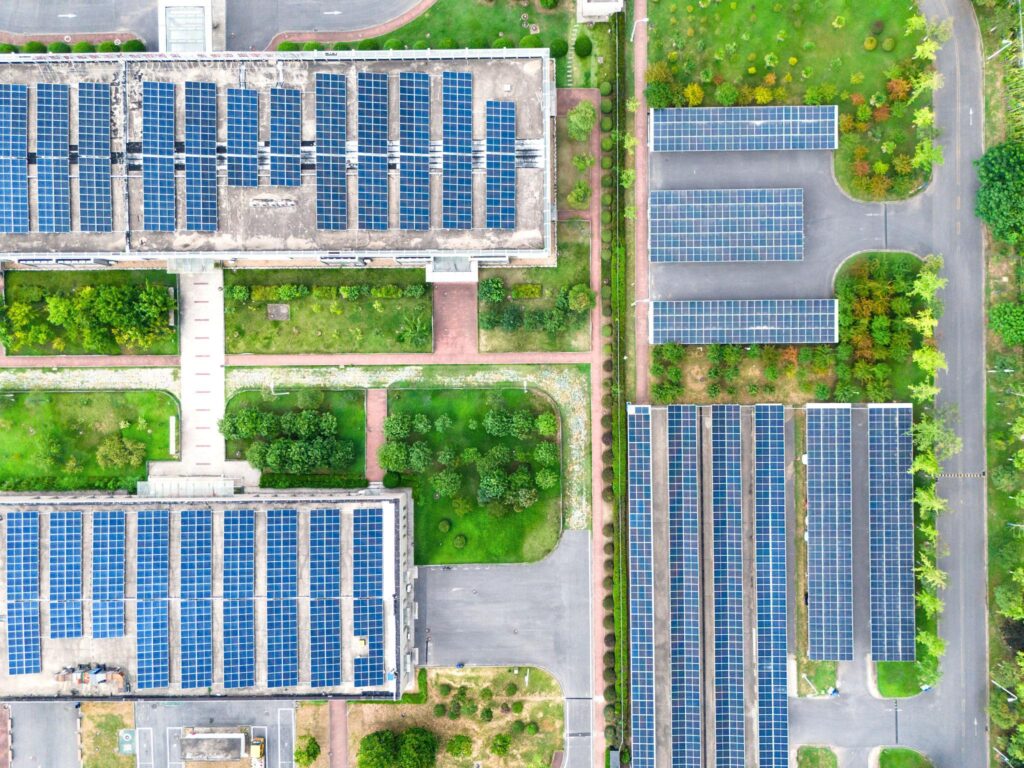
Here are the advantages and disadvantages of roof-mounted solar installations. You should think about these before you invest in them.
Benefits:
– Lower Installation Costs: The initial cost of roof installations remains lower because they require minimal materials and labour. The roof already serves as the structural foundation, so there’s no need for additional construction work.
– Space Efficiency: The best rooftop solar panels are great for properties that have little land area, as they use otherwise unused roof space. In particularly urban settings where getting space is a premium, this is particularly beneficial.
– Simpler Permitting Process: The permit application process for rooftop solar panels is easier, as you’re not building any new structure on your property.
– Aesthetics: Roof-mounted systems keep your property looking nice since the panels blend with your building structure without creating visible disruptions.
– Protection for Your Roof: Also, they lower the temperature of the roof by 5° Fahrenheit. So, you’ll be spending less money on cooling your house.
Limitations:
– Installation Limitations: Your roof’s orientation, angle and available space will restrict the system size and its efficiency. Not all roofs sit directly in the best direction to allow for full solar exposure.
– Higher Operating Temperatures: Since rooftop solar panels are limited by airflow, they normally operate at higher temperatures compared to ground surface panels, and 10-25% of their efficiency can be lost in hot weather.
– Accessibility Issues: Panels mounted on the roof are more challenging to clean and maintain due to the steepness of the roof or its inaccessibility.
– Complications with Roof Repairs: If you have repairs to your roof or need to replace the roof entirely during the life of your solar panels (around 25 to 30 years), you will have to take off and reassemble the whole system, adding significant costs.
– Structural Considerations: Not all roofs can take the additional weight of solar panels, and some will require structural reinforcement before being allowed to install.
Also Read: Enerparc Energy India Honoured for Pioneering 2.7 MW Rooftop Solar Project
Cost Comparison
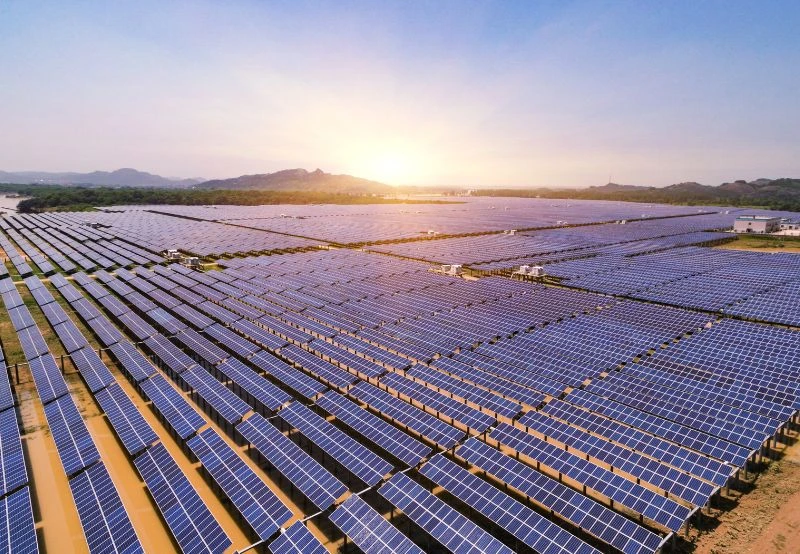
As reported in Research in Energies (2020), rooftop solar panels, on average, have 2.9% more capacity utilisation and up to 23.7% lower energy costs compared to ground-mounted installations.
However, ground-mounted solar offers positioning flexibility and easier maintenance. While initially 10-30% more expensive, ground systems may provide better long-term value in certain environments with sufficient land.
5 Factors to Consider When Making Your Decision
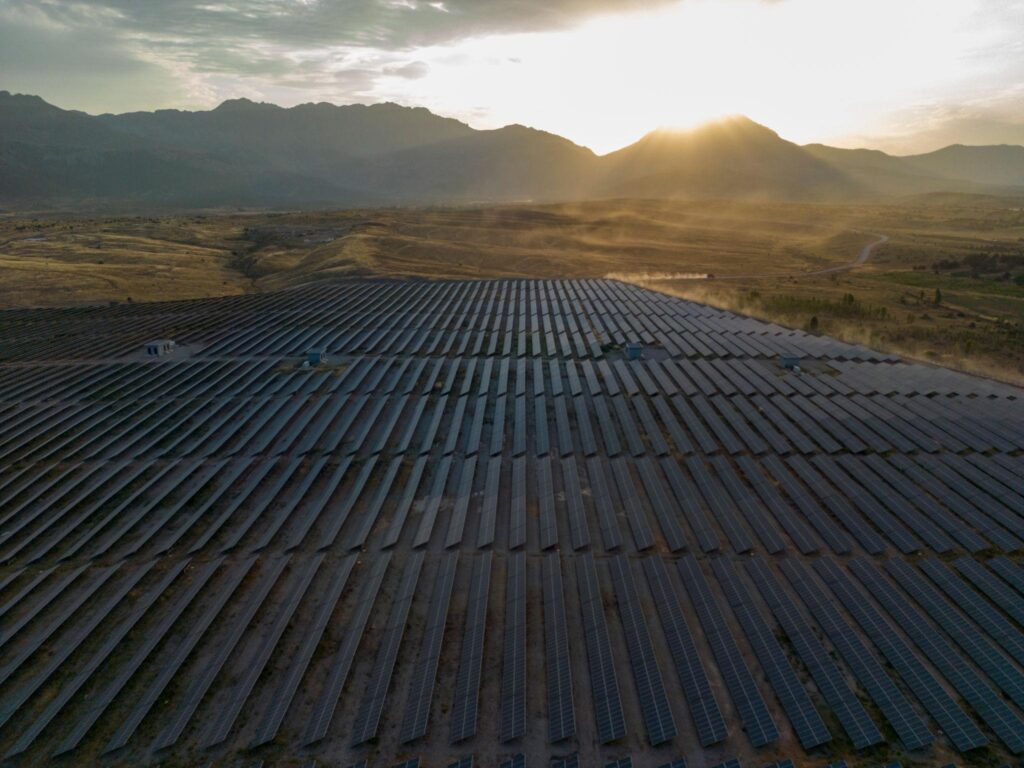
The right solar solution for you depends on your property’s unique characteristics and personal priorities.
– Available Space: A rooftop solar system works best for properties that have restricted land availability. Large properties benefit more from ground-mounted systems as they provide better flexibility.
– Roof Condition and Orientation: A south-facing roof that’s in good condition serves as the best platform for solar panel installation. Older roofs with poor orientation may require ground-mounted systems for more suitable deployment.
– Local Climate: Ground-mounted systems can be adjusted to survive heavy snowfall or high winds when operating in locations with such severe weather patterns.
– Local Regulations: Verify with local authorities about any installation restrictions or special requirements before choosing either a roof-based or ground-based solar system.
– Budget: Rooftop solar panels cost less to install than ground-based systems, though ground solutions might deliver higher performance results.
To Sum Up
Rooftop solar panels cost less and don’t take up extra space, which works well in urban settings where land is limited. These roof systems are best when you want to save money on electric bills without changing your property layout.
Solar panels on the ground work better and are easier to fix when problems happen, but they need more land and cost more money to set up. The ground systems can be positioned at the perfect angle to catch more sunlight throughout the day. Both types of solar panels can last for many years, but you need to choose the right kind for your situation.
Contact Enerparc for a personalised property assessment to maximise your solar investment. Our experts can visit your home, check your property, and help you decide which solar option is best for your needs and budget.
Read More: Ground Mount Solar Systems in India: Complete Guide
Frequently Asked Questions (FAQs)
1. Which solar panel system is more efficient?
Ground-mounted solar panels are generally more efficient because they can be positioned at the ideal angle and receive better airflow for cooling.
2. Are rooftop solar panels cheaper than ground-mounted systems?
Yes, rooftop solar systems usually have lower installation costs since they use the existing roof structure and require less additional equipment.
3. Which solar setup is better for small properties?
Rooftop solar panels are ideal for properties with limited land because they make efficient use of unused roof space.
4. Do ground-mounted solar panels require more maintenance?
No, ground-mounted systems are actually easier to maintain because they are more accessible for cleaning, inspection, and repairs.
5. What factors should I consider before choosing a solar system?
You should consider available space, roof condition, installation budget, local climate, and long-term energy needs before deciding between rooftop and ground-mounted solar panels.