Commercial solar can cut your business electricity bills by 70–90%, pay for itself in 4–7 years, and deliver 40% first-year tax depreciation all with financing options that require zero upfront capital.
If you run a factory, office, retail store, or SME in India, solar is now one of the fastest-returning investments available to you. Beyond the immediate savings, it locks in fixed energy costs for 25+ years, protecting you from the grid tariff hikes that erode your margins every year.
Here’s what that looks like in real numbers: a 500kW system costs roughly ₹2.25 crore, generates around 60,000 units monthly, and saves about ₹6 lakh every month at ₹10/unit. You recover your full investment within about 5 years then enjoy 18+ years of nearly free electricity. Add the ₹90 lakh first-year depreciation claim (≈₹27 lakh in immediate tax savings at a 30% rate), and the case becomes hard to ignore.
This guide breaks down the savings, ROI timelines, government incentives, financing models, and operational benefits so you can decide with hard figures, not vague promises.
Key Takeaways
– Massive Cost Savings (Up to 90%): Commercial solar systems can cut your business electricity bills by 70–90%, protecting you from rising grid tariffs and ensuring long-term savings.
– Fast ROI & Long-Term Value: Solar systems typically pay for themselves within 4–7 years, followed by 18+ years of nearly free electricity — boosting overall profitability.
– Government Incentives & Tax Benefits: Businesses can claim 40% accelerated depreciation in the first year and additional depreciation benefits later — delivering quick tax relief and financial efficiency.
– Reliable, Low-Maintenance Power: With 25-year panel warranties and minimal upkeep costs (1–2% annually), solar ensures reliable, uninterrupted power supply with high operational efficiency.
– Sustainability & Brand Growth: Solar reduces your carbon footprint, improves ESG scores, and enhances your brand image — attracting eco-conscious customers, investors, and partners.
How Solar Saves You Money
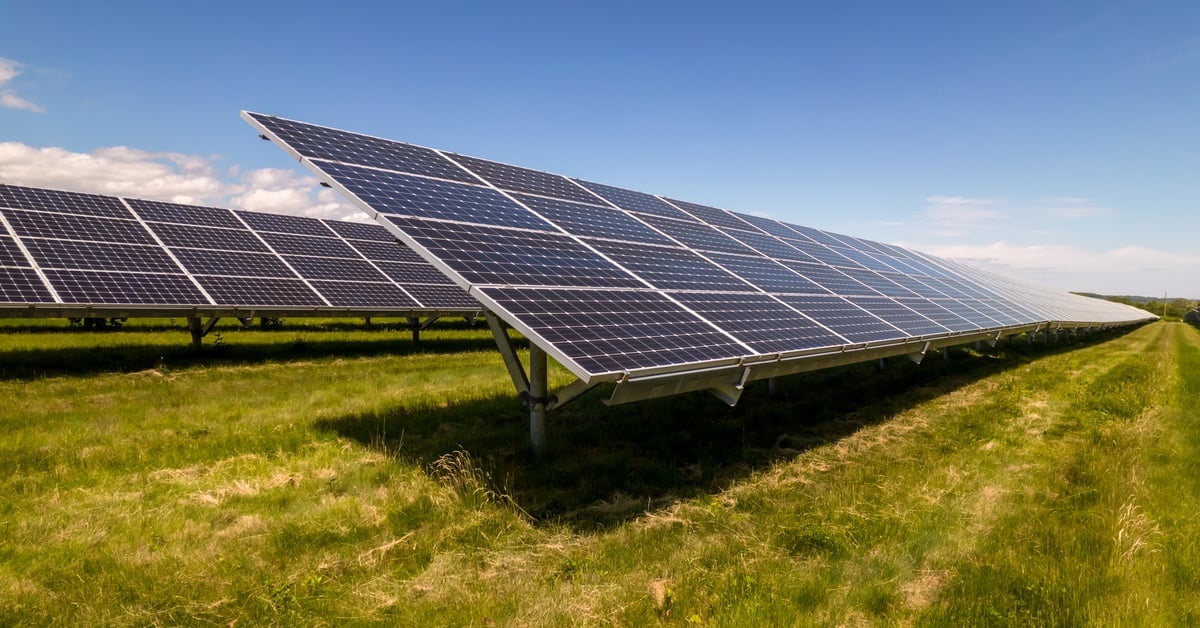
Businesses that use solar to power their operations experience a definite transformation in their expenses as they become more predictable and can bring long-term value through financial returns and other benefits.
1. Your Electricity Bills Will Drop Significantly
The biggest answer to “What are the benefits for solar energy for my business?” is cost savings. Commercial solar installations cut monthly electricity bills by 70-90%. Industrial electricity rates cost ₹6-12 per unit across India. These savings add up fast.
A 500kW solar power system generates around 2,000 units per day. At ongoing rates, this amounts to saving ₹12,000- ₹24,000 per day. Over one month, your business could save ₹3.6-7.2 lakhs on electricity costs.
The benefits of using solar energy for electricity extend far beyond immediate relief. Solar power protects against future rate increases. Grid electricity costs keep rising yearly. Solar gives you fixed energy costs for 25+ years.
2. Solar Pays for Itself Fast
Commercial solar systems deliver strong financial returns. Most systems pay for themselves in 4-7 years. This depends on your location and energy use patterns.
Current installation costs average ₹45-50 per watt for systems above 500kW. A 500kW system costs about ₹2.25 crores. It generates around 60,000 units monthly. At ₹10 per unit, this creates ₹6 lakh monthly savings. You recover your investment within 5 years.
After payback, you get 18+ years of almost free electricity. This long period of savings brings huge value. It keeps benefiting your business long-term. Businesses frequently ask, “What are the benefits for solar energy?” when evaluating this ROI, the financial benefits become clear once you see these numbers.
3. Take Advantage of Government Support
India offers attractive financial incentives for green energy solar adoption. The accelerated depreciation benefit helps businesses claim 40% depreciation in year one. This provides immediate tax advantages.
For a ₹2.25 crore investment, you can claim ₹90 lakh depreciation in year one. At a 30% tax rate, this gives ₹27 lakh immediate tax savings. You get an additional 20% depreciation in the following years. This totals 60% depreciation benefits over time.
Many state governments provide extra support. For example, Maharashtra offers net metering benefits and open access policies. Net metering lets allows you sell excess power back to the grid. Gujarat provides attractive feed-in tariffs for excess power generation. Feed-in tariffs guarantee payment rates for your solar electricity.
4. Financing Options That Work for You
Financing makes solar accessible regardless of your capital situation. CAPEX models involve direct purchase with full ownership benefits. OPEX models use Power Purchase Agreements and need zero upfront investment.
PPAs let you buy solar electricity at fixed rates. Banks provide competitive solar loans at flexible terms. Various government schemes like IREDA loans support projects on solar renewable energy. These come with favourable conditions.
Lease-to-own arrangements let you start saving immediately. You build ownership over time. These options make solar accessible to all business sizes. Understanding “What are the benefits for solar energy?” becomes easier when you see how flexible financing removes barriers to adoption.
Read More: Solar Energy Benefits Save Money & Go Green Today
How Solar Makes Your Business Operate Better
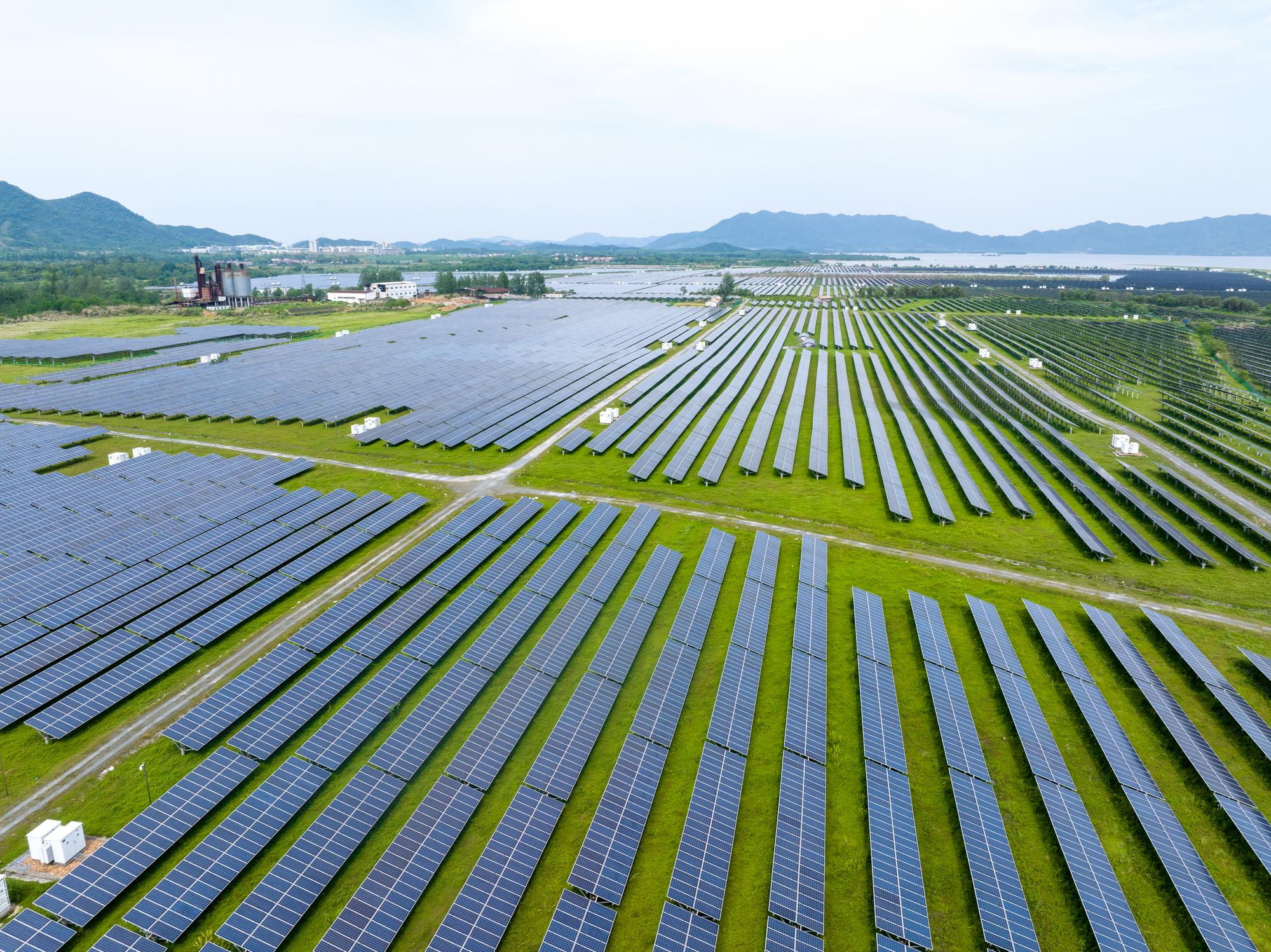
A reliable energy supply reduces maintenance needs while giving you more control over your infrastructure, creating operational advantages.
1. Never Worry About Power Outages Again
Business owners exploring “What are the benefits of solar energy for my business?” focus on operational reliability. Solar energy offers autonomy from grid problems and failures. These can disrupt production schedules and business operations.
Grid dependency creates vulnerability to supply issues and price changes. Battery storage in solar systems enables uninterrupted operations during emergencies. It stores any surplus solar power to be used later. This reliability is really important for industries that require uninterrupted power.
Data centres, pharmaceuticals and food processing need a constant power supply. When you have energy independence, it also protects you from fluctuations in fuel prices. These affect thermal power generation. Solar provides stable, predictable energy costs for accurate planning.
2. Solar Panels Usually Need Basic Maintenance
Solar energy systems need little maintenance compared to conventional power equipment. Routine monthly cleaning and annual inspection ensure proper functioning. With no moving parts, they have fewer failure points and lower maintenance costs.
Today’s solar panels have performance warranties of 25 years. These guarantee maximum output over time. Inverters generally last 10-15 years. They convert solar power into usable electricity. Replacement costs fit easily into long-term planning.
Total maintenance costs around 1-2% of system value yearly. Weather resistance ensures reliable operation across India’s climate conditions. Panels withstand monsoons, hail, and extreme temperatures. This durability makes solar ideal for industrial applications.
3. Grow Your System as Your Business Grows
Solar installations offer excellent scalability for growing businesses. Modular design allows easy capacity additions as energy needs grow. Ground-mounted systems provide flexibility for future expansion projects.
Rooftop installations maximise existing space without needing additional land. Carport installations serve dual purposes. They protect vehicles and generate power. These mounting options fit various business needs and site constraints.
Advanced monitoring systems track performance and identify improvements. Real-time data helps ensure systems operate efficiently. Smart monitoring integrates with existing facility management platforms.
Why Going Solar Helps the Planet (And Your Reputation)
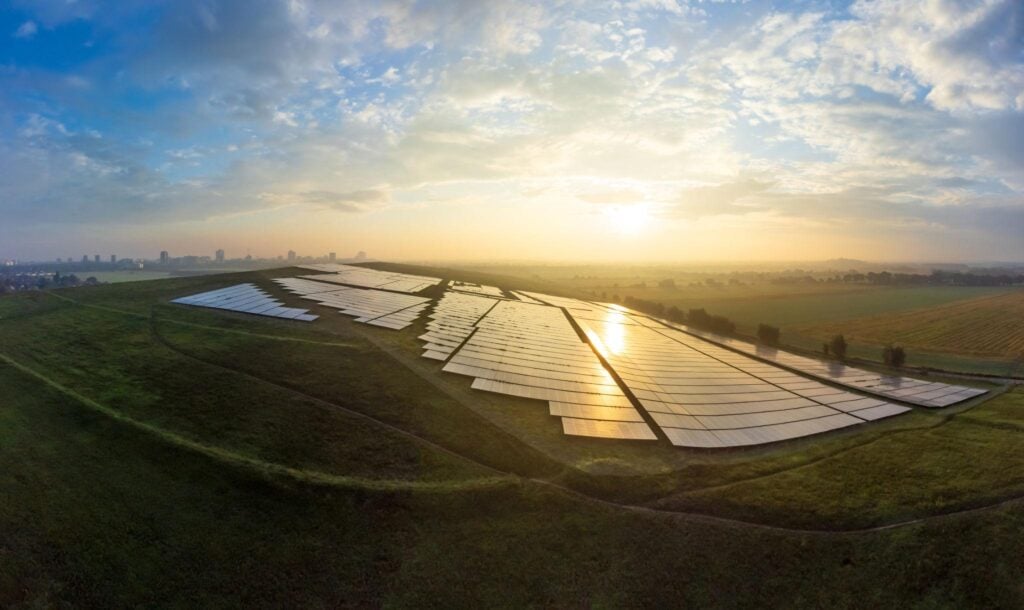
Environmental accountability creates a strong brand reputation through visible improvements to a cleaner atmosphere, healthier communities and better corporate social responsibility programs.
1. Cut Your Carbon Footprint
When learning “What are the benefits for solar energy for my business?” you may want to know the environmental impact, too. You also want financial returns. They support India’s climate commitments. Commercial solar installations minimize the emission of greenhouse gases to a large extent.
A 500kW installation can avoid approximately 730 tonnes of CO2 emissions in one year. This assists businesses in contributing to environmental protection.
India has set a goal of net-zero by 2070. Corporate environmental responsibility is, therefore, becoming more and more important. Solar adoption shows a genuine commitment to climate goals. It delivers tangible business benefits too.
Environmental impact reporting becomes easy with measurable emission reductions. You can accurately track carbon footprint improvements. These can be shared with the stakeholders, investors and regulating authorities.
2. Build a Better Brand Image
Investments are becoming more and more governed by Environmental, Social, and Governance criteria. The standards guide investors in assessing the sustainability of businesses. The use of solar appeals to environmentally conscious investors, customers and employees.
One of the indicators used in corporate sustainability reports is the use of renewable energy. The presence of solar installations can be seen as part of substantial proof of commitment to environmental issues. This goes beyond policy statements or marketing claims.
3. Make Your Community Healthier
The use of solar power doesn’t pollute the air by any means. This is in contrast to coal-based power plants. They emit poisonous particles and gases that influence the quality of air and the health of people.
Adoption of clean energy is especially useful in India due to its air quality issues. It mitigates the use of fossil fuels, which contributes to air pollution. It impacts the community positively, not just the business.
Supporting renewable energy goals contributes to national energy security. Reduced fossil fuel imports strengthen economic independence. The benefits for solar energy extend beyond individual businesses and promote domestic clean energy manufacturing and job creation.
The Technology Behind Modern Solar
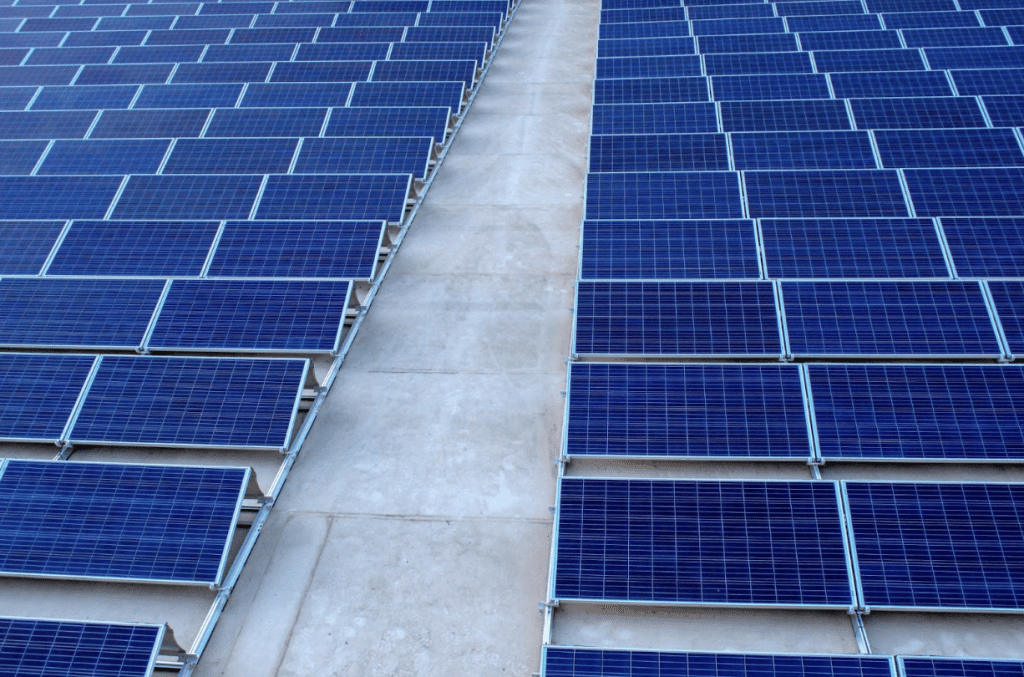
Advanced solar systems work with smart systems to deliver outstanding efficiency, reliability, and performance for business applications across many different industries.
1. Today’s Solar Panels Are Incredibly Efficient
Commercial solar installations use high-efficiency monocrystalline panels. Monocrystalline panels are made out of single silicon crystals. They achieve 15-24% efficiency rates. Bifacial panels capture reflected light from both sides. This increases energy generation by 10-30% compared to traditional panels.
String inverters optimize power conversion with maximum power point tracking. This technology ensures panels operate at peak efficiency. Advanced inverters provide grid support functions and reactive power control. These technologies ensure maximum energy harvest under varying weather conditions.
Smart monitoring systems provide real-time performance data. They send predictive maintenance alerts. The rise of cloud-based platforms offers remote monitoring and troubleshooting capabilities. As a result, system uptime and long-term performance are maximised.
2. Smart Systems That Manage Your Energy
Integrated energy management systems optimize solar power use throughout facilities. Battery storage systems store excess generation for peak demand periods. This reduces grid dependency and demand charges. Demand charges are fees for peak power usage.
Load management systems automatically adjust energy consumption based on solar generation. Smart controls prioritise critical loads during limited generation periods. These systems maximise solar energy use efficiency across operations.
Grid-tie capabilities enable net metering and excess power export. Net metering credits you for the power you send back to the grid. Advanced inverters provide grid stabilisation services during operation. These features create additional revenue streams while supporting grid stability.
3. Ready for Whatever the Future Brings
Solar installations integrate seamlessly with emerging technologies and future business needs. Electric vehicle charging infrastructure benefits from on-site solar generation. Green hydrogen production can use excess solar capacity for industrial applications.
Technology-focused businesses researching “What are the benefits for solar energy for our business?” often look for comprehensive solutions. Modern systems offer more than basic electricity generation. IoT integration enables predictive maintenance and performance optimization. IoT stands for Internet of Things and connects devices for smart monitoring.
Modular designs accommodate future technology upgrades and capacity expansions. Inverter replacements incorporate the latest efficiency improvements as technology advances. This future-proofing protects long-term investment value.
Solar Works for Every Type of Business
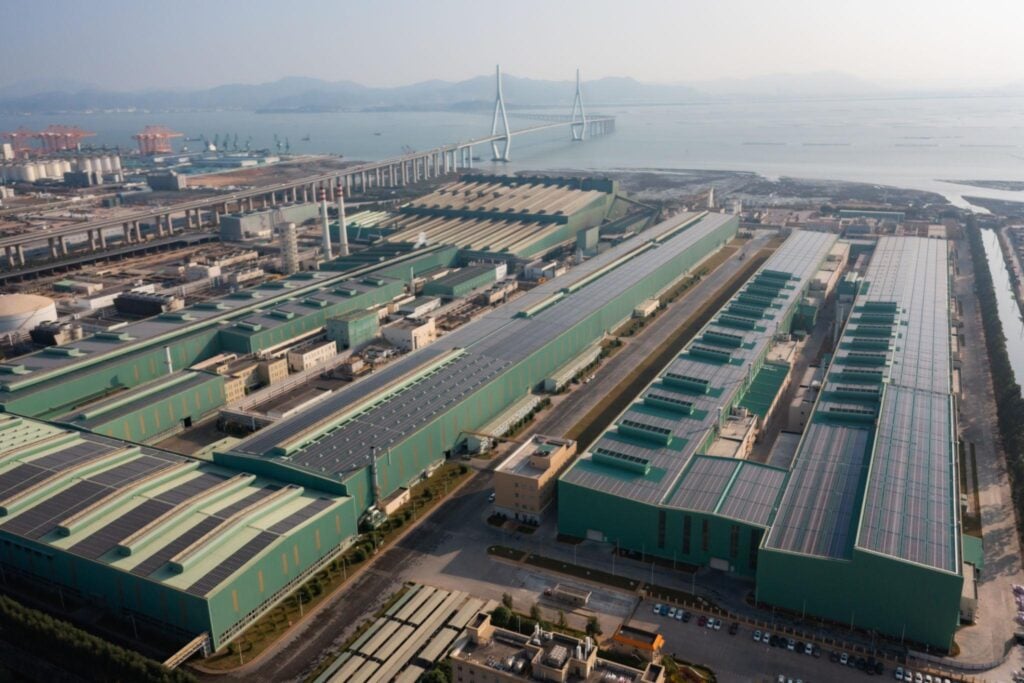
Solar solutions address different business needs across various industries, offering customised features according to specific operational requirements and business goals.
1. Perfect for Factories and Manufacturing
Manufacturing facilities with high energy consumption benefit most from large-scale solar. Continuous daytime operations align perfectly with solar generation patterns. Peak manufacturing hours coincide with maximum solar output.
Industrial processes needing a consistent power supply benefit from solar reliability. Lower energy costs enhance global manufacturing competitiveness. Energy-intensive sectors like steel, cement, and chemicals make significant savings.
Process heat applications can use solar thermal systems alongside photovoltaic installations. Solar thermal systems heat water or air using sunlight. Photovoltaic systems generate electricity. This comprehensive approach maximises natural energy use across industrial operations.
2. Great for Offices and Retail Stores
Office buildings and shopping centres benefit from reduced operational costs. They also improve sustainability profiles. Air conditioning loads typically peak during sunny hours. This creates natural alignment with maximum solar generation.
The benefits of solar energy for commercial buildings include improved tenant satisfaction, reduced vacancy rates, and increased property values through green certifications.
Retail businesses improve profit margins through reduced overhead costs. They improve customer perception through visible environmental commitment. Green building certifications become achievable with solar installations. This adds property value.
The hospitality sector benefits from reduced operational costs and enhanced guest appeal. Hotels can showcase environmental responsibility while reducing energy expenses. This creates dual solar energy benefits that strengthen competitive positioning.
3. Small Businesses Can Benefit Too
SMEs often wonder, “What are the benefits for solar energy for us?” They worry about limited capital. The answer lies in flexible financing options and proportional returns. Solar is accessible regardless of the company’s size.
Quick payback periods suit SME cash flow requirements better than long-term investments. Energy cost predictability helps business planning and growth strategies. Solar adoption helps level the playing field with larger competitors. It reduces operational costs.
Government schemes specifically support SME solar adoption with targeted incentives. Smaller system sizes reduce initial investment requirements while providing proportional benefits. This makes solar power energy accessible to businesses across all sectors.
Ready to Start Saving with Solar?
Commercial solar offers genuine financial relief in an era of rising energy costs. Businesses across the country now see what are the benefits for solar energy: high savings, reliable power, and environmental responsibility. The technology works, the financing exists, and government support makes implementation straightforward.
If you’re exploring solar options for your business, contact Enerparc online or call us at (+91) 804-941-4941 for expert guidance and solutions.
Frequently Asked Questions (FAQs)
1. How much can solar save my business each month?
A 500kW solar system can save ₹12,000–₹24,000 per day, equating to ₹3.6–₹7.2 lakhs per month depending on your power usage and location.
2. How long does it take to recover my solar investment?
Most commercial systems achieve payback within 4–7 years, after which you enjoy 18+ years of free or very low-cost electricity.
3. Do solar panels work during power cuts?
Yes — with battery storage, your business can maintain uninterrupted power even during grid outages or supply fluctuations.
4. What financing options are available for businesses?
You can choose between CAPEX (ownership), OPEX (PPA with zero investment), solar loans, or lease-to-own models — making solar accessible for all business sizes.
5. Is solar energy reliable and low maintenance?
Absolutely. Solar panels need only routine cleaning and annual checks. With no moving parts and strong warranties, they perform reliably for decades with minimal upkeep.