

let’s preserve the environment by using solar panels
Contact Us 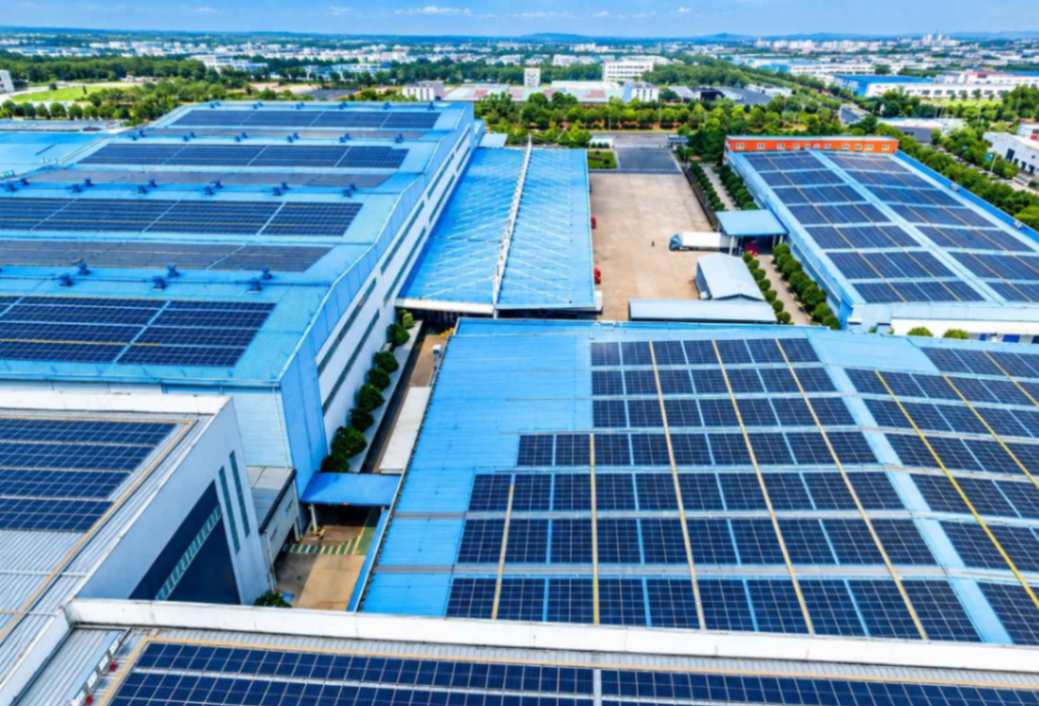
A textile mill’s power needs go beyond keeping machines running. Electricity affects production, operating costs, and the energy mix a mill uses. For large mills in South India, textile industry solar power is becoming an option worth considering alongside existing power sources. It can also support more sustainable textile production.
What’s driving this interest? And what does a practical solar plan look like? It starts with the sector’s high electricity demand. From there, mills need to look at real projects, rooftop limits, and the power options available to industrial consumers.
Textile manufacturing uses energy across spinning, weaving, knitting, dyeing, drying, and washing. NITI Aayog’s 2026 Scenarios Towards Viksit Bharat and Net Zero report states that the textile sector’s final energy use rose from 6.6 Mtoe in 2020 to 8 Mtoe in 2025. Spinning accounts for about 24% of this energy use. It’s also largely electricity-driven, with 72% of its energy coming from electricity. This makes textile mill energy costs an important concern for large facilities.
Electricity is therefore a direct operating concern for mills. A change in how electricity is sourced can affect the wider energy strategy, not just the sustainability plan. For some facilities, solar energy for textile manufacturing can become part of this energy mix. The key is to match the solar project with the mill’s actual power demand.
South India also has a large organised textile base. The Southern India Mills’ Association lists 339 member mills in Tamil Nadu and 94 in Andhra Pradesh. It also has members in Karnataka, Kerala, and Puducherry. These figures cover association members, not every mill in the region. Still, they show the scale of the industrial base. This creates opportunities for textile businesses to assess renewable-power options such as solar adoption in India.
Recent projects show that solar can support textile operations directly. It doesn’t have to be treated as a separate environmental project. This is where solar for textile mills can become part of a practical energy strategy.
Dollar Industries expanded its solar power plant at its Tiruppur manufacturing unit from 6 MW to 8 MW for captive power use. The company reports that the plant has a solar generation capacity of 100 lakh units each year.
A second example shows the role of rooftop solar. Mercom India reported in June 2026 that Dhanish Cotton Mills in Erode commissioned a 424.96 kW rooftop project. The project is expected to generate nearly 1 million units of electricity each year. It’s also expected to save about ₹7 million annually. For textile businesses looking for reducing electricity costs in textile mills, this example shows how rooftop generation can support a wider power plan.
These examples show two different applications. A larger captive plant can support a mill’s wider electricity needs. Rooftop solar can use existing industrial space to generate power close to the facility.
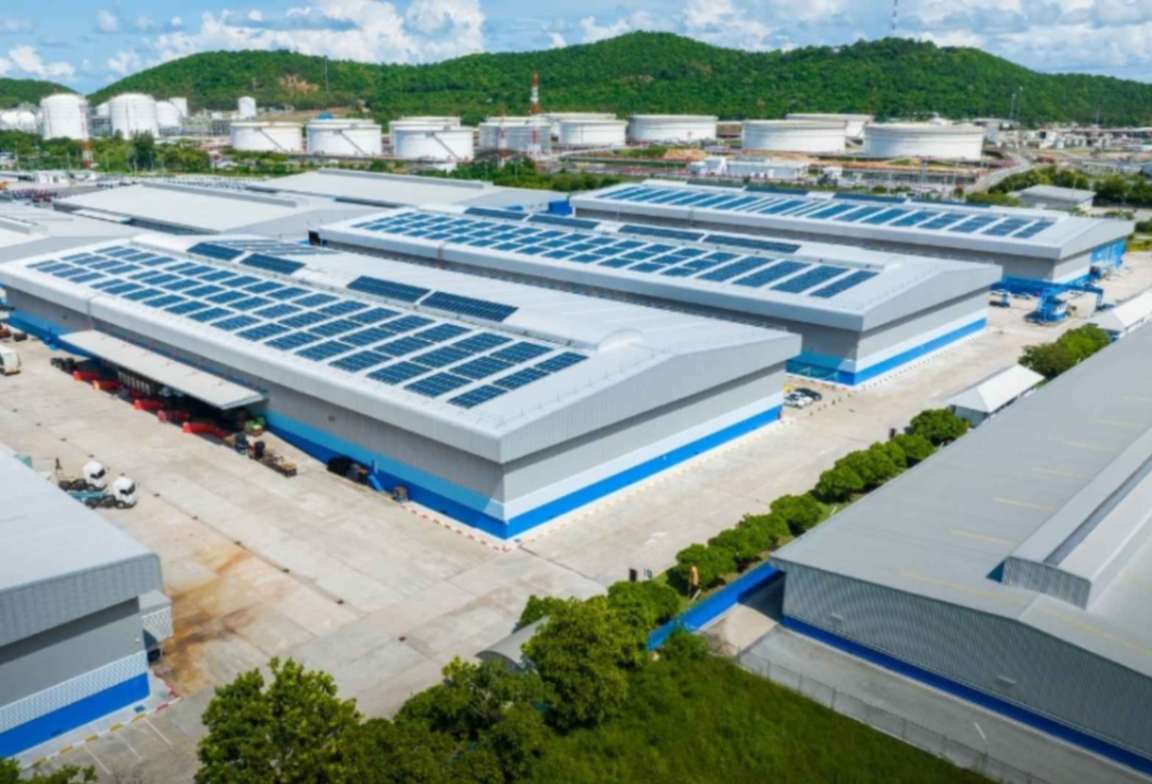
Rooftop solar can be useful for textile units because panels can use existing roof space. This removes the need for separate land. BEE’s textile-sector assessment says most textile units in major Indian clusters have enough rooftop area for solar PV. It also notes that dyeing and stenter sections can run throughout the day. This allows rooftop solar to meet a significant share of daytime electricity demand.
However, roof size doesn’t equal solar capacity. A mill must consider usable roof area and structural conditions. It must also check electrical limits, operating hours, and its actual load profile. The load profile shows when and how much electricity the facility uses. These factors can affect the manufacturing energy cost savings from a solar project.
Solar generation also changes during the day. If a facility needs power beyond solar production hours, rooftop generation may cover only part of its electricity needs. So, the key question isn’t, “How many panels can fit?” It’s, “How much of the mill’s demand can the system serve?” This matters when planning solar power for textile manufacturing.
For a large textile facility, the solar decision can go beyond an on-site system. Eligible consumers can also consider green open access. This allows them to procure renewable electricity through the grid.
Current government guidance allows consumers with a contract demand of 100 kW or more to use green open access. They can use one connection or multiple connections that add up to 100 kW or more within the same electricity division. Captive consumers have separate provisions under the framework. For eligible businesses, this can expand the options for solar energy for textile factories.
This gives mills more than one way to meet their renewable-power goals. A mill can assess rooftop generation for on-site solar use. It can also consider captive renewable power for larger requirements. Green open access is another option where the rules and project economics support it.
The choice should be based on the facility’s data. Load profile, sanctioned load, tariff structure, grid connection, applicable charges, available roof area, and the desired renewable-energy share all matter. The right structure depends on how these factors work together at the site.
The first output should be a clear view of the mill’s demand curve. This means identifying peak demand, daytime use, seasonal changes, and production loads. It also helps show how much electricity solar can serve directly. The remaining demand will still need another source.
The second output should define the project boundaries. A roof survey can confirm usable area and structural suitability. An electrical review can identify connection limits. For a captive or open-access option, the team must also check the regulatory and commercial conditions that apply to the site.
This matters because two mills with similar production volumes can have different solar needs. Their shifts, machinery, roof conditions, tariffs, and grid arrangements may differ. A project based on actual data is more useful than one based only on plant size or a standard capacity estimate. These checks can also help determine whether a project can deliver the expected solar ROI for textile mills.
The goal is simple: define solar’s role, choose the right delivery model, and test it against the mill’s operating and financial needs.
The strongest solar plan for a textile mill starts with its operating needs. First, understand where the mill uses electricity and when demand is highest. Then assess how much solar generation can be installed at the facility. Check whether the mill also needs other renewable-power options.
This approach avoids treating solar capacity as the only goal. Instead, it connects the system to production needs, available infrastructure, and the mill’s long-term energy plans.
For South India’s large textile sector, this shift matters. Solar can support a cleaner and more structured power strategy when project design is based on real consumption data.
Enerparc provides on-site solar, off-site solar, consulting, and other clean-energy solutions for businesses and industries. Its project planning is based on specific energy needs. For businesses exploring textile industry solar power, assessing site conditions, demand, and the right project structure is an important first step.
Solar open access lets you buy electricity from a solar project through the power grid. You don’t have to rely only on power generated at your own site. For a business, this can provide renewable electricity when installing enough solar panels on the premises isn’t practical.
Green open access lets an eligible electricity consumer procure renewable power through the grid. For a large industrial facility, this can provide renewable electricity without putting the entire system on your roof. Current rules generally use a 100 kW eligibility threshold. Separate provisions apply to captive consumers.
When choosing a solar panel system, you should consider your electricity demand, roof area, structural condition, operating hours, local solar conditions, electrical connection, and budget. It’s also useful to compare expected solar generation with your actual load profile. This helps you choose a system that matches your facility instead of simply choosing the largest capacity.
Captive solar is a solar power plant set up mainly to meet the electricity needs of its captive user. Under India’s captive framework, a qualifying arrangement generally requires at least 26% ownership by captive users. It also requires those users to consume at least 51% of the electricity generated each year.
Start by reviewing your electricity bills and, if available, your time-based load data. This shows how much power you use and when you use it. Then assess the usable roof or project area, solar conditions, electrical limits, and renewable-energy target. The final capacity should match your actual demand and project conditions. It shouldn’t be based only on the available space.