28 Oct 2026
8 min read
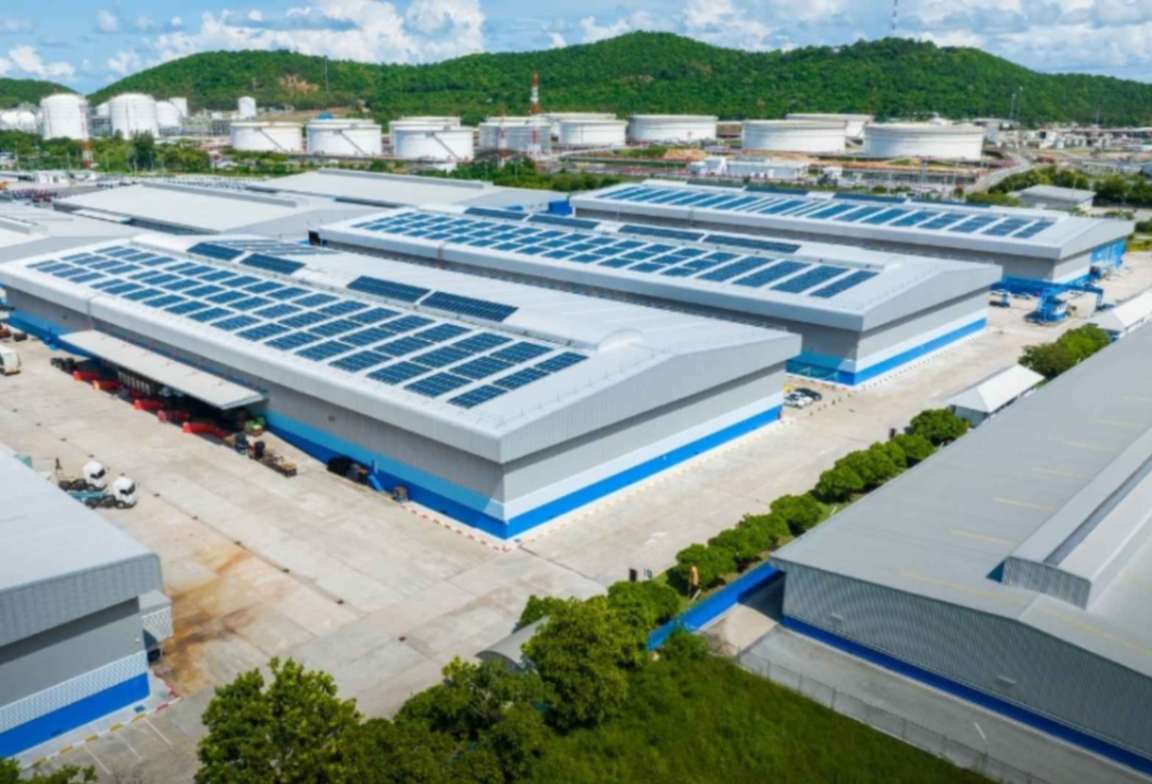
How is India’s shift to solar changing the way businesses think about energy? For commercial and industrial users, this question is becoming harder to ignore as solar becomes a bigger part of India’s power system.
If you’re planning your company’s energy needs, you may already be looking beyond your current electricity use. You may also be thinking about how solar could fit into your plans as those needs change.
That’s where the growth of solar power in India becomes important. It can help you understand where the energy sector is heading and what these changes could mean for your business.
India had 168.04 GW of installed solar capacity as of August 31, 2026, according to the Ministry of New and Renewable Energy. Ground-mounted projects made up 123.99 GW. Grid-connected rooftop solar reached 32.59 GW. Hybrid projects added another 4.83 GW through their solar component.
These figures show how solar power in India is being used across different types of projects. Large solar plants support major power needs. Rooftop solar systems generate power closer to the facilities that use it. This gives businesses more ways to meet their electricity needs.
As of August 31, 2026, India had 304.33 GW of total non-fossil installed capacity, including renewable energy and nuclear power. India aims to reach 500 GW of non-fossil capacity by 2030.
India’s electricity demand is expected to grow by an average of 6.4% each year from 2026 to 2030, according to the International Energy Agency. Annual electricity use could rise by more than 570 TWh during this period. Industry could account for about one-third of this growth.
This matters to businesses because higher production, cooling, transport, and electrification can increase their need for power. The challenge is not just to find cleaner electricity. Businesses also need enough power to meet rising demand.
Solar power in India is expected to meet a large share of this new demand. The IEA expects solar PV to supply around half of India’s additional electricity demand through 2030. Solar PV, or photovoltaic solar, uses semiconductor cells to turn sunlight into electricity.
For commercial and industrial users, these trends make clean power worth considering in long-term energy plans. Rising electricity demand and growing solar capacity can both shape how businesses plan their future power needs.
For a business, the key question isn’t just how much solar can be installed. It’s also how well solar power in India fits the facility’s actual electricity use.
This means looking at when the facility uses electricity, how much suitable space is available, and how the site connects to the grid. It also means deciding whether to generate power from an on-site solar system or source it from an off-site project as part of renewable energy in India.
An off-site solar model generates power away from the facility. The business then receives power through the relevant procurement arrangement, which can be one way to access the benefit of solar panels without using the facility’s own roof or land.
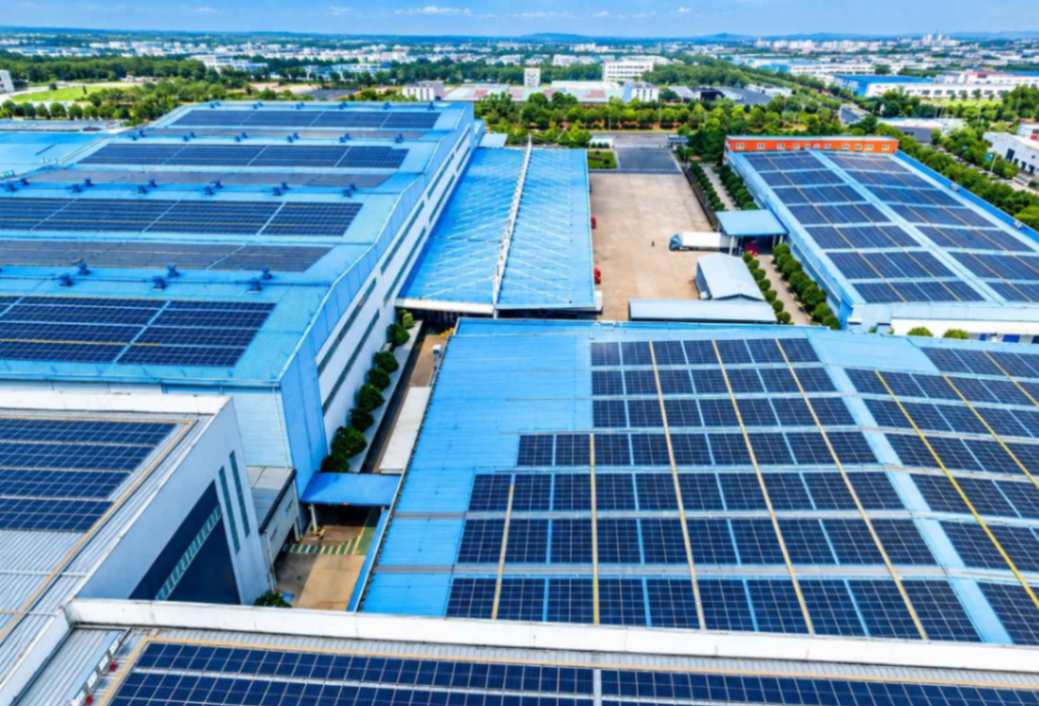
Enerparc’s projects show why site-specific planning matters. At BFW in Bengaluru, we implemented a 1.88 MWp rooftop solar solution. The project shows how an industrial facility can use its available rooftop space to generate solar power.
Delhi International Airport had different site needs. We implemented a 7.85 MWp ground-mounted solar PV system about 150 metres from the runway. The project needed detailed glare analysis and a seasonal tilt mechanism. These measures helped address the site’s operating and safety needs.
Solar generation changes with sunlight, but electricity demand continues throughout the day. As solar becomes a larger part of the power mix, the grid needs to move, balance, and store that electricity.
Transmission is one part of this change. The Ministry of Power says transmission systems have been planned to integrate more than 500 GW of renewable energy capacity by 2030. Inter-state and intra-state transmission systems are being added in phases as new renewable energy capacity comes online to support India’s renewable energy targets.
Storage is another part of the picture. An energy storage system can store electricity when generation is high and release it when demand increases. This can help bridge the gap between solar generation and electricity use.
The Central Electricity Authority projects a storage requirement of 73.93 GW and 411.4 GWh by 2031–32. This includes 47.24 GW of battery energy storage systems and 26.69 GW of pumped storage plants.
These systems matter because solar energy growth in India now involves more than adding new generation. The country also needs better transmission, enough flexibility, and careful power system planning to support the clean energy transition.
The next phase is likely to focus less on adding solar capacity in isolation and more on how that capacity works within India’s wider electricity system and the future of solar energy.
The IEA expects solar PV generation in India to grow by an average of 24% each year through 2030. Solar PV is also expected to meet around 50% of India’s additional electricity demand growth during this period, with its share of total generation approaching 18% by 2030. This growth will add to the role of solar energy in India.
For commercial and industrial users, this wider view changes how renewable energy future projects can be assessed. A solar decision can consider generation potential alongside electricity demand, site conditions, grid arrangements, and future flexibility when evaluating solar panels for electricity.
That approach helps businesses plan for a power system where clean generation isn’t a separate add-on, but an increasingly important part of how electricity is produced and delivered.
Solar power in India has grown from an emerging option into a major part of the country’s energy plans. The next challenge is making sure this growing capacity works well with demand, transmission, storage, and daily operating needs.
For C&I businesses, this changes how solar can be viewed. The focus can go beyond panels and installed capacity. It can also look at how clean power fits the facility, the grid, and future energy needs, while considering the solar energy benefits for long-term planning.
future of solar energy in India will depend on more than how much new capacity is added. It’ll also depend on how well that capacity works with the wider energy system.
India’s stated target is 280 GW of installed solar capacity by 2030, as part of its broader 500 GW non-fossil capacity goal. For you as a C&I energy user, this means solar is expected to become an even larger part of India’s power system.
Solar electricity can be stored for different lengths of time, depending on the storage technology and system design. For many applications, four-hour storage is being considered to cover non-solar hours. The actual duration depends on your energy needs and the storage system selected.
Solar systems are commonly grouped into three types: grid-connected, off-grid, and hybrid systems. Grid-connected systems work with the electricity grid. Off-grid systems operate independently. Hybrid systems combine solar with other power sources or storage. The right option depends on your site and power needs.
A grid-connected solar energy system converts sunlight into electricity. It then supplies power to your facility or the connected electricity network. If solar generation doesn’t match your electricity use at a given time, the grid can help cover the difference. This depends on the applicable connection and power rules.
Neither option is always better. Rooftop solar can use available building space. Ground-mounted systems can support larger projects when suitable land is available. For a business, the better choice depends on the roof condition, available land, electricity demand, site layout, grid access, and project design.