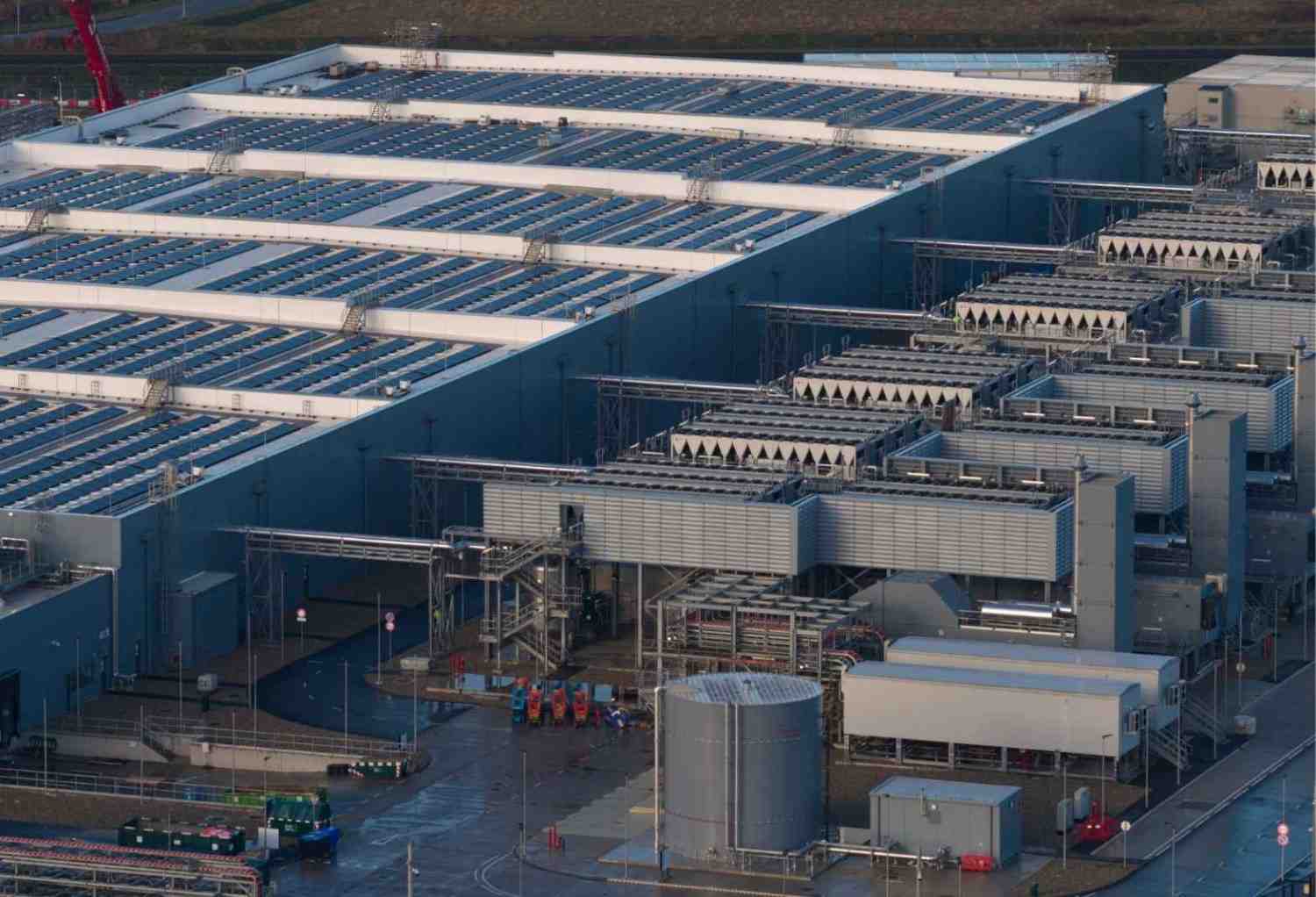
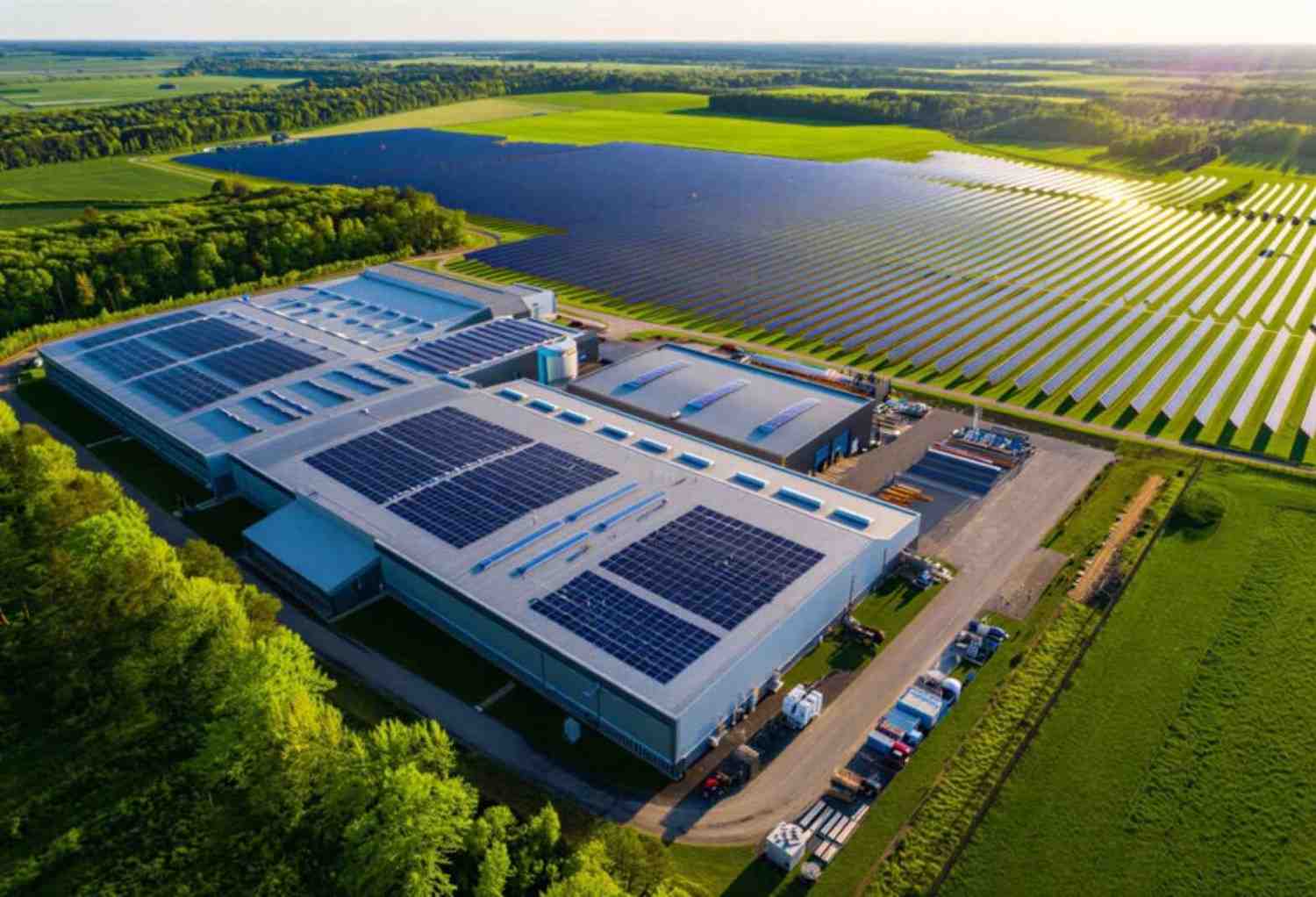
Energy storage systems capture your excess daytime solar energy and release it when you need it most, turning a daytime-only solar setup into a 24/7 clean power solution. The result: lower peak-demand charges, reliable backup during outages, and strong financial returns, with payback in 8–12 years and IRRs often reaching 15–20%.
Remember when early solar adopters celebrated their first low electricity bills, only to realise they still paid hefty charges for evening power? That frustration sparked a revolution. By storing the solar energy your business generates during the day, storage systems let you draw on clean power after sunset, during cloudy spells, and through grid outages slashing your reliance on expensive peak-hour electricity.
For commercial and industrial users manufacturing plants, data centres, hospitals, and commercial complexes this is where solar stops being a partial solution and becomes complete energy independence. Throughout this blog, we’ll explore how energy storage works, the core components behind it, the battery technologies worth knowing, and the real financial returns that make storage a smart addition to your solar investment.
Key Takeaways :
– Round-the-Clock Solar Use: Energy storage allows businesses to use solar power even after sunset, ensuring a steady energy supply.
– Lower Electricity Costs: By reducing peak demand charges and improving energy use, storage systems can significantly cut monthly power bills.
– Reliable Backup Power: During outages, stored energy keeps critical operations running in facilities like factories, hospitals, and data centres.
– Modern, Durable Battery Technology: Today’s systems use efficient lithium-ion and LFP batteries built to perform well even in high-temperature conditions.
– Strong Financial Returns: With tax benefits, incentives, and long-term savings, energy storage can deliver attractive returns over its lifetime.
What Is Energy Storage System?
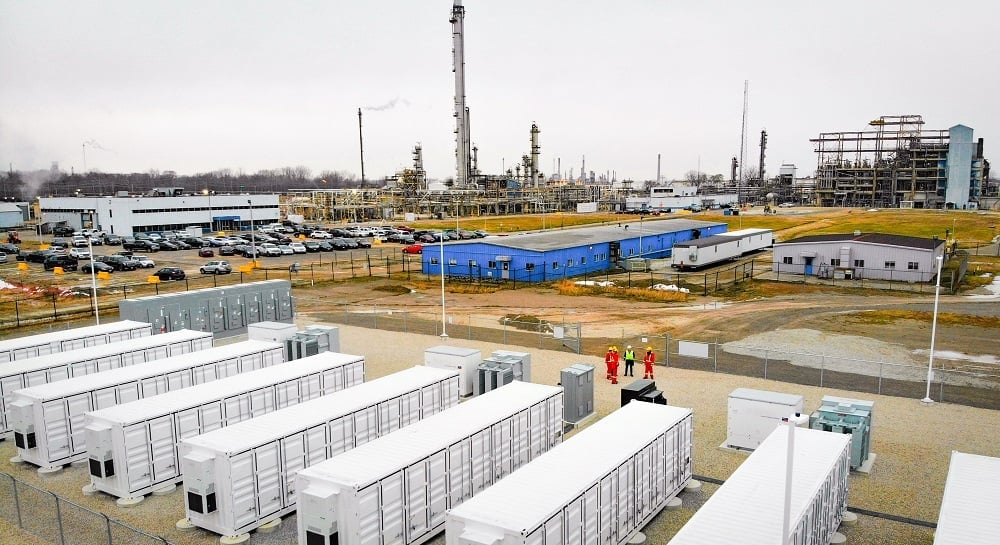
Energy storage systems are advanced battery solutions that capture and store electricity from your solar panels for later use. These industrial-scale systems handle the large energy demands of commercial and manufacturing operations.
These systems work by storing excess solar energy during peak production hours. When the sun sets or during cloudy periods, the stored energy keeps your operations running smoothly. This creates a continuous, reliable energy supply that reduces your dependence on grid electricity.
A C&I solar battery energy storage system combines high-capacity batteries with smart monitoring and industrial-grade safety features. Enerparc works with solar storage installations of large size – ideal for manufacturing plants, data centres, and commercial complexes across the country that need strong power solutions.
Core Components of C&I Power Storage Systems
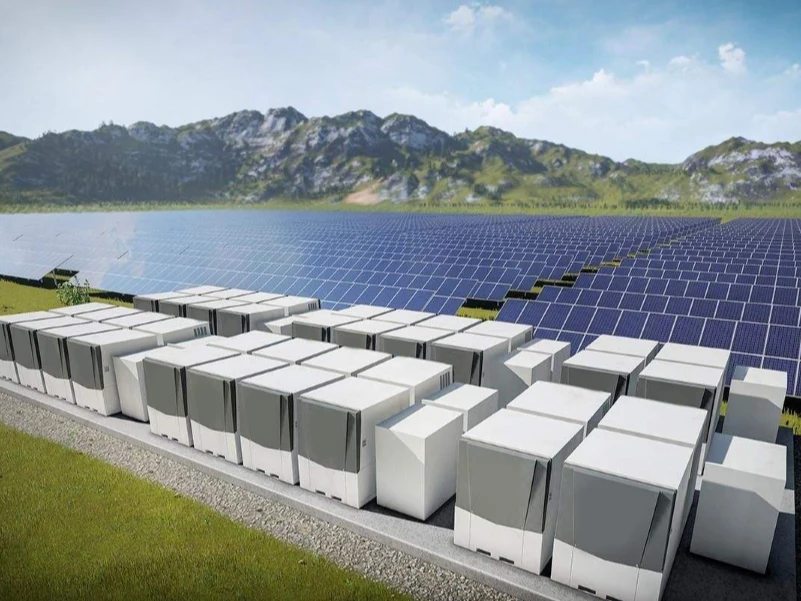
Advanced energy storage systems contain several essential components that help in reliable energy management.
– Battery Management System (BMS) tracks each cell in the battery to make sure that the battery operates safely. It prevents overcharging, regulates the heat, and extends battery life.
– Power Conversion System (PCS) converts DC power from batteries into AC power for your facility. It also converts AC solar power back to DC for storage. This bidirectional conversion ensures maximum efficiency.
– Energy Management System (EMS) regulates the charging and discharging of batteries. It analyses energy demand patterns and optimises storage usage. The EMS can integrate with existing building management systems.
– Battery Modules store the actual energy using lithium-ion technology. These modules are designed for hundreds of charge cycles. They maintain performance even in challenging climate conditions.
– The Thermal Management System maintains an optimum temperature for the batteries. It’s important in hot weather with a temperature above 40 ºC. Proper cooling extends battery life substantially.
– Safety and Fire Protection Systems have emergency shutdowns, smoke detection and fire suppression capabilities. These systems conform to the international safety standards and local regulations.
Related Post: Solar Energy Storage for Commercial & Industrial Use
Benefits of Energy Storage Systems for C&I Users
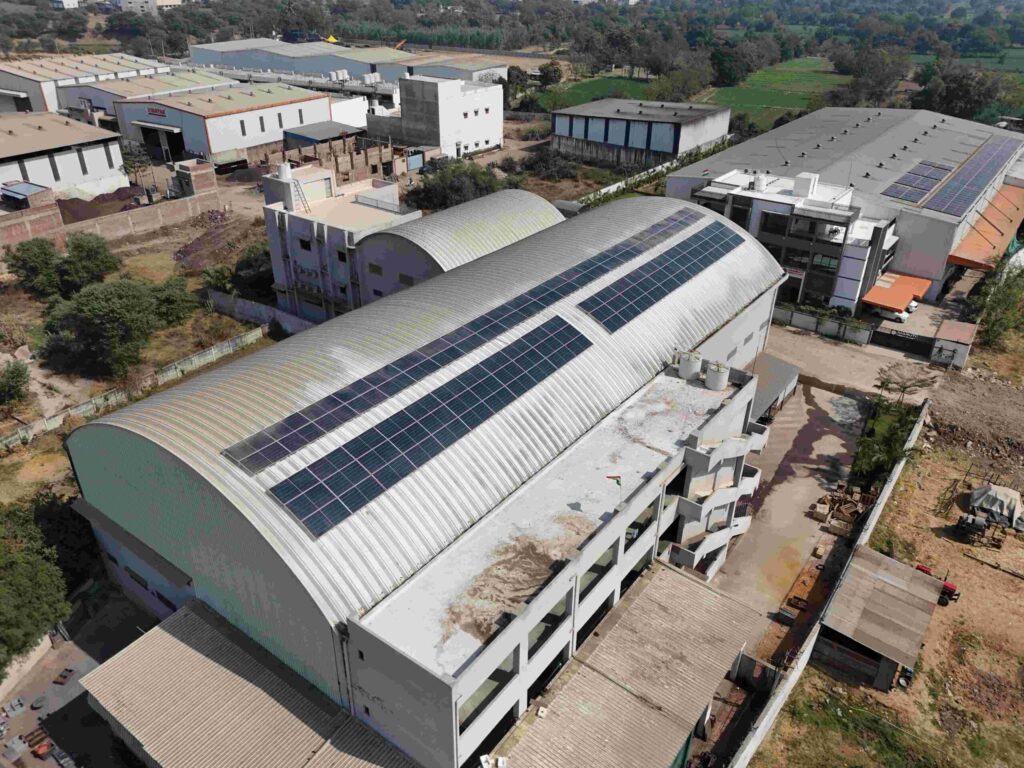
Adding storage to solar systems helps businesses save money, stay powered during outages, and reduce their environmental impact.
– Peak shaving represents the biggest financial benefits of solar battery storage. During peak demand hours (usually 6 AM – 10 AM and 6 PM – 10 PM), electricity rates can be ₹6-16 per unit. Storage systems discharge during these expensive periods, dramatically reducing electricity bills.
– Demand charge reduction helps businesses lower their contracted demand with distribution companies. This can save thousands of rupees in a month of fixed charges.
– Backup power during a grid power outage keeps the operation running. Manufacturing facilities prevent their production downtime. Hospitals maintain critical equipment operations. Data centres prevent server downtime.
– Reduced grid dependence safeguards against power-related problems and voltage fluctuations. This is especially useful in places where grid infrastructure isn’t very stable.
– 24/7 solar utilisation means businesses can use clean energy even at night. This maximises the return on solar investments and reduces the carbon footprint.
Practical Applications and Use Cases of Energy Storage Systems
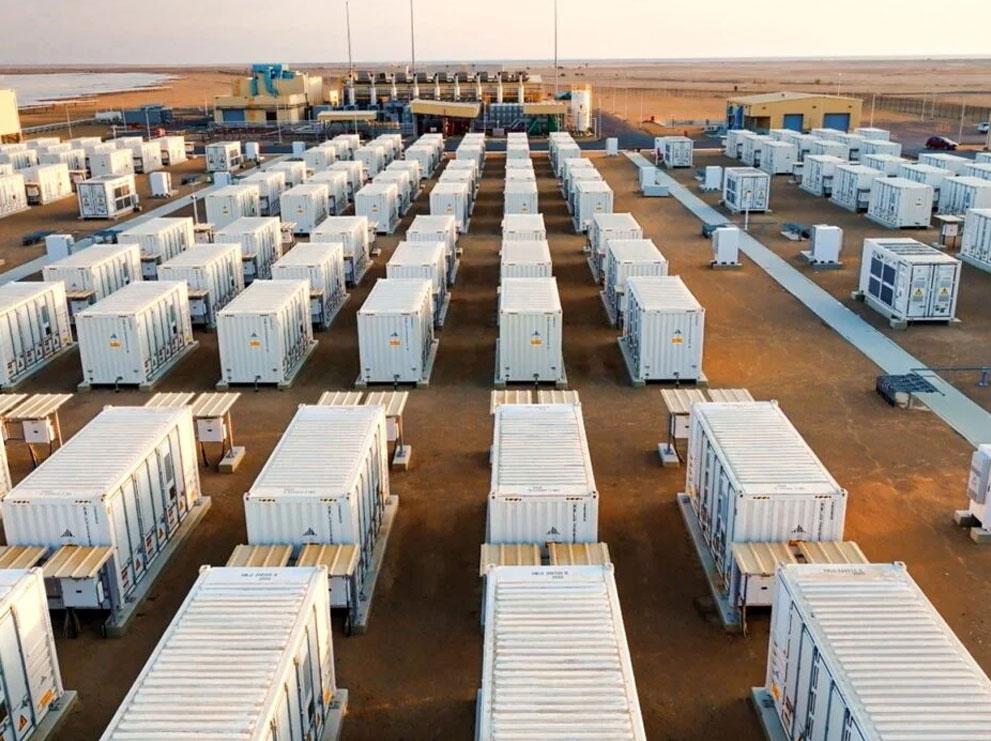
Different types of businesses use energy storage in different ways to solve their specific power challenges and goals.
– Manufacturing facilities benefit enormously from storage systems. Peak load management helps reduce demand charges. Backup power prevents costly production line shutdowns. The paint stores, test centres and welding units have a consistent power quality.
– Data centres require uninterrupted power for servers and cooling systems. Storage systems provide cleaner backup than diesel generators. They improve Power Usage Effectiveness (PUE) scores and cut down operational costs.
– Hospitals and healthcare facilities require reliable power at all times. A solar energy storage system keeps essential equipment operating smoothly during grid outages. Unlike traditional generators, they offer much cleaner and quieter backup power options.
– Commercial complexes, including shopping malls and office buildings, use battery storage for load shifting. Batteries charge up when demand is low and discharge when demand goes up. This approach reduces electricity costs significantly.
– Educational institutions benefit from stable power for laboratories and computer centres. Storage systems support EV charging stations for campus vehicles. This shows their sustainability commitment to students and staff.
– Warehouses and logistics centres operate 24/7 and need reliable power. Storage systems support automated sorting equipment and refrigeration units. They enable solar-powered EV charging for delivery fleets.
Read More: Salt Water Battery Safe & Green Energy Storage
Choosing the Right Solar Battery Storage Solution
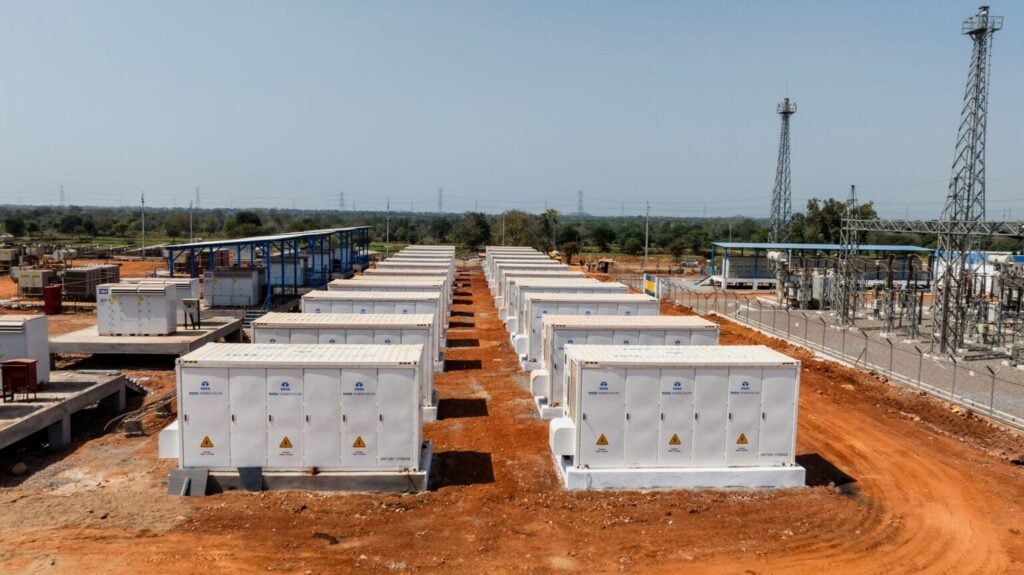
There are several battery types and system designs available, each working better for different business needs and situations.
– Lithium-ion batteries dominate the C&I energy storage market in India. They offer 90-95% efficiency and 3,000-5,000 charge cycles. Current costs range from ₹15,000-20,000 per kWh installed.
– LiFePO4 (LFP) batteries offer improved safety and much longer lifespan. They handle high-temperature conditions very well. These batteries cost slightly more but offer superior reliability.
– Capacity sizing depends on your energy consumption patterns and solar generation. Proper sizing ensures optimal return on investment.
– Integration considerations include existing solar capacity, grid connection type, and load patterns. Large storage systems need careful planning and professional design. Enerparc’s engineering team ensures optimal system configuration.
Related Post: Top Solar EPC Company in India
Financial Benefits & ROI of Energy Storage Systems for Businesses
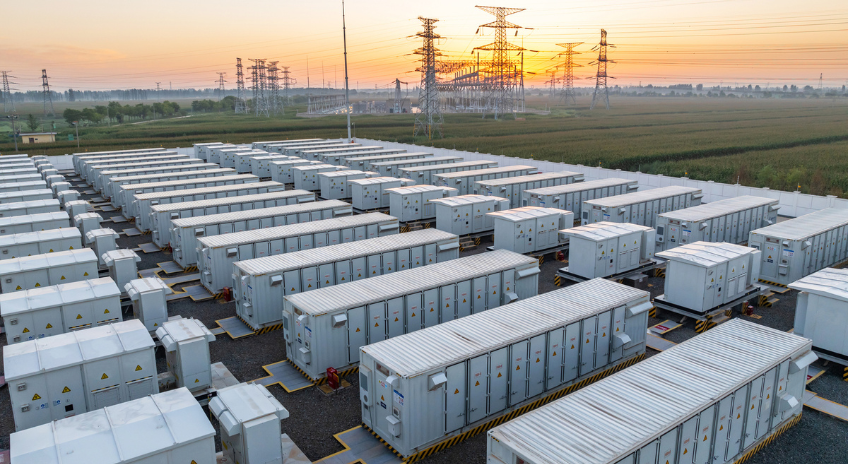
A commercial battery storage system pays for itself over time through lower electricity bills, government support, and new income opportunities.
– Payback periods for storage systems usually range from 8-12 years. This depends on electricity tariffs, solar generation, and usage patterns. Higher electricity costs mean faster payback.
– Government incentives include accelerated depreciation benefits and GST exemptions. Some states offer subsidies for storage systems. The Production Linked Incentive (PLI) scheme supports domestic manufacturing.
– Long-term savings can exceed lakhs annually for large installations. Over 15 years, total savings can often reach several crores. This makes storage systems highly attractive investments.
– Value stacking creates multiple revenue streams. Peak shaving, demand charge reduction, backup power, and grid services all contribute to returns. Some businesses achieve a 15-20% internal rate of return.
Power Your Business with Solar Energy Storage Now!
Energy storage systems change the perception of solar investments from a daytime-only to a 24/7 clean energy solution. They reduce electric bills, offer dependable energy and support sustainability goals. For C&I users, storage systems deliver strong financial returns and practical benefits.
If you’re ready to maximize your solar efficiency and achieve energy independence, reach out to Enerparc online or call us at (+91) 804-941-4941 today.
Frequently Asked Questions (FAQs)
1. What are the benefits of installing an energy storage system for commercial solar users?
Energy storage systems help businesses lower electricity bills, improve power reliability, support sustainability goals, and maximize solar energy usage around the clock.
2. How does an energy storage system work with commercial solar?
An energy storage system stores excess solar power generated during the day and supplies it when solar production is low or demand is high, ensuring efficient and continuous energy usage.
3. What is the lifespan of commercial solar batteries?
High-quality lithium-ion batteries used in commercial energy storage systems usually last 10–15 years with proper maintenance and optimal operating conditions.
4. Can energy storage be added to an existing solar power system?
Yes. Most energy storage systems are designed to integrate easily with existing solar installations, allowing businesses to store excess solar power and use it when needed.
5. What return on investment (ROI) can businesses expect from energy storage systems?
Businesses typically see a payback period of 8–12 years, with significant lifetime savings. Many projects achieve an internal rate of return (IRR) of 15–20%, depending on electricity tariffs, incentives, and usage patterns.