Industrial rooftop solar can cut factory electricity bills by 50% or more, recover its investment in 3–5 years, and deliver 20+ years of nearly free power afterward. With accelerated depreciation (40% in year one), GST input credits, and state-level incentives sweetening the economics, manufacturers across India are turning idle roof space into a major cost-saving and sustainability asset.
Are your electricity bills exceeding what your core operations actually require? Manufacturers are increasingly installing their own industrial solar rooftop systems to save 50% or more. This guide details the financial benefits, execution approach, government incentives, and real use cases to help you decide on a solar solution for your facility.
Key Takeaways
– Cut Power Bills by 50% or More: Industrial rooftop solar systems can reduce factory electricity costs by half, offering predictable and long-term energy savings.
– Fast Payback Period: Most projects recover their investment within 3–5 years, followed by 20+ years of nearly free electricity.
– Attractive Financial Incentives: Businesses can benefit from accelerated depreciation (40%), GST input credits, and state-level policies.
– Customised for Industrial Needs: Systems are designed to match your energy consumption, roof space, and operational requirements.
– Proven Success in India: Companies like Mahindra & Mahindra and Tata Motors have achieved substantial savings and reduced carbon emissions with rooftop solar.
What is Industrial Solar Rooftop?
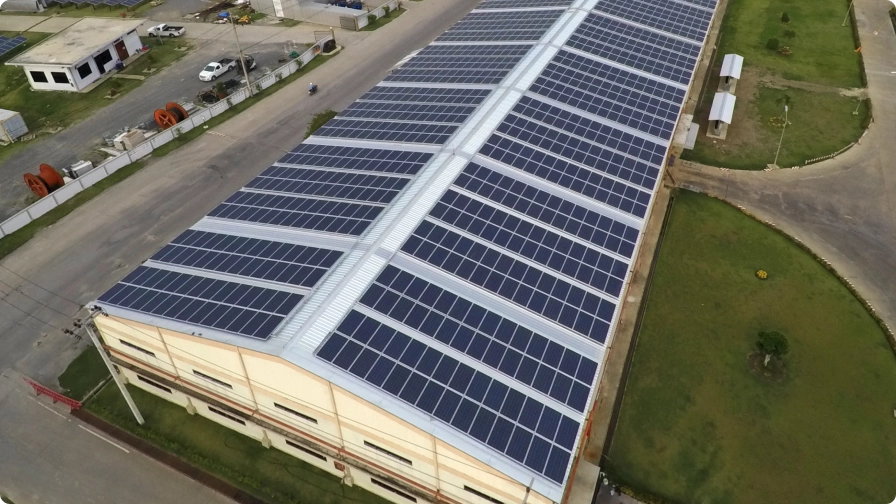
An industrial solar rooftop is a photovoltaic (PV) system that covers an industrial roof with panels set up by a solar company. Most rooftop solar power plants are anywhere between 100kW and a couple of megawatts in size.
An industrial solar system is not the same as a household solar setup; it is built to serve the energy demand of a factory, warehouse and commercial business.
Read More: Understanding I-Recs for C&I Power Buyers to Meet Renewable Goals
Key Components of Industrial Solar Systems
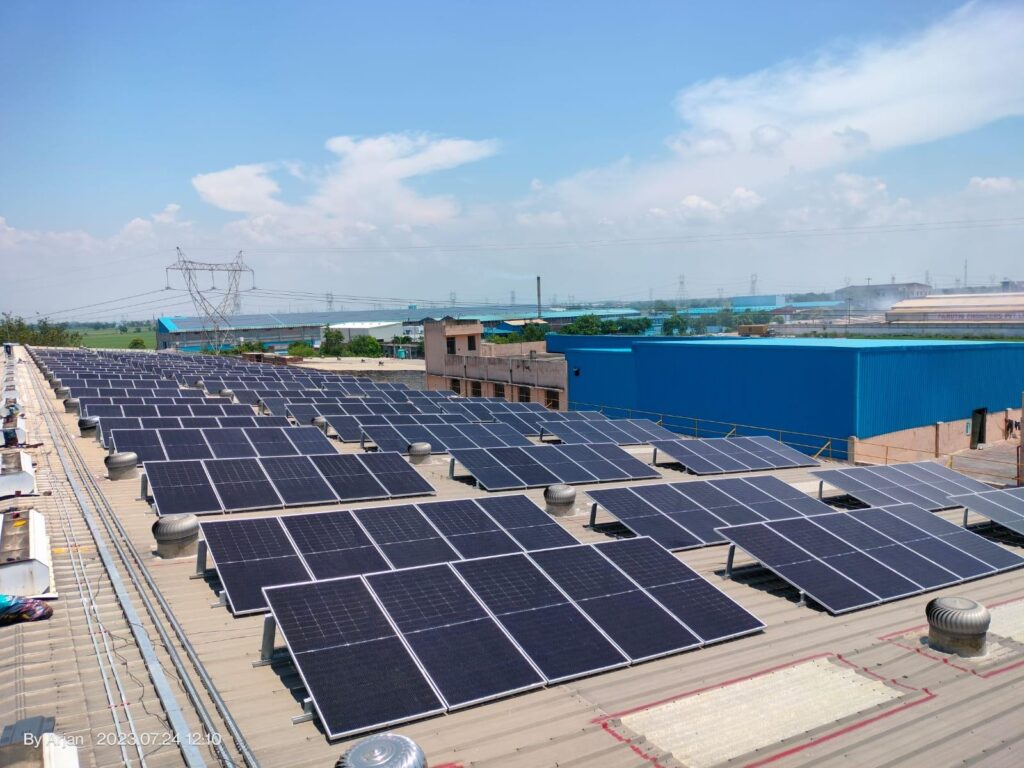
Industrial solar installations consist of several critical components:
– Solar Panels: High efficiency solar panels that convert sunlight into electricity. Modern industrial panels typically range from 540W to 670W per panel.
– Inverters: Convert direct current (DC) from panels into alternating current (AC) for industrial use. String inverters and central inverters are common in large installations.
– Mounting Systems: Robust structures designed to withstand industrial environments and weather conditions.
– Monitoring Systems: Software which monitors energy production and system performance on a real-time basis.
– Grid Connection Equipment: Components to make safe connections to the electrical grid.
Scale and Capacity Considerations
An industrial solar system differs significantly from a residential solar system installation in scale and complexity. A typical 1MW system requires approximately 4,000-5,000 square metres of roof space and can generate 1.4-1.6 million units of electricity annually in India’s climate conditions.
Related Post: The Complete Guide to Understanding C&I Rooftop Solar System Installation Cost and ROI
How Industrial Solar Pays for Itself
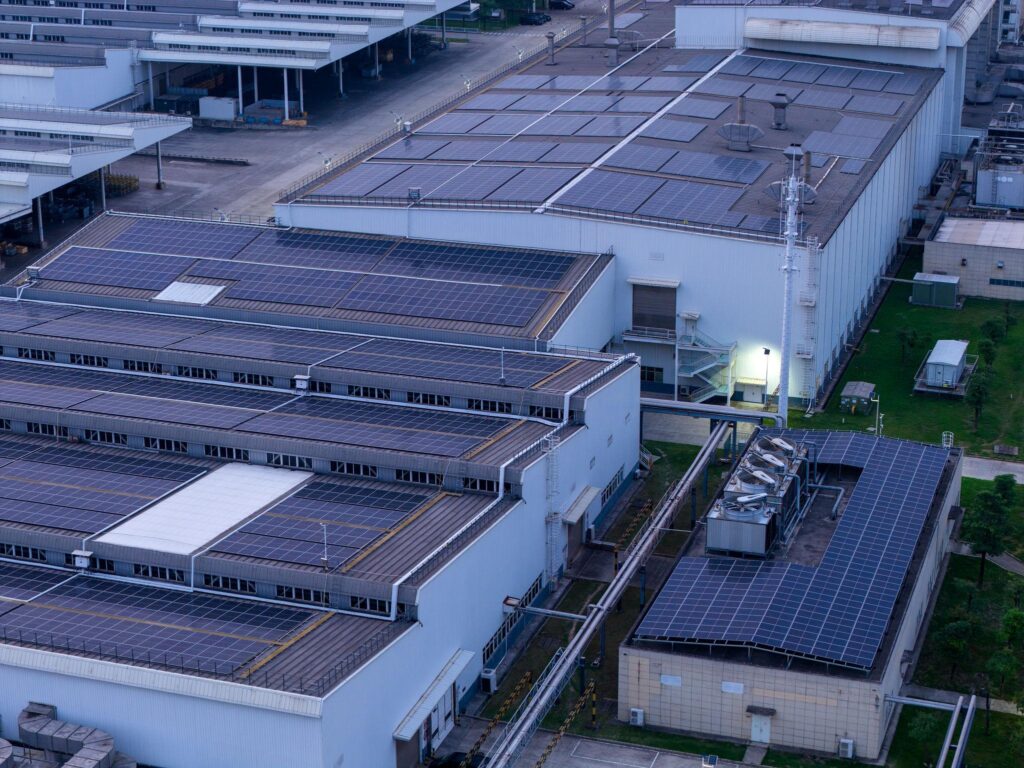
Industrial solar rooftop is cost-efficient in the short term, as it can help lower electricity bills and ensure you have predictable energy charges and attractive investment returns.
Cost Reduction Benefits
Solar panel adoption can reduce around 50-70% electricity bill of an industrial facility. Across multiple states, the commercial electricity tariffs range from ₹6-16 /unit, thereby implying the potential for substantial solar energy savings.
– Protection Against Rising Energy Tariffs: Solar energy offers long-term energy cost stability that shields your business from inflation and rising tariff costs for 25+ years.
– Predictable Energy Costs: With a rooftop solar system, you can have predictable energy costs, which provide you with low-cost electricity, year after year, for decades.
ROI and Payback Period
Current market conditions offer attractive returns on solar investments:
– 3-5 Year Payback Timeline: Most industrial solar projects recover their investment within this timeframe.
– Long-term Savings Calculations: After payback, businesses enjoy 20+ years of virtually free electricity.
Based on current pricing data from 2025, a 500kW system costs around ₹2.25 crores (₹45-50 per watt). The rooftop solar system cost includes equipment, installation, and commissioning. With average savings of approximately 57.6 lakhs annually, the payback period ranges from 3-5 years.
Tax Benefits and Incentives
– Accelerated Depreciation: Under Section 32 of the Income Tax Act, businesses can enjoy 40% of depreciation during the first year.
– GST Benefits: There’s a provision for full input tax credit on the solar equipment and installation process.
– State-specific Incentives: Various states offer additional benefits and subsidies for industrial solar adoption.
Read More: How Industrial Rooftop Solar Can Cut Electricity Costs
Key Benefits of Industrial Solar Rooftop Systems
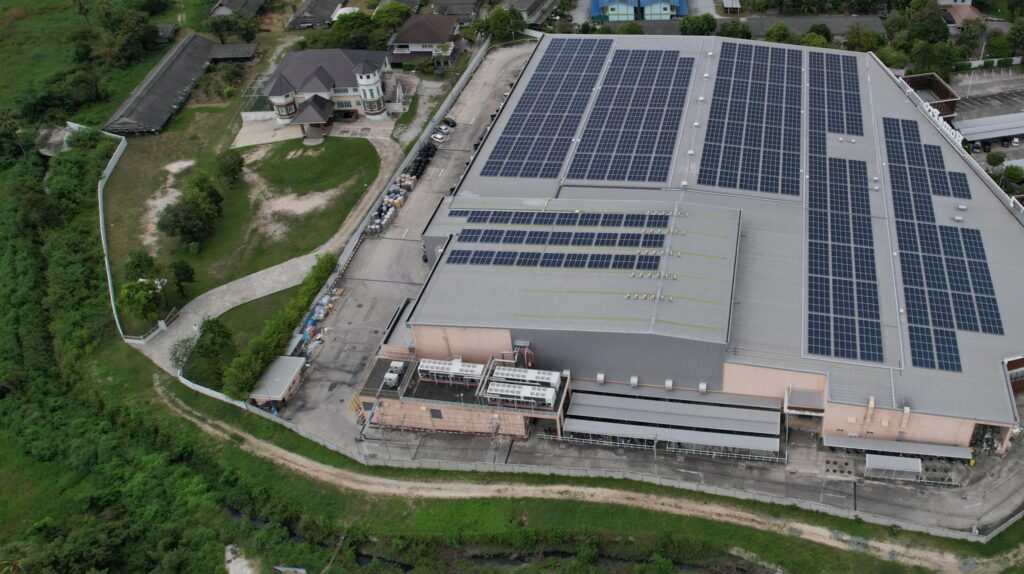
Industrial solar systems present a number of benefits, such as the reduction of rooftop solar PV system cost, energy security, environmental benefits and enhanced corporate sustainability performance.
Financial Benefits
→ Immediate Bill Reduction: Start saving from day one of commissioning.
→ Energy Price Hedging: Protection against a rise in the electricity price in the future.
→ Improved Cash Flow: Save on energy expenditure and redirect to business activities.
Operational Benefits
→ Energy Independence: Less dependence on grid electricity and fewer power cuts.
→ Reliable Power Supply: Rooftop solar panels could supply constant energy throughout the day.
→ Reduced Grid Dependency: Less burden on electrical infrastructure.
Environmental and Brand Benefits
→ Carbon Footprint Reduction: Reduce the carbon footprint of your facility by a significant margin.
→ ESG Compliance: Achieve environmental, social, and governance requirements.
→ Enhanced Brand Reputation: Show commitment to sustainability.
→ Meeting Sustainability Goals: Align with corporate environmental goals.
Is Your Factory Ready for Solar?
Enerparc will examine roof conditions, energy usage profile, financial ability to invest and long-term business strategies in order to determine whether your site is ready to make the transition to solar power.
Roof Suitability Checklist
→ Available Rooftop Space Requirements: A system of 1MW would require around 6,000 square metres of unshaded roof space.
→ Structural Strength Assessment: Roofs have to withstand the added weight of panels and mounting systems (generally weighing 10-20 kg per square metre).
→ Orientation and Shading Analysis: Maximum performance occurs with South-facing roofs having minimum shading.
Energy Consumption Analysis
→ How to Evaluate Your Electricity Bills: Review 12 months of electricity consumption to determine optimal system size.
→ Determining Optimal System Size: Match solar capacity to your daytime energy consumption patterns.
Business Readiness Factors
→ Budget Considerations: Evaluate the amount of capital or funds.
→ Long-term Business Plans: Ensure solar investment aligns with facility usage plans.
Types of Industrial Solar Solutions
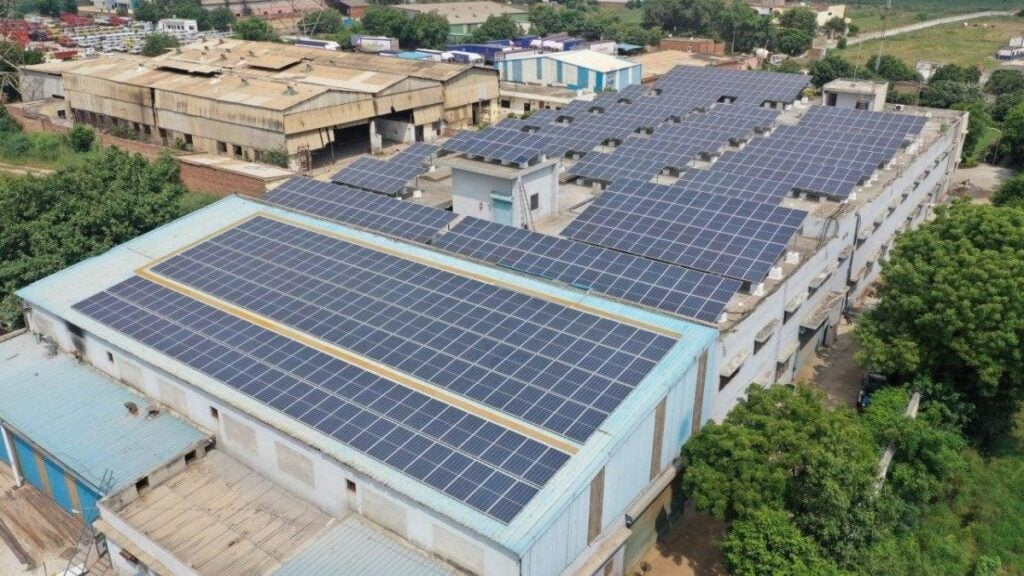
Different solar system configurations can be provided to suit different industrial applications, from basic grid-tied systems to advanced hybrid solutions.
a) Grid-tied Systems (Most Common)
Connected to the electrical grid so that you can use solar power throughout the day and grid power when it’s required. Excess solar power can feed back into the grid with net metering.
b) Hybrid Systems (With Battery Backup)
Combine grid connection with battery storage for enhanced energy security and power during outages.
c) Off-grid Systems (For Remote Locations)
Standalone systems with battery storage for facilities without grid connectivity.
System Sizing Guide
→ 500kW Systems: Suitable for medium-scale manufacturing units consuming approximately 2,000 units (2 MWh) daily and 60,000 units (60 MWh) monthly.
→ 1MW+ Systems: Ideal for large industrial facilities with high energy consumption.
Success Stories: Businesses Saving with Solar
All successful examples of these businesses show significant cost savings achieved with the help of solar energy, a decreased level of carbon emissions, and better working performance.
Case Study 1: Mahindra & Mahindra
At Mahindra, the company has commissioned more than 50MW of solar power on its premises with an annual savings of 30 crore. The development of their comprehensive solar strategy shows how large manufacturers can cut operational expenses by a large margin.
Case Study 2: Tata Motors
Tata Motors also set up a rooftop solar plant with a capacity of 2MW at their Gujarat plant, which saves them ₹3 lakh annually and reduces carbon emissions by 2,700 tons each year.
The Installation Process: What to Expect
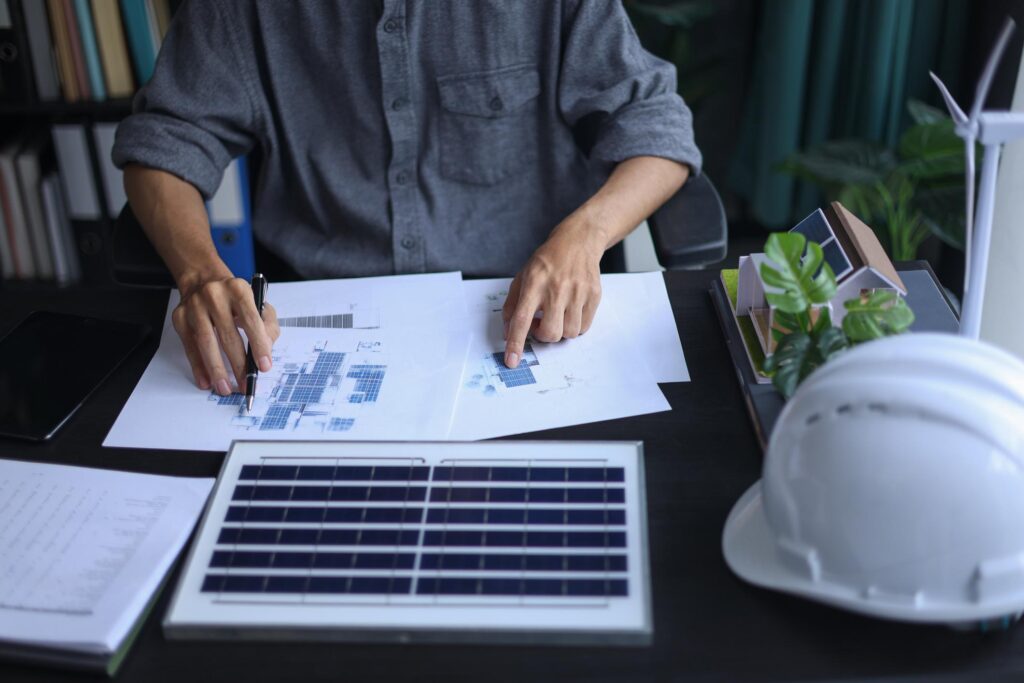
Installing solar has a structured process. The whole process starts with the preliminary assessment and concludes with final commissioning to make sure that the implementation is good to deliver optimum output.
Step 1 – Site Assessment and Energy Audit: Technical analysis of your facility’s energy consumption patterns, roof condition, and solar potential.
Step 2 – System Design and Proposal: Custom-designed system to meet your level of energy demand, roof structure and budgetary requirement.
Step 3 – Approvals and Documentation: Obtaining necessary permits, approval to be connected to the grid and clearance by the regulator.
Step 4 – Installation Timeline: The average timeframe for installation is 12-16 weeks, although this can vary depending on system size and complexity.
Step 5 – Commissioning and Monitoring: Testing of the system, grid synchronisation, and installation of the monitoring device.
Step 6 – Maintenance and Support: Support and continuous maintenance of the system and monitoring of performance so that the system functions optimally.
Related Post: Ground Mounted Solar Panels vs Roof Solar Panels: Which Is Right for Your Property?
Investment and Financing Options
Various financing options are available to fund solar adoptions, such as direct purchase, leasing, and specialised renewable energy loan products.
CAPEX Model (Outright Purchase)
Direct ownership provides maximum long-term benefits and full tax advantages.
OPEX Model (Solar Leasing/PPA)
Solar can be availed with a bare minimum upfront investment through Power Purchase Agreements.
Financing Options Available
→ Bank Loans: Commercial banks offer solar project financing at good rates.
→ IREDA Financing: Specialised renewable energy financing at competitive rates of interest.
Government Subsidies and Support Schemes
There are hardly any direct state subsidies to industrial solar, although businesses get accelerated depreciation and other tax benefits.
Cost Breakdown and Pricing Transparency
Current pricing for industrial solar systems ranges from ₹45-50 per watt for 500kW systems, including:
→ Solar panels: 50-55% of total cost
→ Inverters: 10-15% of total cost
→ Mounting structures: 15-20% of total cost
→ Installation and commissioning: 10-15% of total cost
Maintenance and Performance Monitoring

The solar systems don’t demand a lot of maintenance but rather provide extensive monitoring systems, which guarantee their consistent performance and optimum energy production.
Minimal Maintenance Requirements
Solar systems are easy to maintain, and all that’s needed is cleaning of the solar panel and regular check-ups.
Performance Monitoring Systems
High-end monitoring systems give real-time data on performance and raise alerts on any problems.
Warranty Coverage
Solar panels: 25-35 year performance warranty
Inverters: 5-10 year product warranty
Installation: 5-10 year workmanship warranty
Long-term Support Services
Professional maintenance services ensure optimal performance throughout the system’s 25+ year lifespan.
Related Post: Top Solar EPC Company in India
Take Control of Your Energy Expenses Now!
Industrial solar rooftop systems have a record of saving up to 50% of power bills or even higher. Solar adoption also brings good financial and environmental returns in the form of attractive payback periods and government incentives.
Funding isn’t a problem, and the technology isn’t new. And the time to act is now. When you’re ready to discuss the best rooftop solar panels for your business, just connect with Enerparc online or call us at (+91) 804-941-4941 today.
Frequently Asked Questions (FAQs)
1. How much roof space is needed for a 1MW industrial solar system?
A 1MW rooftop solar setup typically requires around 6,000 square metres of shadow-free roof space.
2. What is the average cost of installing an industrial solar rooftop system?
As of 2025, the cost ranges between ₹45–50 per watt. For example, a 500kW system costs about ₹2.25 crore, including installation and commissioning.
3. How long does it take to install an industrial rooftop solar system?
The complete process—from site assessment to commissioning—usually takes 12–16 weeks, depending on system size and site conditions.
4. Can my factory still use grid electricity after installing solar?
Yes. Most setups are grid-tied systems, allowing you to use solar power during the day and grid power when needed, with the option of net metering for excess generation.
5. What are the maintenance requirements for an industrial solar plant?
Maintenance is minimal—mostly cleaning panels and routine inspections. Modern monitoring systems help track performance and alert you to any issues in real time.