
let’s preserve the environment by using solar panels
Contact Us 
The RESCO model lets your business go solar with zero upfront investment. A third-party provider owns, installs, and maintains the system. You simply buy the power at ₹2–5 per unit, far below grid tariffs of ₹6–16. You save from day one, carry no maintenance or performance risk, and keep your capital free for core operations.
Buying solar panels outright means paying ₹4–5 crore upfront for a 1MW system and shouldering all maintenance, performance, and efficiency risk yourself. RESCO works completely differently. You pay nothing initially, let experts manage everything, and enjoy immediate savings while someone else owns and runs the system on your property.
This stark contrast explains why so many Indian businesses from MSMEs and manufacturers to hospitals and educational institutions are switching approaches. Throughout this blog, we’ll examine whether the RESCO model actually saves money for your business, how it compares to buying outright (CAPEX), which industries benefit most, and what government policies under MNRE, PM-KUSUM, and the Green Open Access Rules are accelerating its adoption.
– Zero Upfront Investment: Businesses can install solar systems without any capital expenditure the RESCO provider owns, operates, and maintains the system.
– Instant Savings:Power is supplied at ₹2–5 per unit compared to grid tariffs of ₹6–16, delivering immediate cost reductions from day one.
– Risk-Free Operation: All maintenance, performance, and operational risks are handled by the RESCO provider, ensuring consistent generation and peace of mind.
– Improved Cash Flow & Flexibility: RESCO functions as off-balance sheet financing freeing capital for core operations and improving liquidity.
– Government-Backed Growth:National and state-level policies under MNRE and PM-KUSUM are actively promoting RESCO adoption for commercial, institutional, and MSME users.
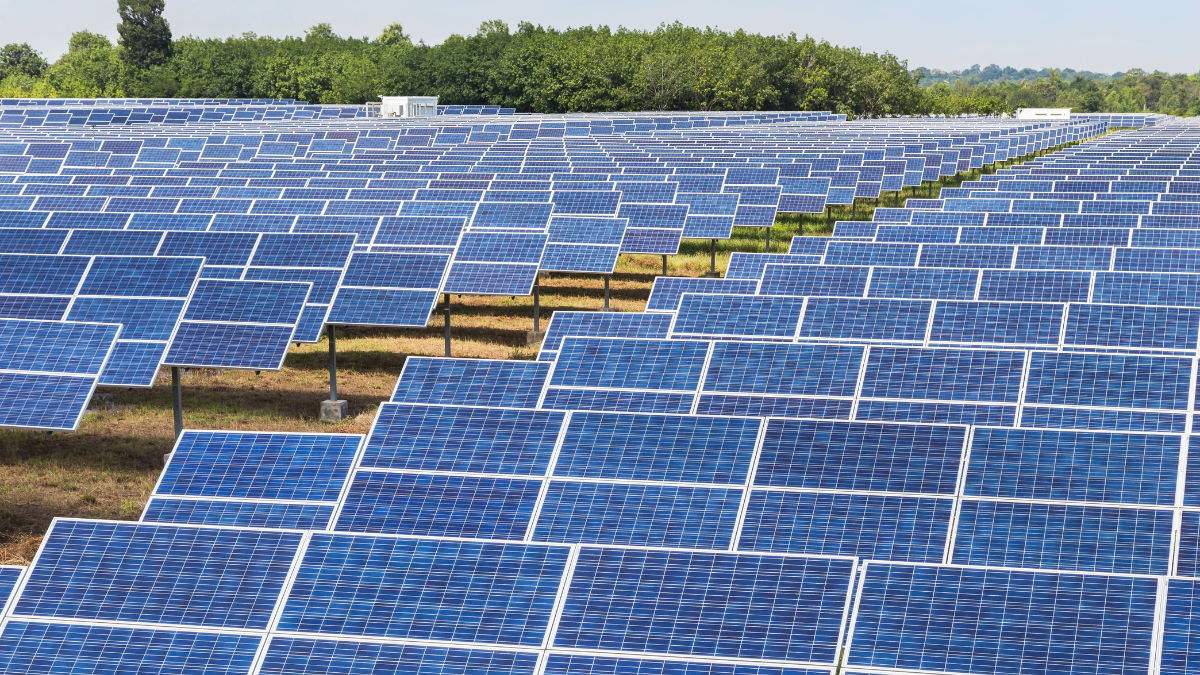
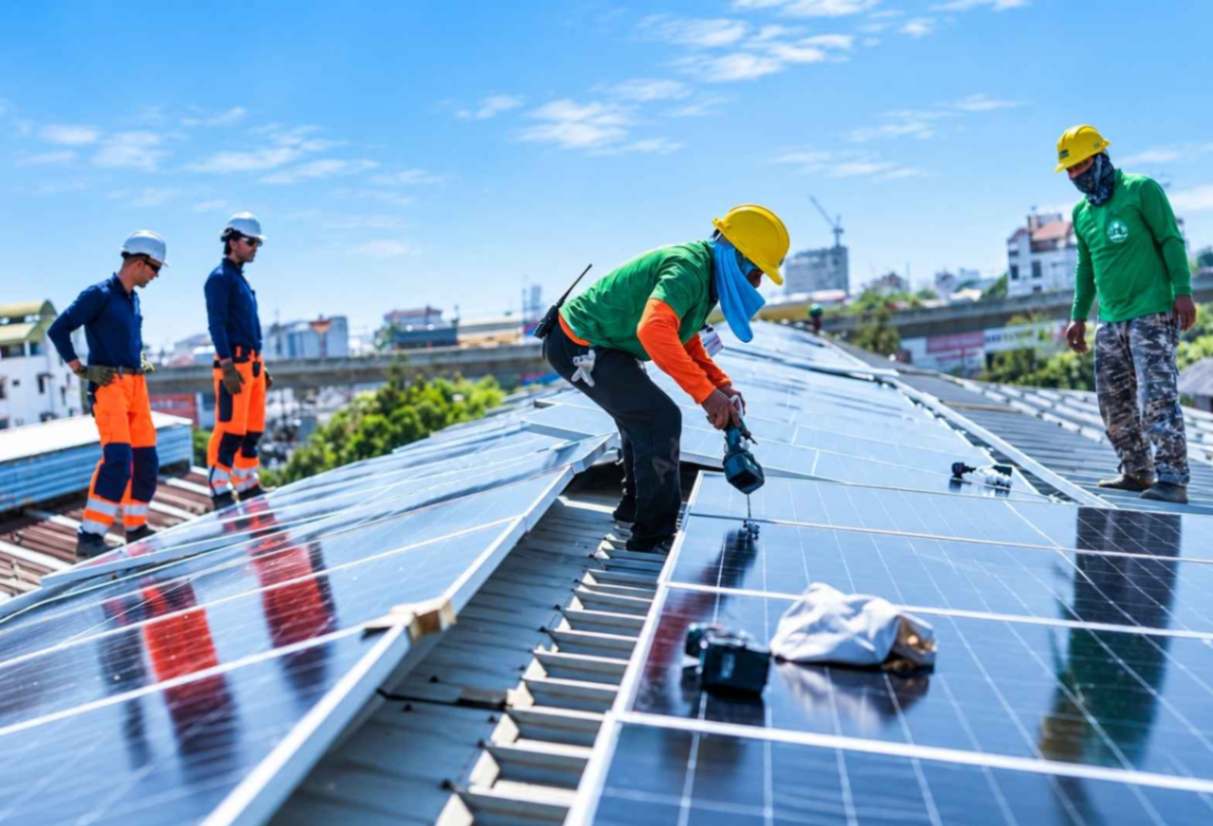
RESCO model in solar stands for Renewable Energy Service Company. This financing approach allows you to access solar power without any upfront investment. A third-party developer owns, installs, operates, and maintains the solar system on your property.
Under this model, you sign a Power Purchase Agreement (PPA) for 10-25 years. You pay only for the electricity consumed at predetermined rates. The RESCO provider handles all technical aspects, maintenance, and performance risks.
This model works particularly well for businesses with huge electricity consumption. This makes projects financially viable for RESCO providers while offering substantial savings to you.
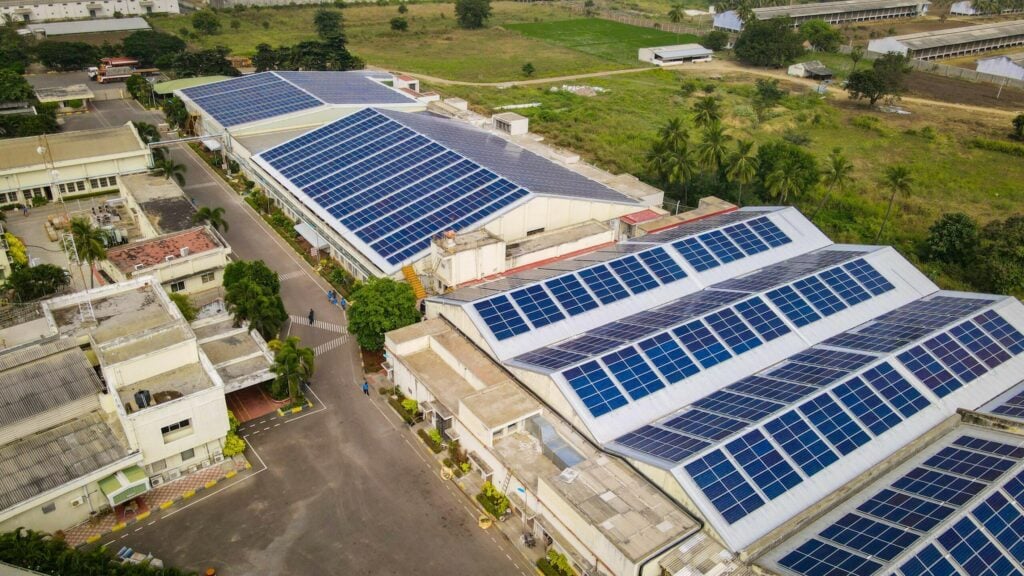
Each financing approach comes with specific pros and cons. Knowing about these key differences enables you to make the best solar investment decision possible.
CAPEX Model:
→ Requires ₹4-5 crores upfront investment for 1MW capacity
→ You own the entire solar system
→ Responsible for all maintenance costs
→ Eligible for accelerated depreciation benefits
RESCO Model:
→ Zero upfront investment required
→ RESCO provider owns the system
→ All maintenance included in PPA tariff
→ No depreciation benefits but immediate savings
In CAPEX, you bear all performance and maintenance risks. Equipment failures, weather damage, or efficiency drops directly impact your returns.
RESCO transfers these risks to the provider. They guarantee system performance and handle all repairs. This risk transfer is particularly valuable for businesses focusing on core operations rather than energy management.
CAPEX typically offers higher savings after a 5-7 year payback period. However, the RESCO solar model provides immediate cost reductions from day one. Over 20 years, CAPEX may generate higher total savings, but RESCO offers predictable costs and guaranteed performance.

Evaluating financial impact requires examining multiple factors beyond initial costs. This analysis reveals true economic value for your business operations.
RESCO model solar in India delivers instant electricity cost reductions. You typically start saving on your current electricity bills immediately. These savings continue throughout the contract period without any capital investment.
Current grid tariffs for commercial users range from ₹6-16 per unit across states. The model typically offers power at ₹2-5 per unit, creating substantial monthly savings.
The model improves cash flow by eliminating large capital expenditures. You can redirect this capital towards core business growth or other investments with potentially higher returns.
It operates as off-balance sheet financing. This doesn’t affect your debt-to-equity ratios or credit capacity for other business needs. Monthly electricity costs become predictable with fixed or mildly escalating tariffs. This helps in better financial planning and budgeting.
Traditional CAPEX requires a 5-7 year payback period. The RESCO model provides immediate positive cash flow from month one. While total lifetime savings may be lower than CAPEX, the immediate benefits and risk transfer often justify the choice.
For businesses prioritising cash flow and risk management, the RESCO model offers superior financial flexibility.
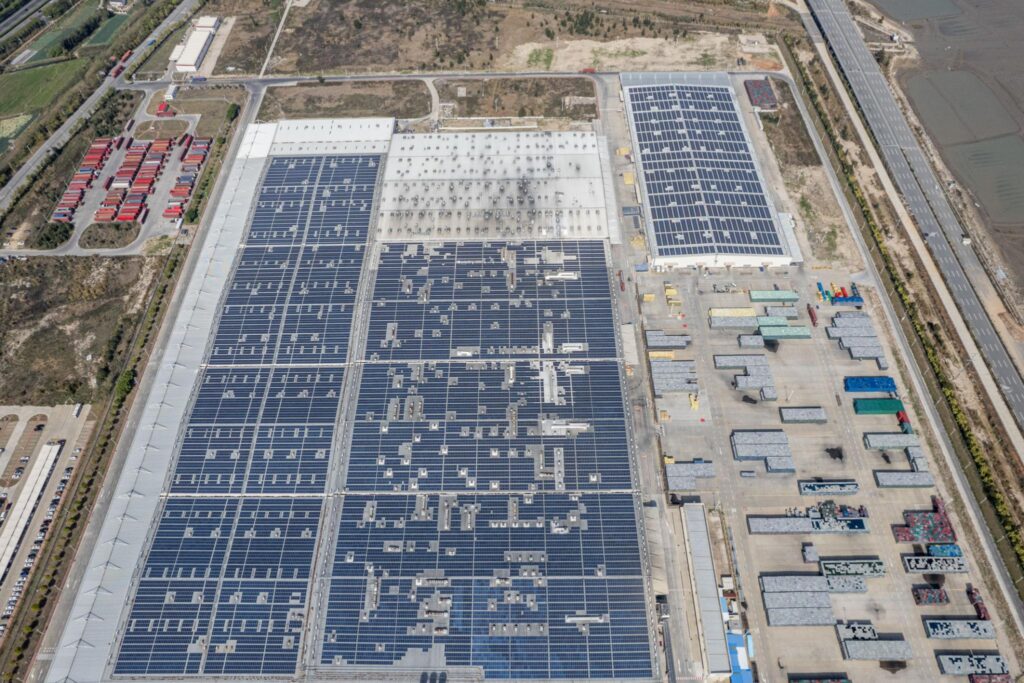
Certain business types and situations make this model particularly advantageous. The knowledge helps in deciding the best approach for financing solar.
→ MSMEs with Limited Capital: Small and medium enterprises often lack funds for solar investment. The model enables them to access solar benefits without straining their finances.
→ Energy-Intensive Industries: Manufacturing units, textile mills, and chemical plants with high electricity consumption benefit significantly from immediate cost reductions.
→ Businesses Prioritising Cash Flow: Companies preferring to invest capital in core business activities rather than infrastructure find the model attractive.
→ Manufacturing Units: Predictable energy costs help in better product pricing and margin management. The model helps reduce operational expenses without affecting production capacity investments.
→ IT Parks and Data Centres: These facilities need a power supply 24/7 for their operation. You can save the maximum when the grid tariffs are at their peak with solar solutions.
→ Warehouses and Logistics: The large roof spaces make them ideal for solar. Immediate cost savings improve operational efficiency.
→ Educational Institutions: Schools and colleges can save on operational expenditure without depriving educational infrastructure of funds.
→ Healthcare Facilities: Hospitals can redirect capital towards medical equipment while reducing energy costs through the RESCO.
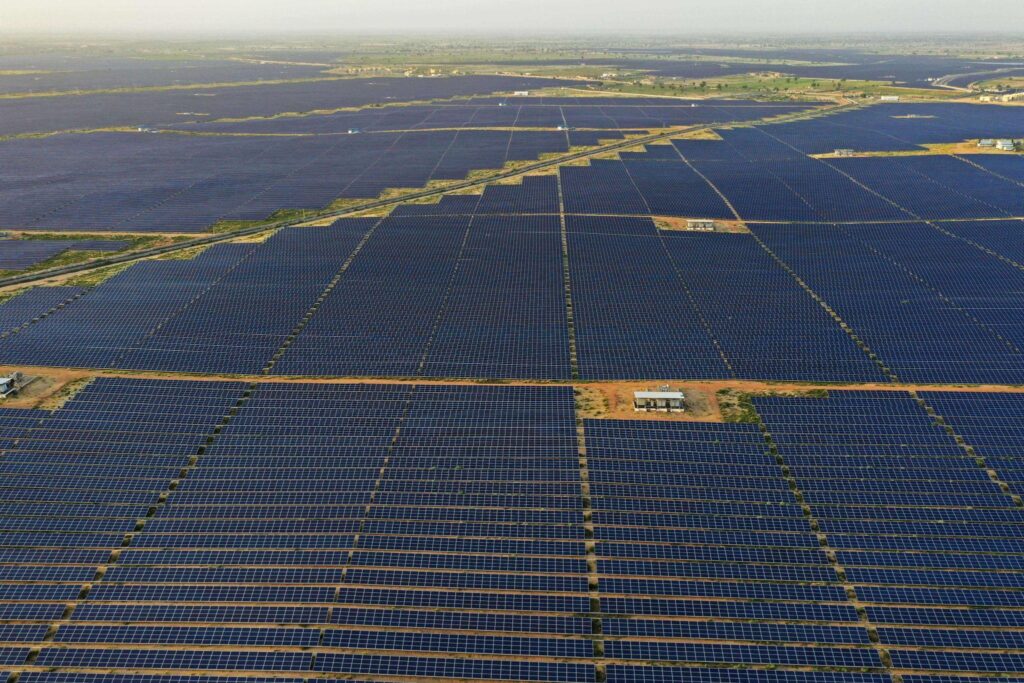
The Government of India believes that the RESCO model can help solar adoption across India.
→ The MNRE Rooftop Solar Programme Phase II has provisions encouraging RESCO arrangements for specific institutional users who wish to adopt solar energy but can’t afford the upfront cost.
→ The PM-KUSUM Scheme’s (Component C) specifically allows RESCO projects to serve rural power feeders and government buildings, bringing clean energy to areas that need it most.
→ The Green Open Access Rules introduced in 2022 have opened new doors as well. Through these rules, consumers can now procure solar power directly through the RESCO arrangement that allows them a flexible way to source electricity.
→ Delhi’s Solar Policy actively promotes the installation of this model in schools, hospitals, and commercial buildings.
→ States like Maharashtra, Gujarat, Tamil Nadu, Punjab, Rajasthan, and Haryana have developed net metering and open-access frameworks that work well with RESCO projects.
→ Uttar Pradesh has taken a particular interest in helping small and medium businesses access solar through third-party ownership models.
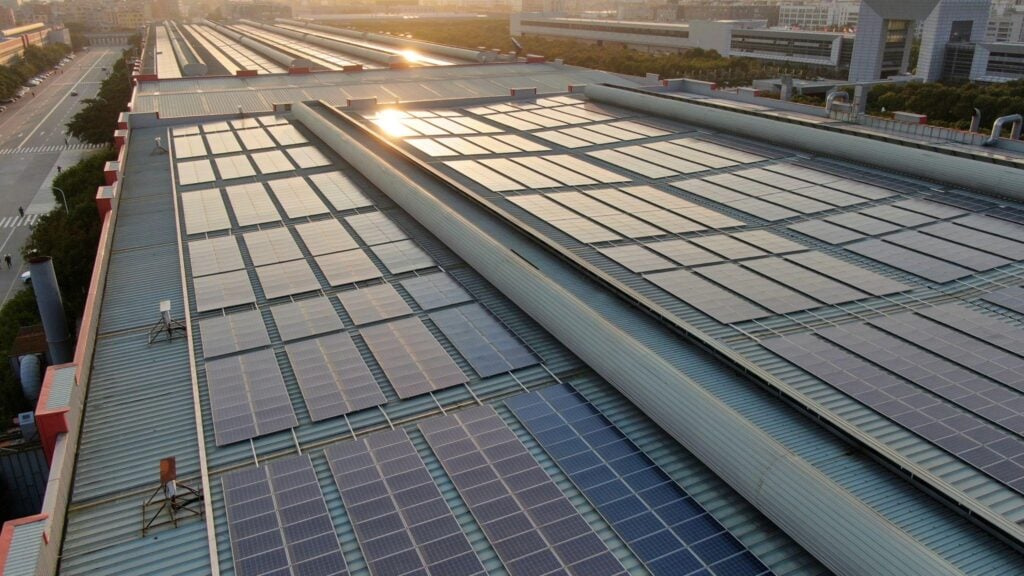
Businesses are usually reluctant because it looks so uncertain and full of risk. Knowing how to address these concerns will assist in their confident decision-making.
Some businesses are sceptical of the 10-25 year contract period. However, RESCO model agreements typically include performance guarantees and maintenance commitments that protect your interests. Most contracts allow for capacity expansion if you need to grow your business.
Leading RESCO providers maintain peak system performance throughout your entire contract. They monitor systems remotely and provide swift maintenance when required. Penalty clauses guarantee you receive the promised electricity generation levels.
The RESCO agreements are dynamic in terms of upgrading technologies, changes in capacity, and changing business needs. Force majeure clauses also protect the two parties in case of unanticipated events that could affect the performance of systems or the operation of the business.
RESCO providers typically upgrade systems during the contract period to maintain efficiency. This ensures you benefit from technological improvements without additional investment.
Choose reliable RESCO providers with proven track records and strong financial backing. Look for companies with 24/7 monitoring capabilities and local maintenance teams.
Related Post: Top Solar EPC Company in India
RESCO model solar delivers genuine cost benefits for Indian businesses through zero upfront costs, instant savings, and complete risk elimination. Whilst traditional ownership offers better long-term returns, RESCO provides immediate advantages with guaranteed performance. This makes it perfect for companies focused on cash flow and core operations.
If you’re ready to reduce energy costs without investment risks, Enerparc can guide you through RESCO solutions. Contact us online or call (+91) 804-941-4941 today.
RESCO stands for Renewable Energy Service Company, a model where a third-party developer installs and maintains the solar plant while you pay only for the power used.
Contracts typically range from 10 to 25 years, with options for renewal or early buyout depending on your agreement.
Yes. You continue receiving grid supply; solar power offsets part of your consumption, reducing overall energy bills.
RESCO providers include performance guarantees in the PPA. If generation falls below agreed levels, penalty clauses protect the customer.
Absolutely. Since there’s no upfront investment, SMEs with limited capital can benefit the most by lowering operating costs without financial strain.