

let’s preserve the environment by using solar panels
Contact Us 
International Renewable Energy Certificates (I-RECs) let C&I businesses prove and claim renewable energy usage without needing on-site solar or wind infrastructure. Each I-REC represents 1 MWh of certified renewable electricity, is recognized in over 50 countries for Scope 2 emissions reporting under frameworks like CDP, RE100, and GHG Protocol, and offers a fast, flexible, low-capital path to meeting sustainability goals.
As businesses worldwide face mounting pressure to adopt renewable energy, I-RECs have emerged as a powerful tool for Commercial and Industrial power buyers allowing them to track and claim clean energy usage even when direct access to renewable sources is limited. This guide breaks down what I-RECs are, how they work, their benefits, and how they help meet sustainability mandates.
– I-RECs allow C&I businesses to prove renewable energy usage without needing on-site solar or wind infrastructure.
– They are globally recognized for Scope 2 emissions reporting and ESG compliance under frameworks like CDP, RE100, and GHG Protocol.
– I-RECs offer a fast, flexible, and cost-effective pathway to meet renewable energy goals across multiple markets.
– Each I-REC represents 1 MWh of certified renewable electricity and is securely retired to ensure transparency and prevent double counting.
– They can be seamlessly integrated into broader sustainability strategies alongside on-site solar, PPAs, and decarbonization initiatives.
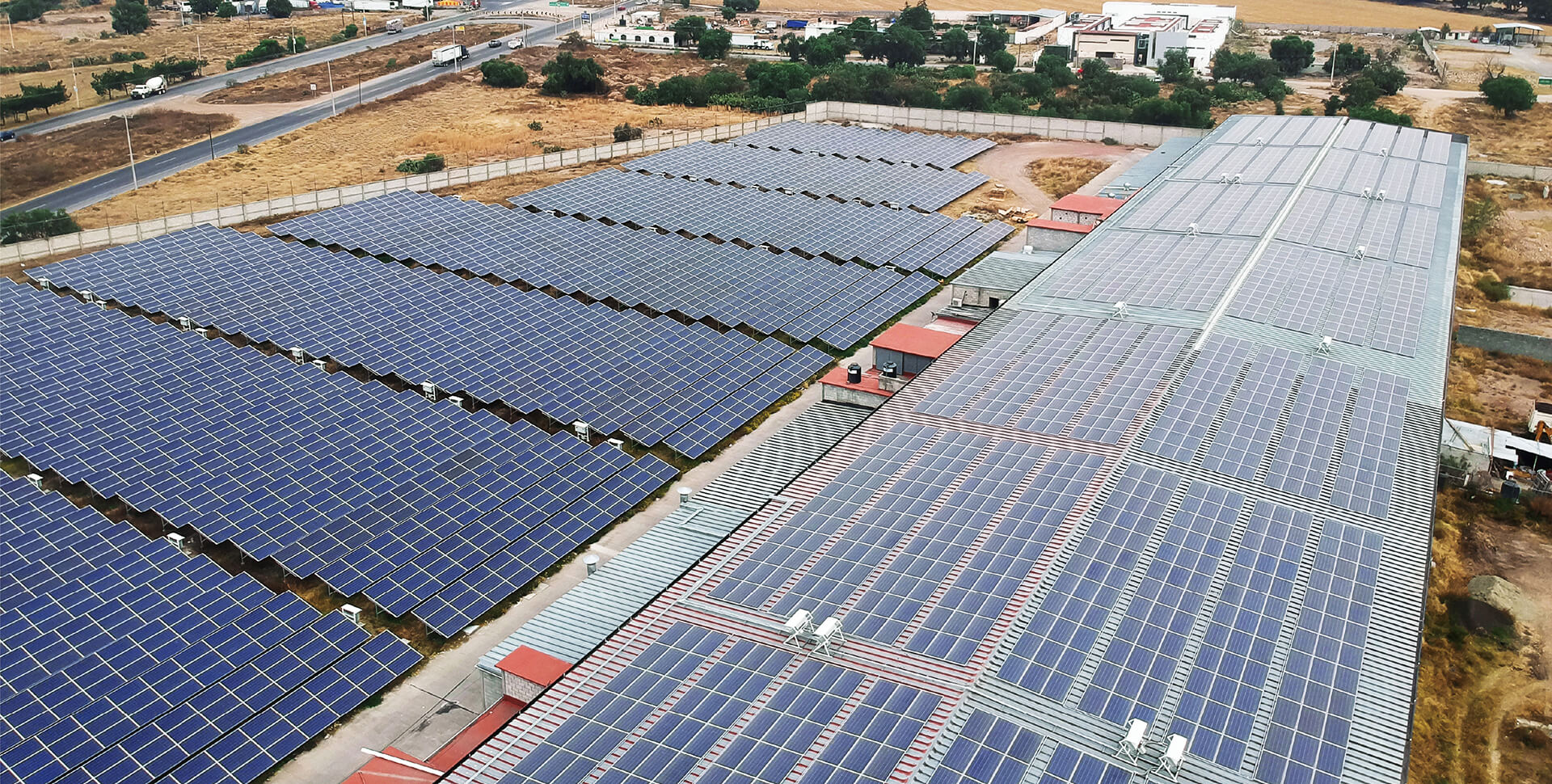
I-RECs are globally recognized renewable energy certificates for businesses that prove electricity was generated from renewable sources such as solar, wind, hydro, and biomass. They serve as traceable proof that businesses are using clean energy, even if they operate in regions where direct renewable energy procurement is challenging.
How I-RECs Work

1. Compliance with Renewable Energy Mandates
Many countries and regulatory bodies mandate businesses to reduce carbon footprints. I-RECs help C&I power buyers meet sustainability goals without requiring on-site renewable infrastructure.
2. Supporting Carbon Reduction & ESG Targets
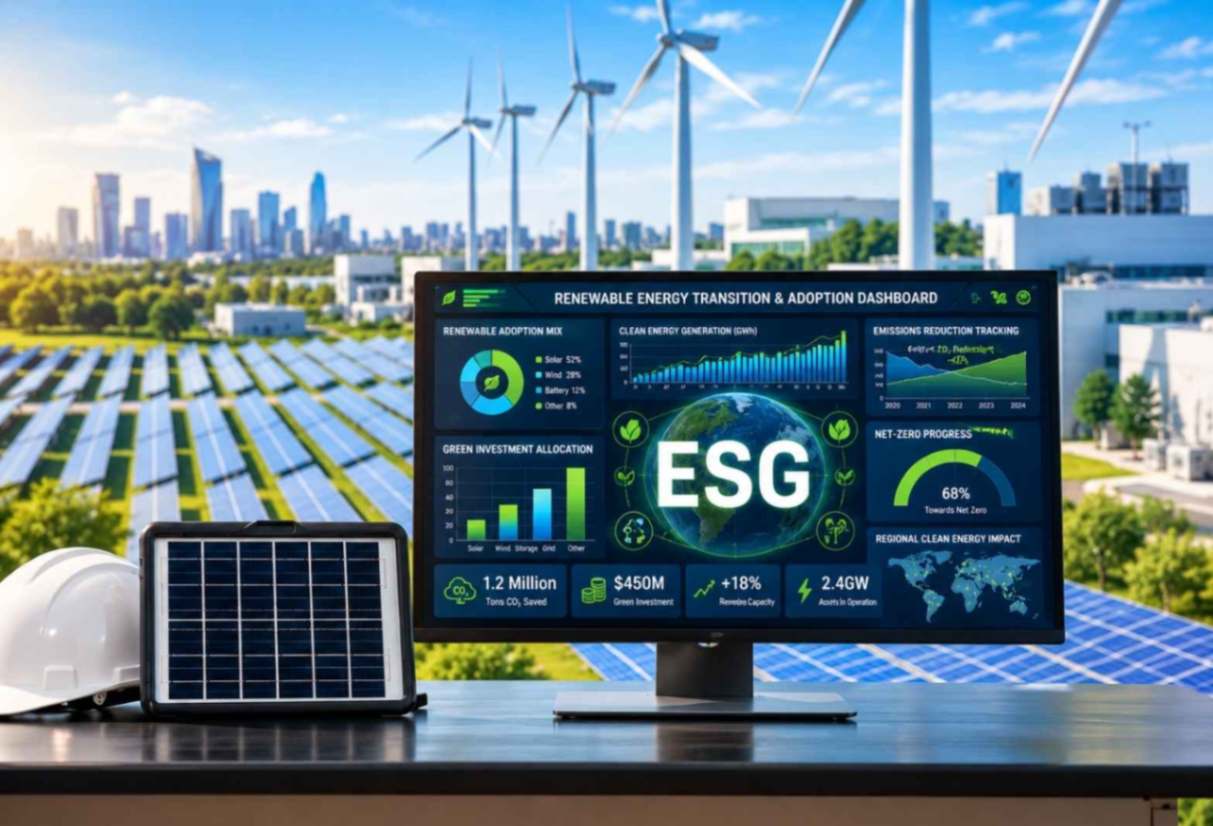
I-RECs contribute directly to corporate ESG (Environmental, Social, and Governance) strategies, demonstrating commitment to Scope 2 emissions reduction under global carbon accounting frameworks.
3. Cost-Effective Renewable Energy Adoption
Installing renewable energy systems like solar or wind can be costly. I-RECs offer a flexible, low-capital path to clean energy adoption.
4. Transparent Energy Tracking
I-RECs are issued through a secure, standardized system that ensures transparency and accountability. This makes them reliable proof of renewable energy claims in sustainability reports and carbon audits.
5. Global Reach & Accessibility
For multinational corporations operating across multiple markets, I-RECs offer an easy way to standardize renewable energy procurement across locations without requiring complex infrastructure changes.
Step 1: Assess Your Energy Needs
Calculate how much electricity your business consumes and determine how many I-RECs are needed to meet your renewable energy targets.
Step 2: Purchase Certified I-RECs
Choose an authorized I-REC provider to buy certificates from renewable energy projects that align with your sustainability strategy.
Step 3: Report and Communicate Sustainability Efforts
Use I-RECs to report carbon reductions, enhance ESG performance, and communicate your renewable energy usage in corporate sustainability reports.
Step 4: Integrate with Broader Decarbonization Strategies
While I-RECs are a great tool, businesses can also explore on-site solar solutions, PPAs (Power Purchase Agreements), and energy efficiency initiatives for a comprehensive sustainability approach.
Read More: How Industrial Rooftop Solar Can Cut Electricity Costs by Up to 50%
With extensive experience in renewable energy solutions, Enerparc Energy supports businesses in adopting I-RECs as part of their clean energy transition. Whether you need I-RECs procurement, on-site solar solutions, or end-to-end decarbonization strategies, we provide tailored solutions that align with your business goals.
• Extensive experience in global renewable energy implementation
• Tailored I-REC procurement strategies for C&I clients
• Expertise in on-site solar and integrated decarbonization planning
• Trusted by industry leaders for scalable, efficient solutions
Yes, I-RECs are recognized in over 50 countries and are aligned with international renewable energy tracking standards.
Yes. I-RECs are commonly used to report Scope 2 emissions reductions in sustainability and ESG disclosures.
On-site solar reduces your direct grid electricity use. However, if you still consume any grid electricity, I-RECs allow you to offset that remaining portion to reach full renewable energy coverage.
There is no legal requirement in most countries, but many global reporting frameworks such as CDP, RE100, and GHG Protocol recognize and accept I-RECs.
I-RECs typically correspond to electricity generated within a specific calendar year and must be redeemed within defined timeframes depending on the issuing body.
Looking to integrate I-RECs into your sustainability roadmap? Get in touch with Enerparc Energy to explore your options!