
let’s preserve the environment by using solar panels
Contact Us 
Blockchain could be the next major revolution in renewable energy enabling homes and businesses to buy and sell excess solar or wind power locally without intermediaries, tokenize clean energy for investment, and automate transparent, tamper-proof settlements through smart meters. The result: decentralized, community-driven energy networks that give users more control, reduce utility dependence, and accelerate the transition to a smart, low-carbon grid.
The solar industry has seen several cycles of technological revolution from cell-level efficiency gains to remote monitoring and weather forecasting. As it stands, blockchain in renewable energy could emerge as the next big breakthrough. Here, we explore how.
– Peer-to-peer renewable energy trading: Blockchain allows homes and businesses to buy and sell excess solar or wind power locally without intermediaries.
– Energy tokenisation for clean power: Producers can raise funds in advance while consumers pre-purchase renewable energy as digital tokens.
– Smart meters with automated settlements: Blockchain ensures transparent, tamper-proof, and real-time verification of every energy transaction.
– Demand-responsive energy management: Decentralised systems give users more control over consumption and reduce dependence on traditional utilities.
– Foundation for smart, low-carbon grids: Blockchain supports community-driven energy networks and accelerates the transition to a sustainable future.
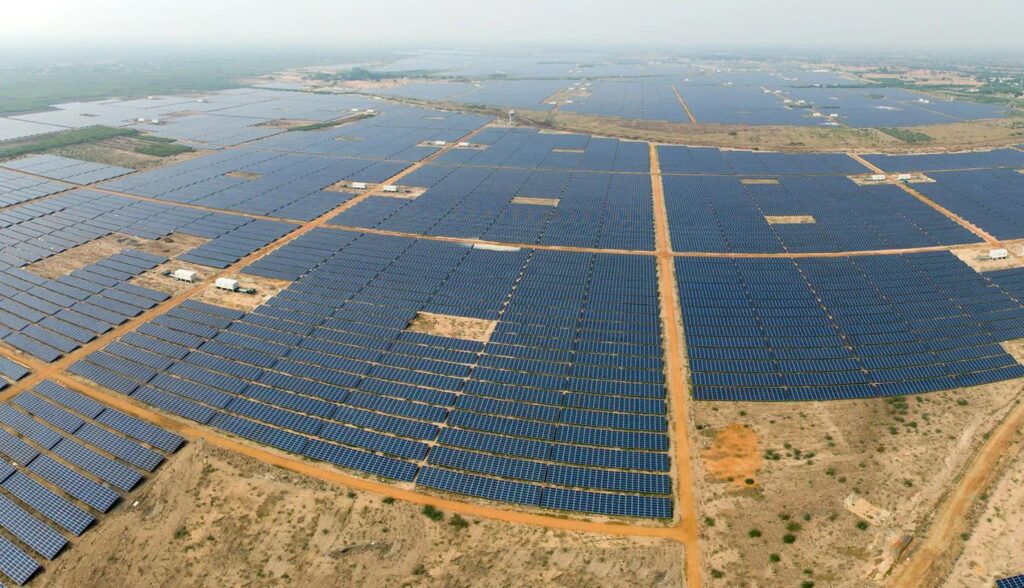
Blockchain technology is a system that allows for the transparent sharing of transactions across a network. Once a transaction is recorded onto the system, it cannot be altered in any form, or by any backdoor channels, without consensus from all the participating nodes (individual computers or individual systems) that are a part of the network.
We all hear the term Blockchain Technology often used in association with cryptocurrencies like Bitcoin or Ethereum. However, Blockchain technology, with its advantages of transparent information-sharing, has the potential to revolutionize banking systems, legal systems, and medical systems-practically any operating industry in the world today. The technology has the potential to power the growth of the solar industry as well. Here, we discuss how.
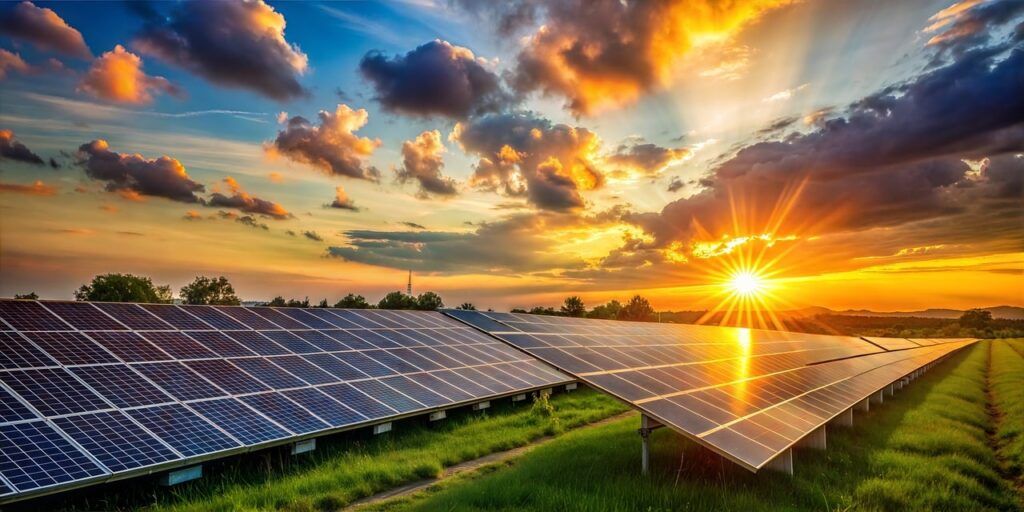
Blockchain is a decentralized ledger technology. When applied to the energy sector, it will enable people to trade energy among themselves effortlessly. This shift will stimulate more renewable energy projects as a whole, ultimately forwarding our transition into a more carbon-neutral, or optimistically, carbon-negative world. Tokenizing renewable energy allows wind, solar and hydro producers to seamlessly connect with investors, energy traders, and consumers who are willing to pay upfront for the right to consume renewable energy. similar to how renewable energy certificates (I-RECs) verify and facilitate green power transactions today.
One demonstration of what this distributed system would look like within a local community is the Brooklyn Microgrid Project. In this project, solar modules are installed on five standalone buildings generating energy during the day, from the Sun. All surplus or unused energy is sold to neighboring buildings. While all the buildings in the neighborhood are still connected to the grid, transactions are managed and are stored on a blockchain. Through smart meter technology and blockchain software, transactions are easily made from meter to meter i.e. from one neighbor to another. This project is proving out the concept that blockchain can create a local community market for renewable energy.
Blockchain also allows producers to raise capital by issuing their own energy tokens. Investors can either consume this energy or resell it when it is closer to being produced. The end result is a multi-dimensional platform that has the potential to create a smarter, cleaner grid-connected solar PV system.
Read More: Is RESCO Model Solar Cost-Effective for Indian Businesses?
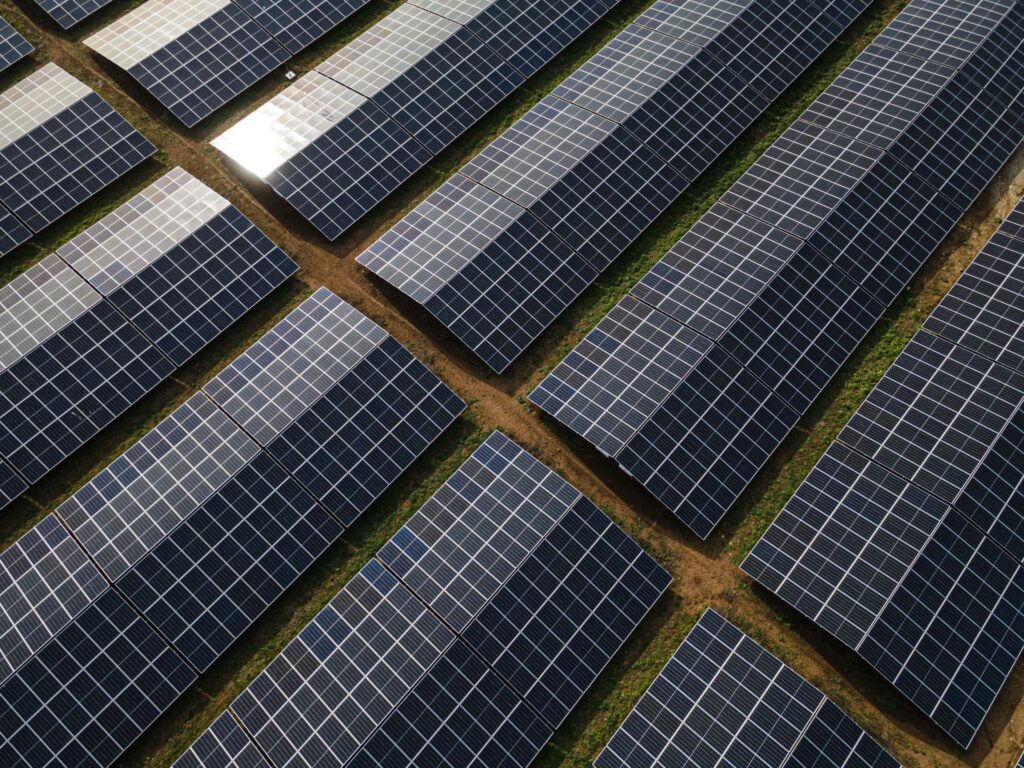
Transparency: Every transaction is traceable and verified.
Security: Data is encrypted and decentralised, reducing the risk of tampering.
Efficiency: Direct trading reduces reliance on intermediaries and central systems.
Scalability: Supports local, regional, or even national energy ecosystems.
Empowerment: Consumers gain more control over their energy production and usage.
Once fully connected homes are more pervasive, blockchain will play a role in helping people manage their consumption more proactively. Homes and offices alike will opt for demand response when incentives are aligned. Because of this, we’ll soon see more energy companies explore modern demand response options. Blockchain will help energy management be routinely delivered as a service to customers, on an automated basis. By providing such management and optimization services across tens of thousands of homes, energy companies will capture value from grid operators and pass that value on to energy users, without the customer having to lift a finger.
Blockchain makes a new energy sharing economy possible, one that facilitates an open exchange of power between homes, with all transactions recorded through a decentralized ledger. This will represent a fundamental change in the way we generate, distribute and use energy, for the better. Its promise will empower all of us to determine the impact our homes have on our climate.
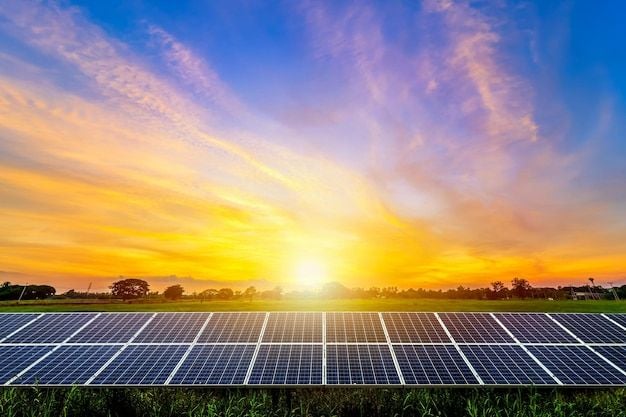
Blockchain technology in renewable energy is not just a buzzword. It’s a catalyst for building a smarter, cleaner, and more inclusive energy grid. With decentralised networks, community-based energy trading, and tokenized energy assets, we can accelerate our journey toward a sustainable, low-carbon future.
Blockchain enables secure, decentralised energy trading between users, automates settlements, and protects energy data without relying on traditional centralised utilities.
Yes. Blockchain allows solar energy producers to sell surplus power locally, tokenise production for investment, and track usage through smart contracts.
Energy tokens are digital assets that represent units of renewable energy. They can be traded, redeemed for electricity, or used to fund clean energy projects.
Yes. Blockchain records every transaction on an encrypted, tamper-proof ledger, making fraud or unauthorised changes extremely difficult.
It enables peer-to-peer energy trading, automated billing, and smarter energy management, reducing reliance on traditional grid providers and lowering electricity costs.