

let’s preserve the environment by using solar panels
Contact Us 
Solar trackers follow the sun across the sky, boosting energy output by 15–40% over fixed panels. Single-axis systems deliver 15–30% more, while dual-axis systems can deliver up to 50%. They add 10–30% to your upfront cost but often pay back faster through higher yields, reaching payback up to 1.48 years sooner than fixed panels. Solar tracking systems are ideal if you have limited space, high daytime energy use, and a sunny, stable climate less so for cloudy or windy regions.
Since India’s National Solar Mission launched in 2010, businesses have searched for ways to squeeze more value from their solar investments. The problem with conventional fixed panels is simple: they sit still while the sun moves, missing out on energy all day long.
Solar trackers solve that by following the sun for maximum capture. If you’re wondering what a solar tracker is and whether it can lift your business’s energy output, this guide covers everything about how the technology works, the types available, the real costs, and most importantly, whether it makes financial sense for your specific situation.
– Higher Energy Output: Solar trackers increase energy generation by 15–40% compared to fixed panels by following the sun’s movement.
– Two Main Types: Single-axis trackers move east–west and are more affordable, while dual-axis trackers adjust for both daily and seasonal sun movement, offering up to 50% higher output.
– Cost Difference: Installing solar tracking systems adds about 10–30% more to initial setup costs but often pays back faster through higher energy yields.
– Ideal for Businesses: Best suited for companies with limited space or high daytime energy use, where maximizing efficiency and ROI matters most.
– Maintenance Needs: Solar tracker systems require regular maintenance due to moving parts and perform best in stable weather with consistent sunlight.
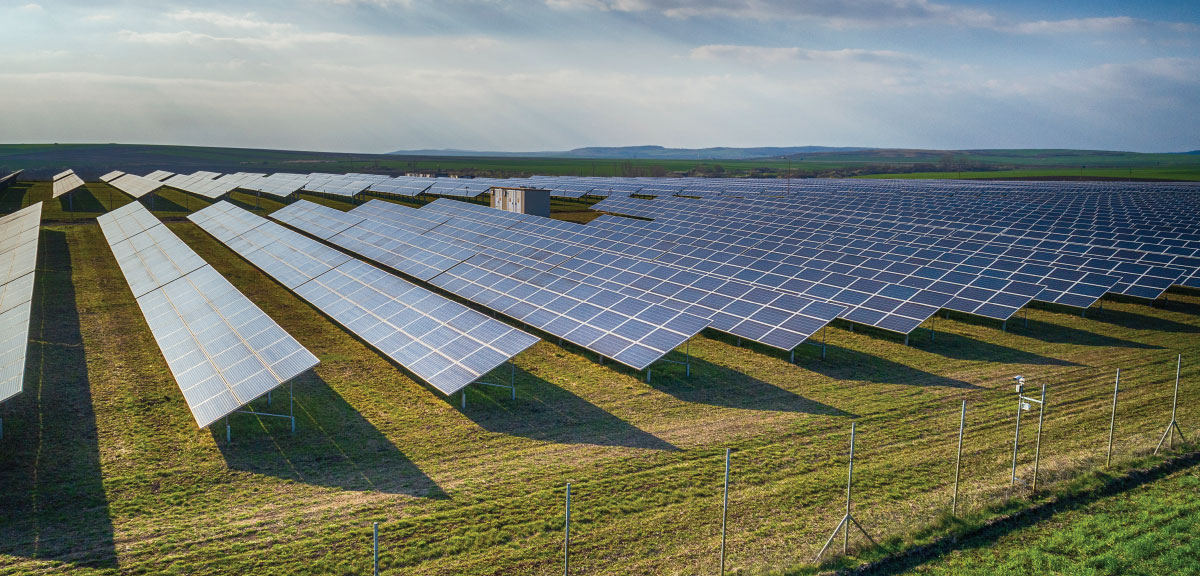
A solar tracker is a device that’s designed to adjust solar panels to track the sun’s movement over the sky. You could imagine something like a sunflower that always orientates itself towards the sun.
Solar trackers tilt panels to the most desirable angle in order to get a maximum amount of sunlight. This implies that more energy strikes the panels rather than being reflected off. Panels capture as much solar energy as possible when they remain perpendicular to the sun’s rays.
Such systems are automated with sensors and motors. The sensors detect the location of the sun. The motors then turn the panels in that direction. This goes on all through the day as the sun moves westwards.
A solar tracking system has the potential to generate 15–40% more energy than fixed panels. This makes solar tracking technology a valuable tool for companies wishing to maximise their solar investment.
Related Post: 9 Things to Consider Before Installing Ground Mount Solar System
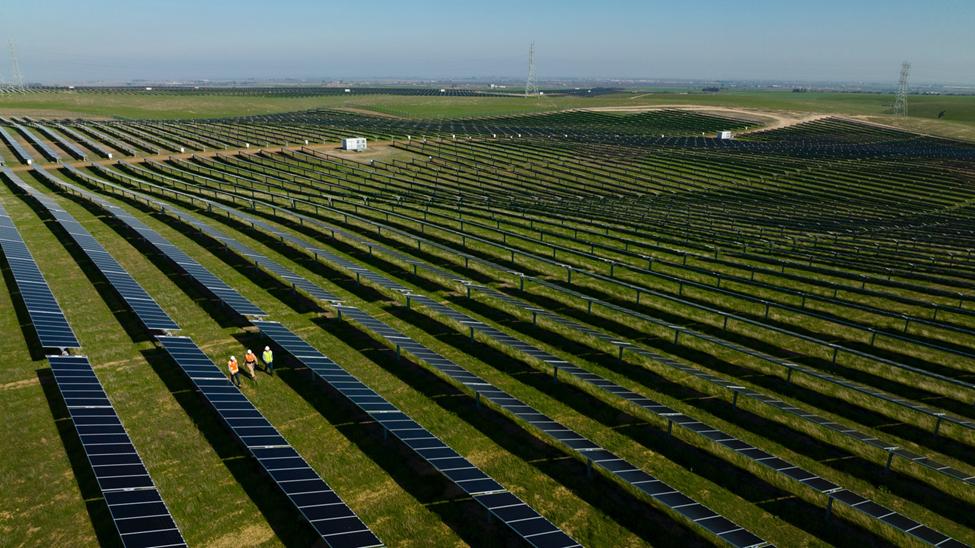
When discussing what a solar tracker is, we can say that there are many solar tracker types available. They are categorised based on their movement and control. Let’s explore the main types.
Manual trackers need someone to adjust the panels by hand. A person must change the panel position twice a day and several times throughout the year. This option works best where labour costs are low, but it’s not practical for most businesses.
Passive trackers use a clever liquid system that doesn’t need electricity. The tracker contains liquid with a low boiling point. When the sun heats one side, the liquid evaporates and creates an imbalance. This forces the panels to tilt towards the sun automatically.
Active trackers adjust the position of the panels using motors and hydraulic cylinders. To function, they need electricity that usually comes from solar panels. These systems are the most popular option for commercial installations due to their reliability and accuracy.
Single-axis trackers move panels in one direction – from east to west. They follow the sun’s daily path across the sky. These systems can increase energy production by 15-30% compared to fixed panels.
They are simpler and less expensive than dual-axis systems. They work well for large commercial solar farms where reliability matters more than maximum output.
Dual-axis trackers move in two directions. They follow the sun from east to west each day. They also adjust for seasonal changes as the sun’s height changes throughout the year.
These systems can increase energy production by 40-50% compared to fixed panels. However, they cost more and need more maintenance than single-axis systems.
Related Post: How to Maximise Space and Energy with Carport Solar Solutions?
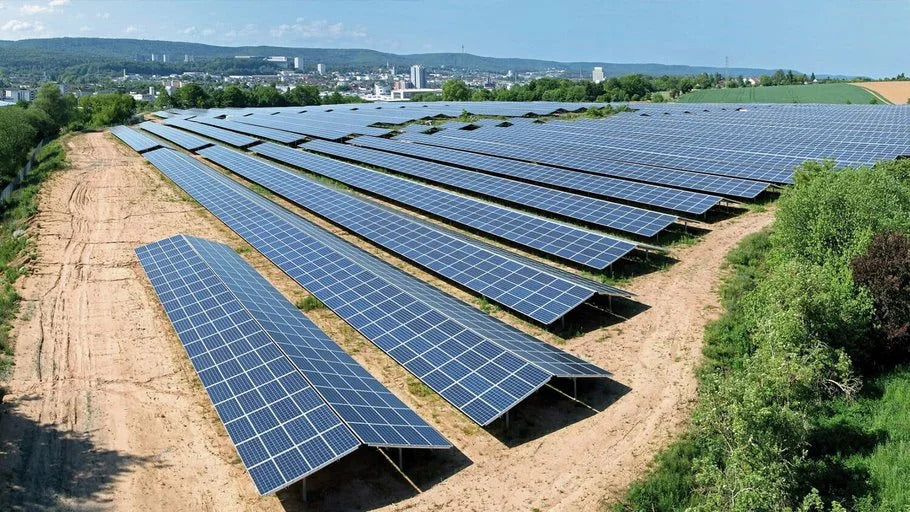
The cost of solar trackers varies based on the type and size of your installation. Here’s what businesses should expect to invest.
A standard 1 MW solar plant with fixed panels costs ₹4-6 crore in India. Adding a solar panel tracker system increases this investment by 10-15% for single-axis trackers and 20-30% for dual-axis systems, according to industry data.
This means a 1 MW system with single-axis tracking costs ₹4.4-6.9 crore total. Dual-axis systems require higher investments due to their complex mechanisms and additional maintenance needs.
Read More: Exploring Spectral Response in Solar Modules for Enhanced Efficiency
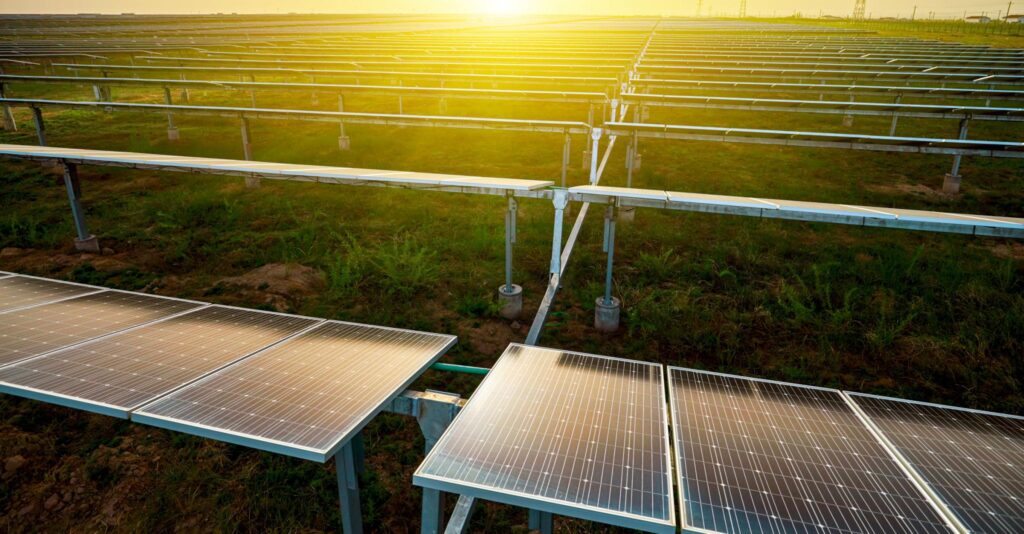
In India, single-axis trackers cost up to ₹10,000 per unit. Dual-axis active trackers cost up to ₹40,000 per unit. Passive trackers cost around ₹8.5 per watt.
A single axis solar tracking system pays for itself 0.39 years faster than fixed panels. A dual axis solar tracking system performs even better, reaching payback 1.48 years sooner than fixed installations through increased energy production. The energy gain often justifies the higher upfront investment.
Higher energy output during peak hours provides additional savings. Businesses can reduce grid dependency when electricity costs are highest during daytime hours.
Related Post: Ground Mounted Solar Panels vs Roof Solar Panels: Which Is Right for Your Property?
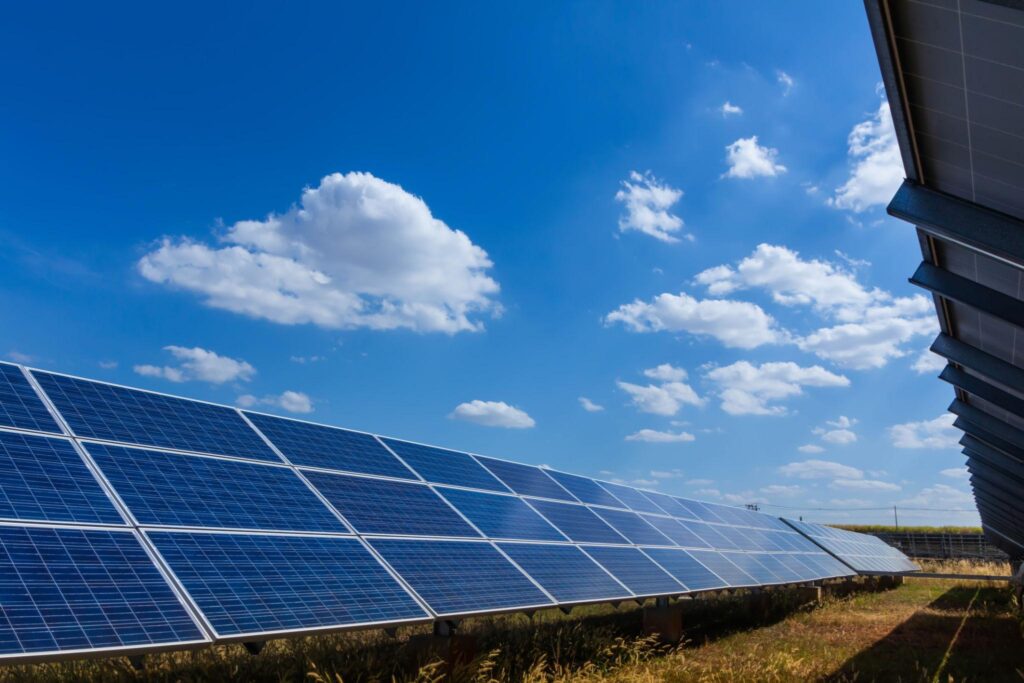
Like any technology, solar trackers have both advantages and disadvantages for businesses. When exploring what is a solar tracker, knowing both sides of the investment.
– Higher Energy Output: Trackers produce significantly more energy during peak sunlight hours. This extra production happens when electricity is most valuable.
– Better Land Use: A solar panel with a tracking system generates more electricity per square metre of land. This makes them ideal for businesses with limited space but high energy needs.
– Peak Hour Generation: Trackers produce more energy when air conditioning and other equipment run at full capacity. This reduces your need to buy expensive grid electricity during peak hours.
– Long-term Returns: The increased energy production often justifies the higher upfront cost. Many businesses see improved financial returns over the system’s lifetime.
– Higher Initial Costs: Tracking systems cost 40-100% more than fixed installations. This needs a bigger initial investment.
– Increased Maintenance: Moving parts require regular maintenance as well as inspection. This ongoing cost must be taken into account when considering the budget.
– Site Preparation: Trackers also need extra work on the site, like trenching for wiring and ground preparation. This adds to installation complexity.
– Weather Sensitivity: High winds and extreme weather can damage the solar tracking device. They work best in areas with stable weather conditions.
Related Post: Top Solar EPC Company in India

There are various factors that dictate the suitability of solar tracking systems for your business:
1. Space Considerations: Trackers may be worth the investment in case you have limited roof or ground space and want to generate as much energy as possible. They produce more electricity in the same area as fixed panels.
2. Energy Requirements: Businesses with high daytime electricity use benefit most from trackers. The additional generation during the peak hours can make your electricity bills go down noticeably.
3. Location and Climate: Trackers are most effective in locations that have a lot of direct sunlight. Areas prone to cloudy weather conditions may find no reason to pay the extra premium.
4. Budget and Timeline: Consider both upfront costs and long-term savings. Trackers have a higher initial investment, with more potential returns in the long term. Determining what is a solar tracker ROI for your specific situation requires careful analysis of these factors.
Related Post: Top Solar EPC Company in India
Understanding what a solar tracker is the first important move towards optimisation of your solar investment returns. Although a solar power tracker takes 10-30% more investment than a fixed installation, it provides a significant energy boost of 15-40%. The choice is up to you depending on your space limitations, energy requirements and local circumstances.
For businesses looking for maximum energy efficiency, solar tracking systems offer a proven path to higher energy generation. If you’re considering commercial solar trackers for your business , contact Enerparc online or call us at (+91) 804-941-4941 today for expert consultation.
The single-axis trackers generate 15-30%more energy, and dual-axis systems generate 40-50% more energy than fixed mount systems.
Single-axis trackers follow the east-west direction during a day. Dual-axis trackers also move up and down to accommodate changes in the sun’s height with seasons.
Trackers perform well when there’s abundant direct sunlight and consistent weather. This may be ineffective in regions that tend to be very windy or cloudy.
Most of the time, it wouldn’t be cost-effective to upgrade old installations with trackers. Solar tracking systems are most effective when they’re incorporated into new solar panel installations during the planning stage.
The solar tracker system will require more maintenance compared to that of fixed panels since they have moving parts. It’ll usually need regular inspection and the replacement of the motors or sensors on a periodic basis.