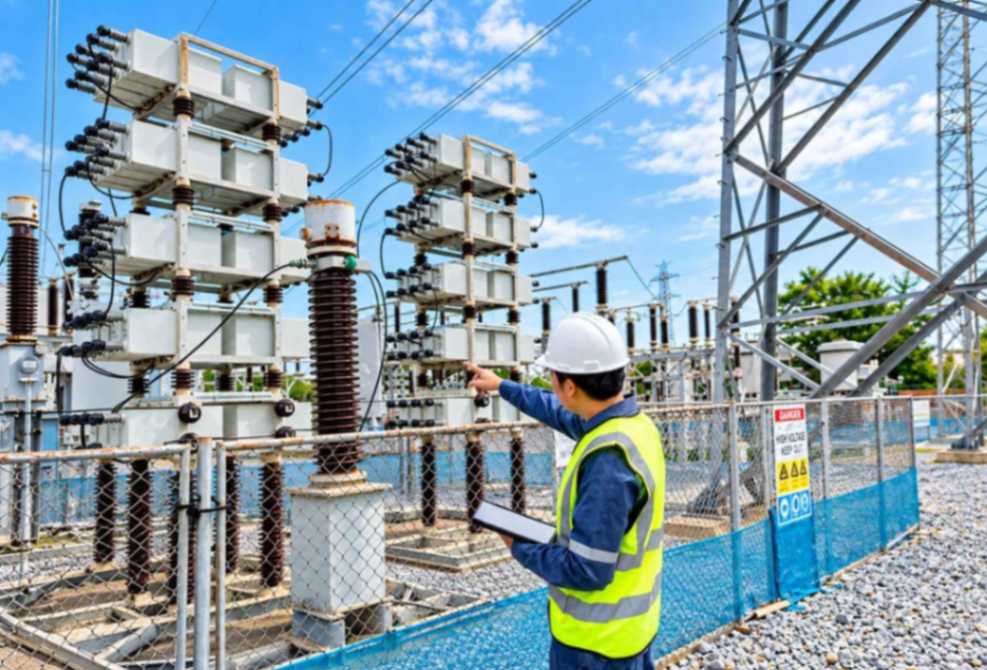
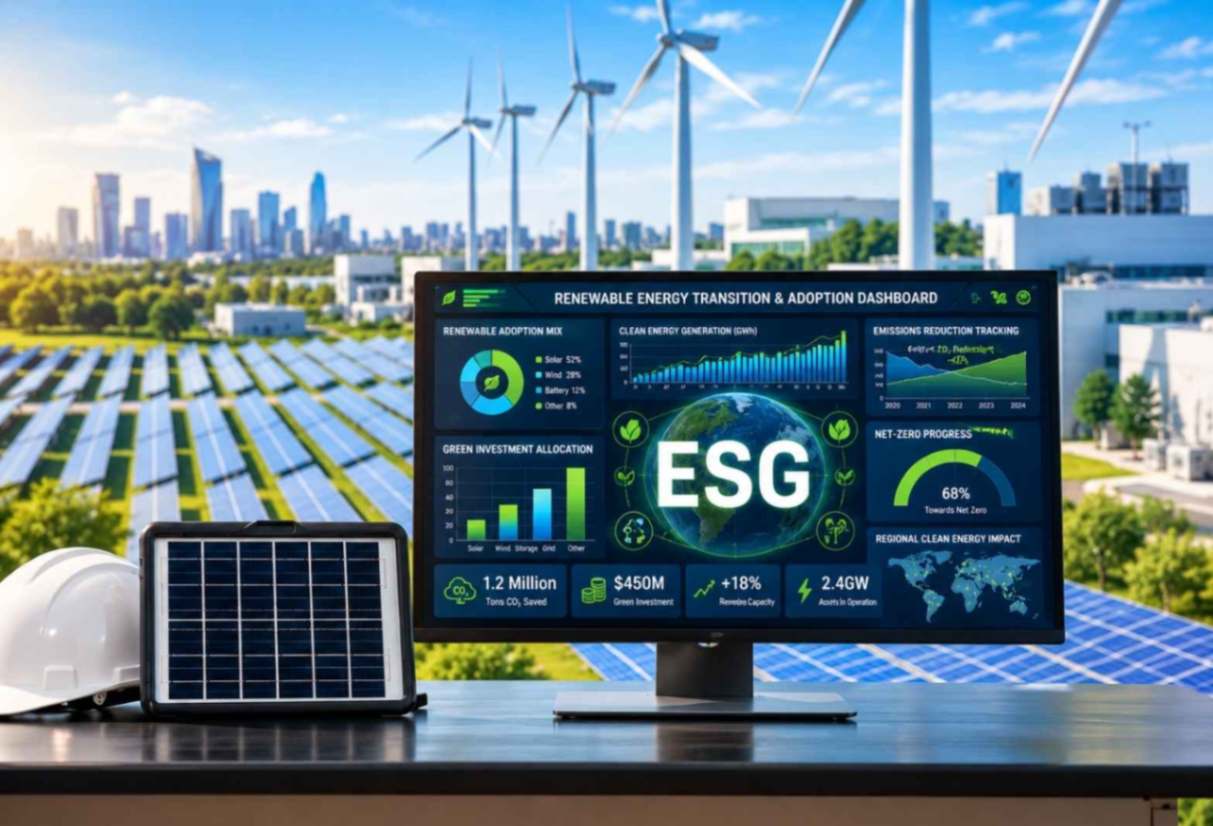
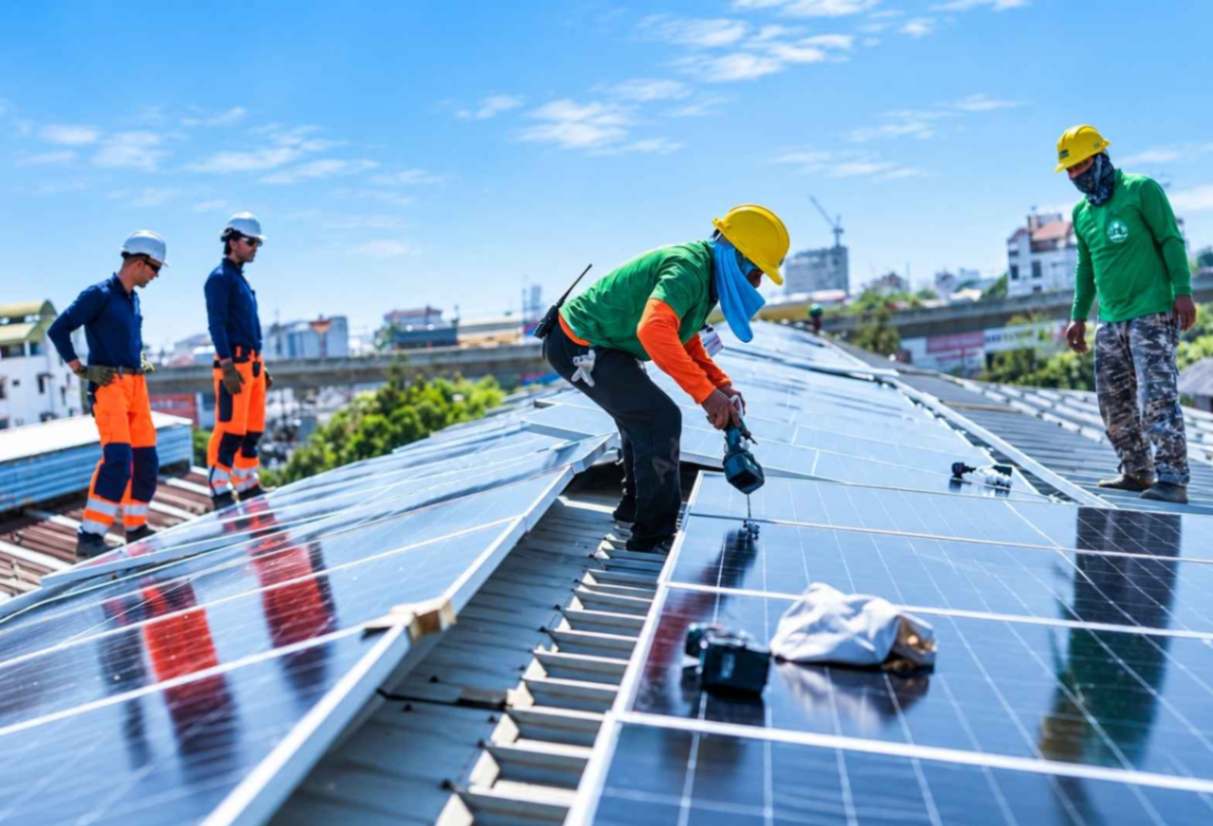

let’s preserve the environment by using solar panels
Contact Us 
Commercial rooftop solar lets your business cut electricity costs, lock in energy independence, and recover your investment in 4–7 years followed by up to 25 years of savings, reaching ₹20–40 crore in lifetime returns for a 1MW system. With scalable options from 500kW to multi-megawatt and flexible financing (CAPEX, OPEX, or RESCO), there’s a configuration that fits almost any business.
Remember when rising electricity bills left businesses with no real alternative? India’s solar transformation since 2014 has changed that completely national capacity has surged from just 2.6 GW to over 80 GW today, and businesses everywhere now rely on commercial solar for genuine energy independence.
This guide walks you through everything you need to integrate and scale rooftop solar into your operations: assessing your building’s readiness, sizing and scaling the system, navigating grid integration, planning the finances, and keeping it running at peak efficiency for decades.
– Commercial rooftop solar helps businesses reduce electricity costs and improve long-term energy savings.
– Businesses can install scalable solar systems from 500kW to multi-megawatt capacity based on energy usage.
– Commercial solar systems usually recover investment costs within 4–7 years and provide savings for up to 25 years.
– Proper roof assessment, grid connection, and inverter selection support safe and stable solar performance.
– Regular monitoring and maintenance help commercial rooftop solar systems maintain strong efficiency and reliable power generation.
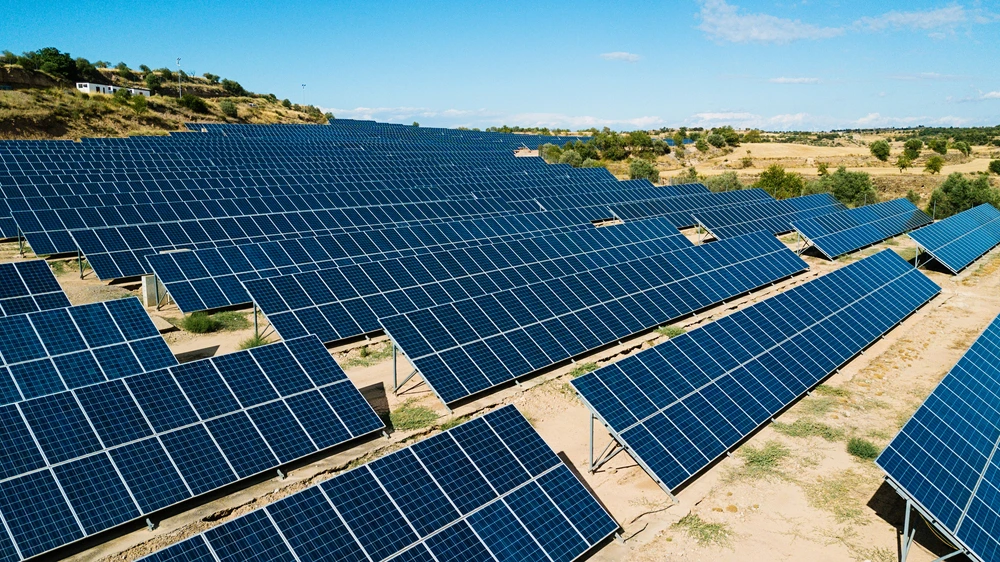
Commercial solar systems vary substantially from residential systems in terms of size, complexity, and compliance. Most of these setups are found in sizes between 500kW to several megawatts that meet huge energy requirements of businesses, factories, and commercial establishments.
Key types include:
– Grid-tied Systems: Connected to utility grid with net metering benefits
– Hybrid Systems: Combine grid connection with battery storage
– Off-grid Systems: Independent systems with battery storage
Modern commercial solar solutions utilize advanced monitoring technology, allowing real-time performance tracking and predictive maintenance scheduling.
Related Post: The Complete Guide to Understanding C&I Rooftop Solar System Installation Cost and ROI
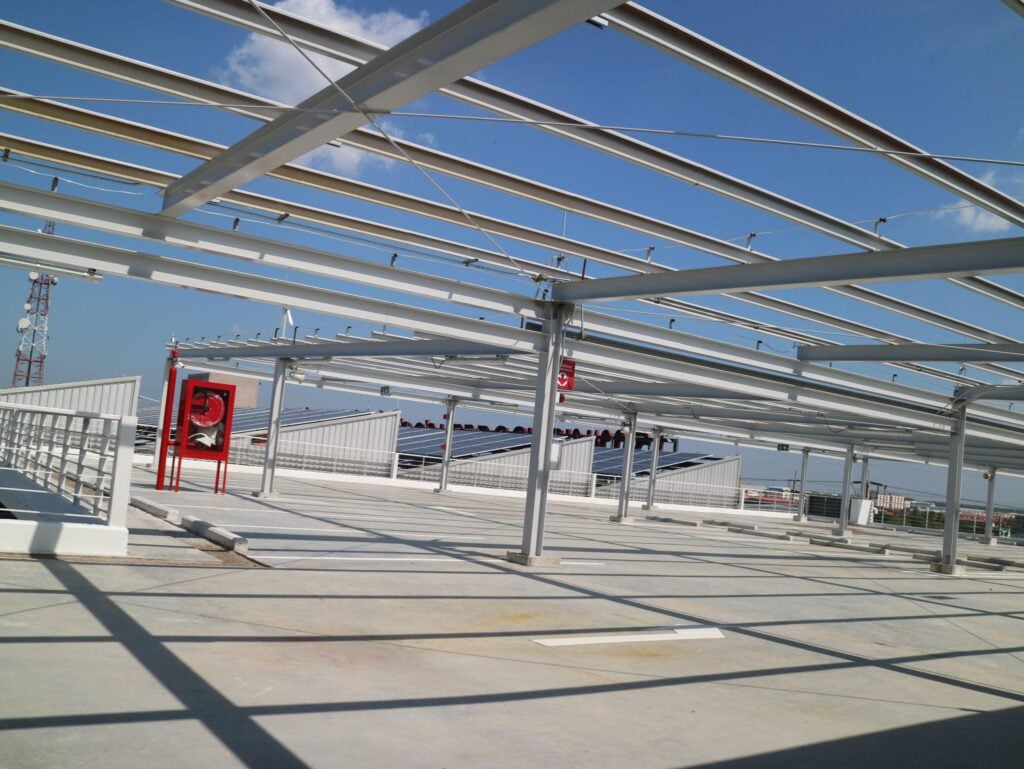
Roof structural assessment forms the foundation of a successful installation of rooftop solar. Commercial roofs must bear additional weight loads of between 15-25 kg per square metre. Structural engineers check load-bearing capacity, age of the roof, and material compatibility.
Energy consumption analysis reveals optimal system sizing through:
– Monthly consumption patterns over 12 months
– Peak demand periods and load curves
– Seasonal variations in energy usage
– Future expansion plans
Space requirements need approximately 100 square feet per kW of solar capacity. Regulatory compliance varies by state, with systems above 1MW requiring Chief Electrical Inspector approvals.
Small-scale systems (500kW – 1MW) cost approximately ₹2.25-4.5 crores and generate 2,000-4,000 units daily. Medium-scale systems (1MW-5MW) range from ₹4.5-35 crores, with economies of scale reducing per-unit costs.
Phase scaling helps companies to begin small and expand slowly. It cuts down initial capital requirements and allows for operational experience. Future expansion planning must focus on roof space use and changing energy needs.
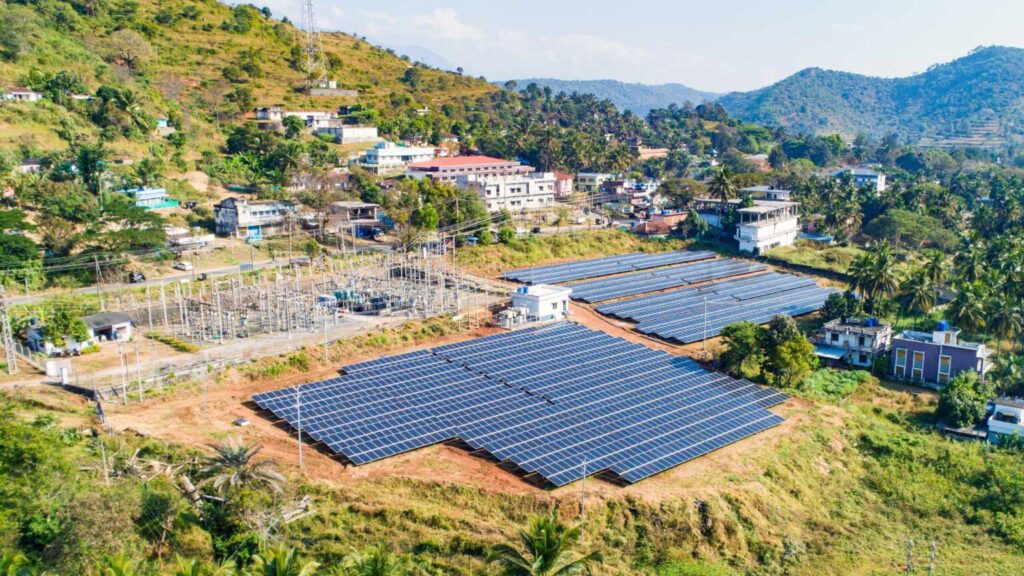
Grid connectivity for systems above 500kW usually requires gross metering arrangements rather than net metering. Load balancing ensures optimal energy utilisation during peak production periods.
Inverter selection significantly impacts efficiency. Commercial installations use string inverters, which range from 50kW to 385kW capacity. Cable management needs strong earthing, surge protection, and safety disconnection.
It requires the expertise of a reliable solar company to engineer the integration with the existing electrical infrastructure properly.
Related Post: The Greenhouse Effect and Its Impact
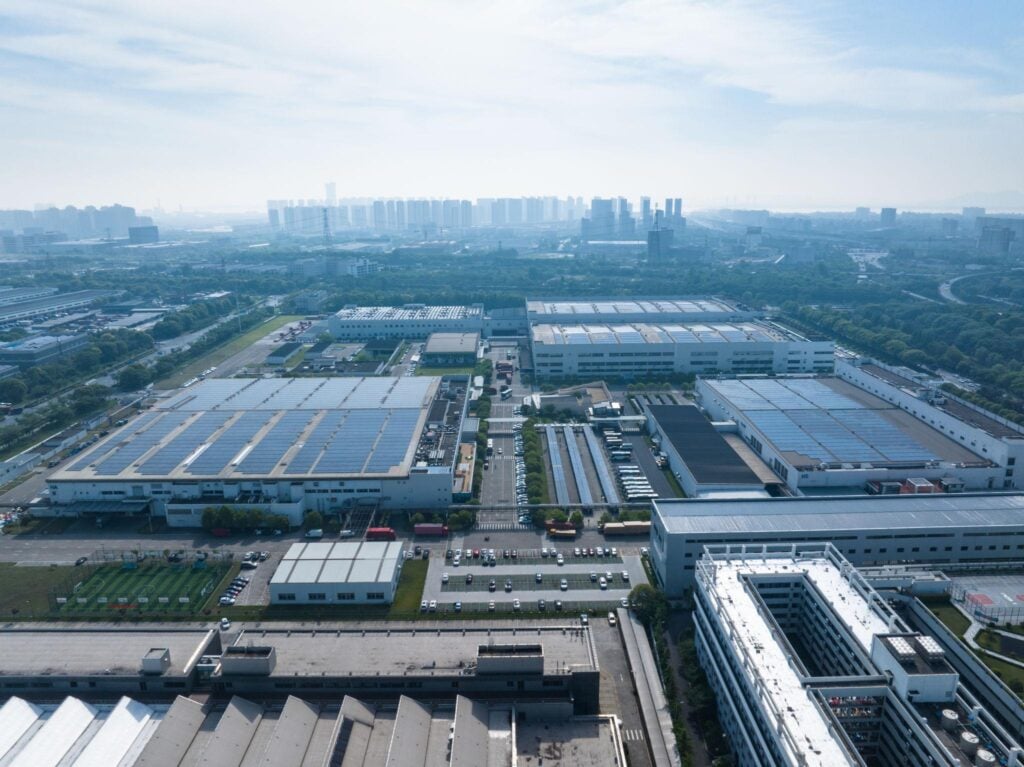
Roof compatibility varies significantly. Concrete rooftops offer excellent support, metal roofing requires specialised mounting, and older asbestos roofing may need replacement before installation.
Weight distribution calculations ensure safe installation without compromising building integrity. Shading analysis identifies optimal panel placement accounting for HVAC equipment and architectural features.
Weather resistance of systems helps them resist surrounding conditions like high winds, hailstones, and varying temperatures within the climate zones.
Read More : Difference Between CAPEX and OPEX Solar Models
Investment models offer funding flexibility:
CAPEX models involve direct purchase at ₹45-50 per watt for 500kW systems, providing 40% accelerated depreciation in the first year.
OPEX models convert capital expenditure into monthly operational costs.
RESCO models involve third-party ownership with electricity rates 20-40% below grid tariffs.
The payback period, based on ROI calculations, lies in the bracket of 4-7 years, and total lifetime savings come out to be as high as ₹20-40 crores in the case of 1MW installations over 25 years.
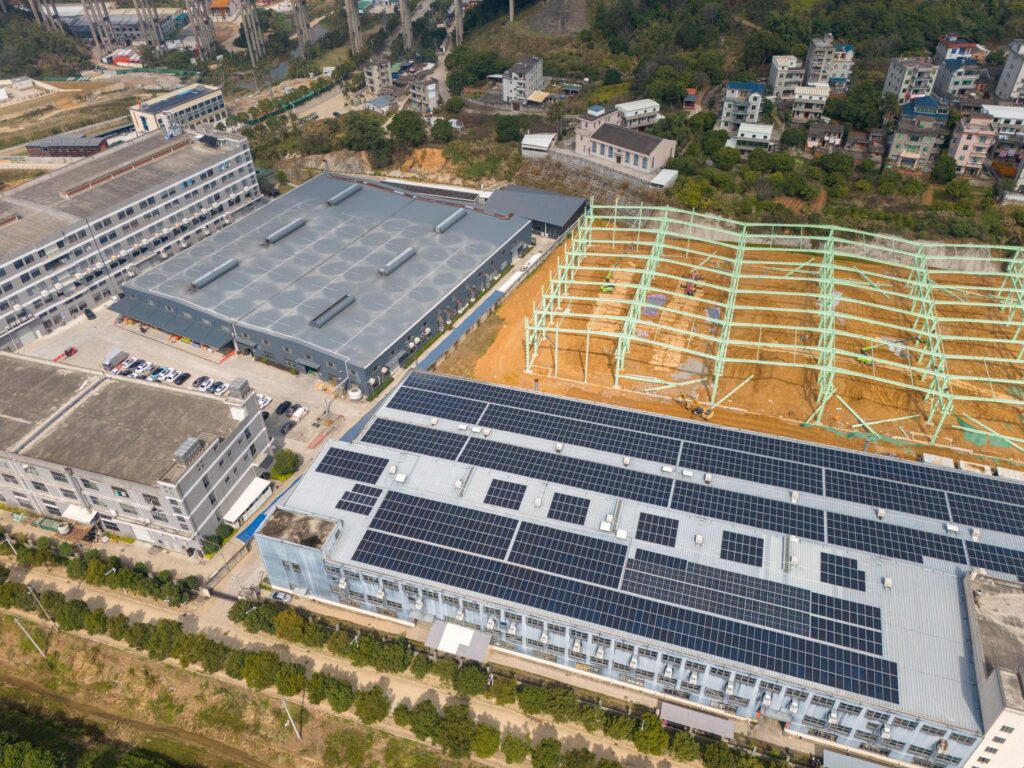
To get the best outcome and meet regulations, there is a systematic approach to deploying solar systems for commercial purposes.
– Site survey and feasibility analysis look into roof condition, electrical infrastructure, shading and energy requirements. Engineering professionals evaluate technical feasibility and potential issues.
– The design and engineering phase creates custom layouts for the system to optimize the placement of panels, selection of inverters and routing of cables. Engineers make drawings that comply with the electrical codes and safety standards.
– Permitting and approvals vary by system size and location. When installing a system with a capacity exceeding 500KV, DISCOM (Distribution Company) approval must be obtained, along with net metering permissions and, in many cases, the Chief Electrical Inspector’s clearance. Proper documentation leads to easy approval processes.
– Procurement and installation timeline is relatively 1-4 weeks to 3 months for commercial systems. In order to prevent any disruption to the business, careful coordination is needed at every level of equipment purchase, structural work, electrical installation, and testing.
– Testing and commissioning make sure that the system operates as per specification. Extensive tests for electrical safety, performance, and grid synchronisation are done.
– Grid connection and activation involve final DISCOM inspections, meter installation, and system activation. Proper commissioning enables easy integration with the grid as well as good system performance.
Related post: Bifacial Solar Modules: Increasing Efficiency and Power Output
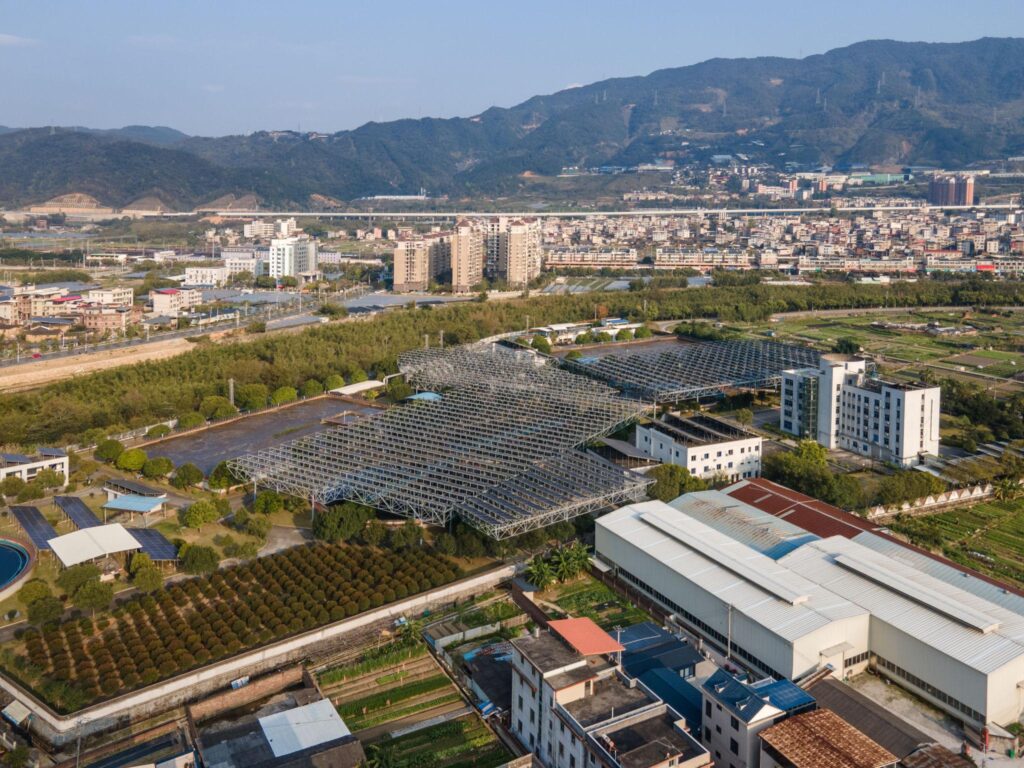
To ensure commercial solar solutions operate as efficiently as possible, it’s always best to perform regular monitoring and maintenance throughout their lifetime.
– Real-time monitoring systems continuously generate performance data, exposing problems before they cause energy generation failures. Advanced monitoring systems keep track of each panel’s performance, how the inverters work, and the health of the overall system.
– Preventive maintenance schedules would involve cleaning, checking the electrical connections, and performing of the components. Commercial systems usually need to be professionally serviced every three months so that they remain at their best.
– Performance optimisation strategies include review of energy generation data, determining which components are underperforming and providing corrective actions. Periodic performance checkups help keep the system efficient throughout its lifespan.
– Troubleshooting common issues includes addressing shading issues, inverter faults, and grid connection problems. Expert teams involved in maintenance ensure quick resolution of technical issues that minimise energy generation losses.
– Warranty and service agreements provide long-term performance assurance. Comprehensive service agreements generally cover monitoring, maintenance, and performance guarantees to provide consistent energy generation.
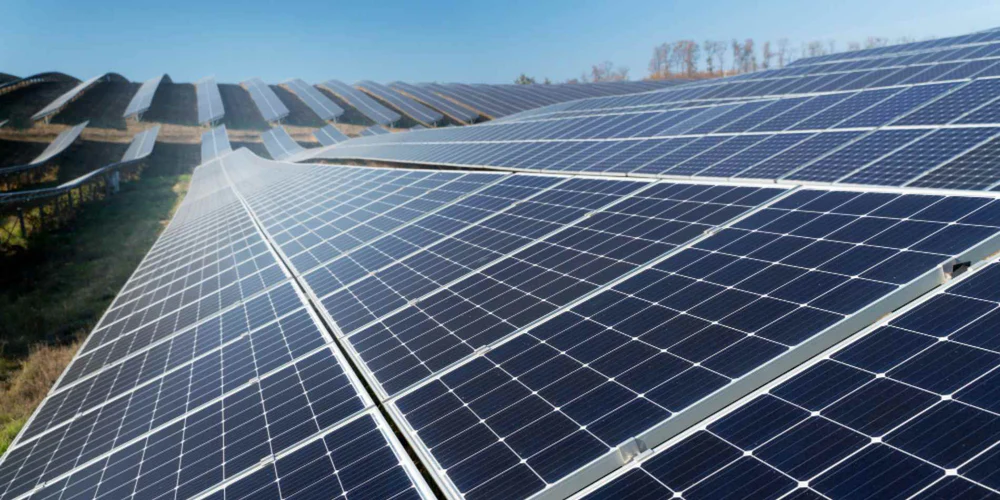
Every industry needs a custom approach to installing solar panels for commercial buildings to meet their specific operational requirements or energy usage patterns.
When properly designed and implemented, commercial solar power systems generate impressive financial and environmental gains to businesses. A successful solar integration needs appropriate guidance and good quality equipment from the beginning of the assessment until the long-term maintenance.
When something is professionally installed, it will work properly. Also, it protects your investment by keeping you in compliance with the laws. Call Enerparc now at (+91) 804-941-4941 or contact us online to transform your business energy strategy with commercial solar.
Commercial rooftop solar systems usually require around 100 square feet of roof space per kW for proper installation and energy generation.
Most businesses recover their commercial solar investment within 4–7 years depending on system size, electricity usage, and installation cost.
Manufacturing units, warehouses, hospitals, schools, IT companies, and retail buildings commonly benefit from commercial rooftop solar systems.
Businesses can choose from grid-tied, hybrid, and off-grid commercial solar systems based on operational and power backup requirements.
Advanced monitoring systems track real-time energy generation, inverter performance, and system efficiency to help maintain stable operation.