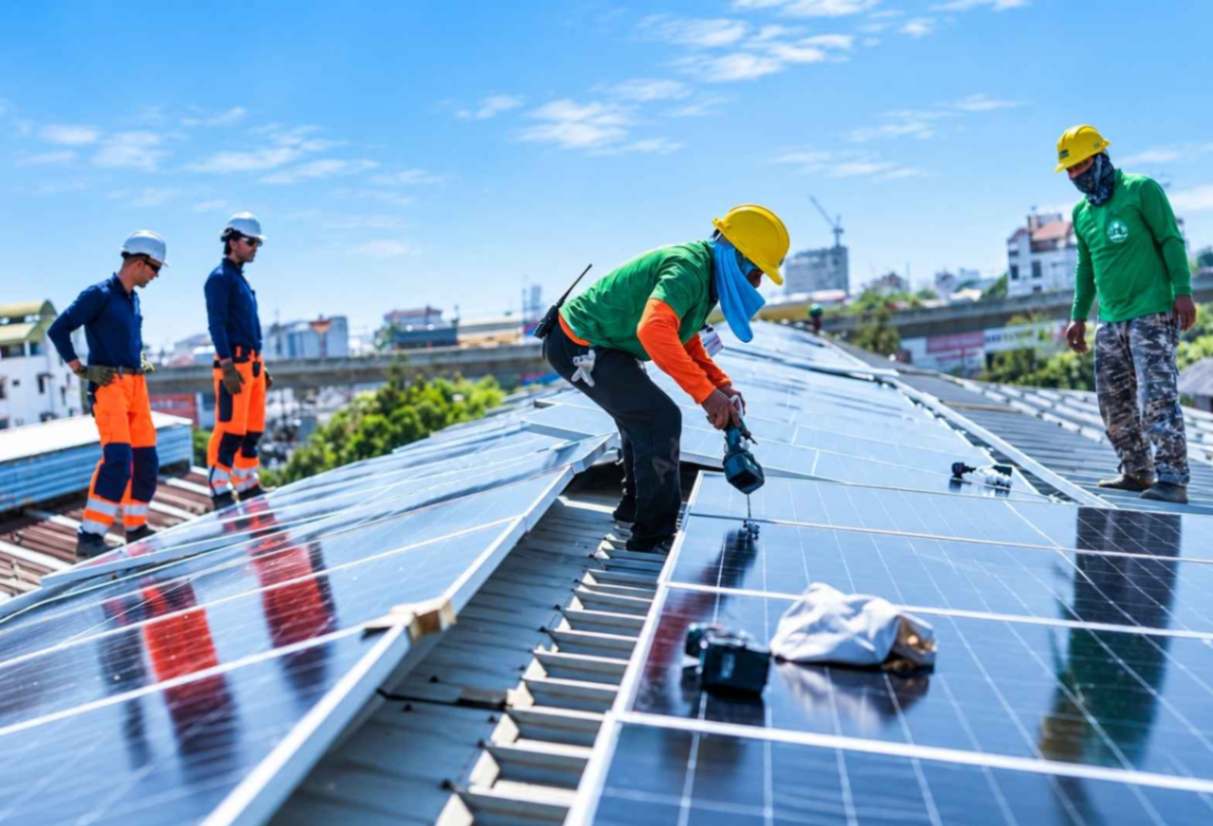

let’s preserve the environment by using solar panels
Contact Us 
Most solar panels last 25–30 years, but the exact figure depends on the type you choose. Monocrystalline panels lead the pack at 25–40 years with the slowest degradation (0.25 – 0.5% per year), polycrystalline last 23–35 years, and thin-film panels 15–20 years. Beyond panel type, your panels’ real lifespan comes down to four things you can control: build quality, installation expertise, climate, and maintenance.
Picture yourself on your factory roof, admiring your newly installed solar panels. The savings feel great but one question lingers: “How long will these actually last?” It’s the question we hear most from business owners, and it matters, because solar is a serious investment you want to pay off for decades.
This blog breaks it down: how long different panel types last, the key factors that shorten or extend their life, the warning signs that signal it’s time to replace, and five practical tips to keep your system performing at its best for as long as possible.
– Most solar panels last 25–30 years, depending on panel type, build quality, installation, and solar panel maintenance.
– Monocrystalline solar panels typically provide the longest lifespan and maintain higher efficiency over time.
– Proper installation, climate conditions, and regular upkeep play a major role in overall solar panel longevity.
– Routine cleaning, system inspections, and performance monitoring help extend the life of your solar power system.
– Choosing an experienced EPC solar company like Enerparc India ensures reliable performance and long-term system durability.
Read More: Solar Tracker Guide: Types, Cost, Pros & Cons Explained
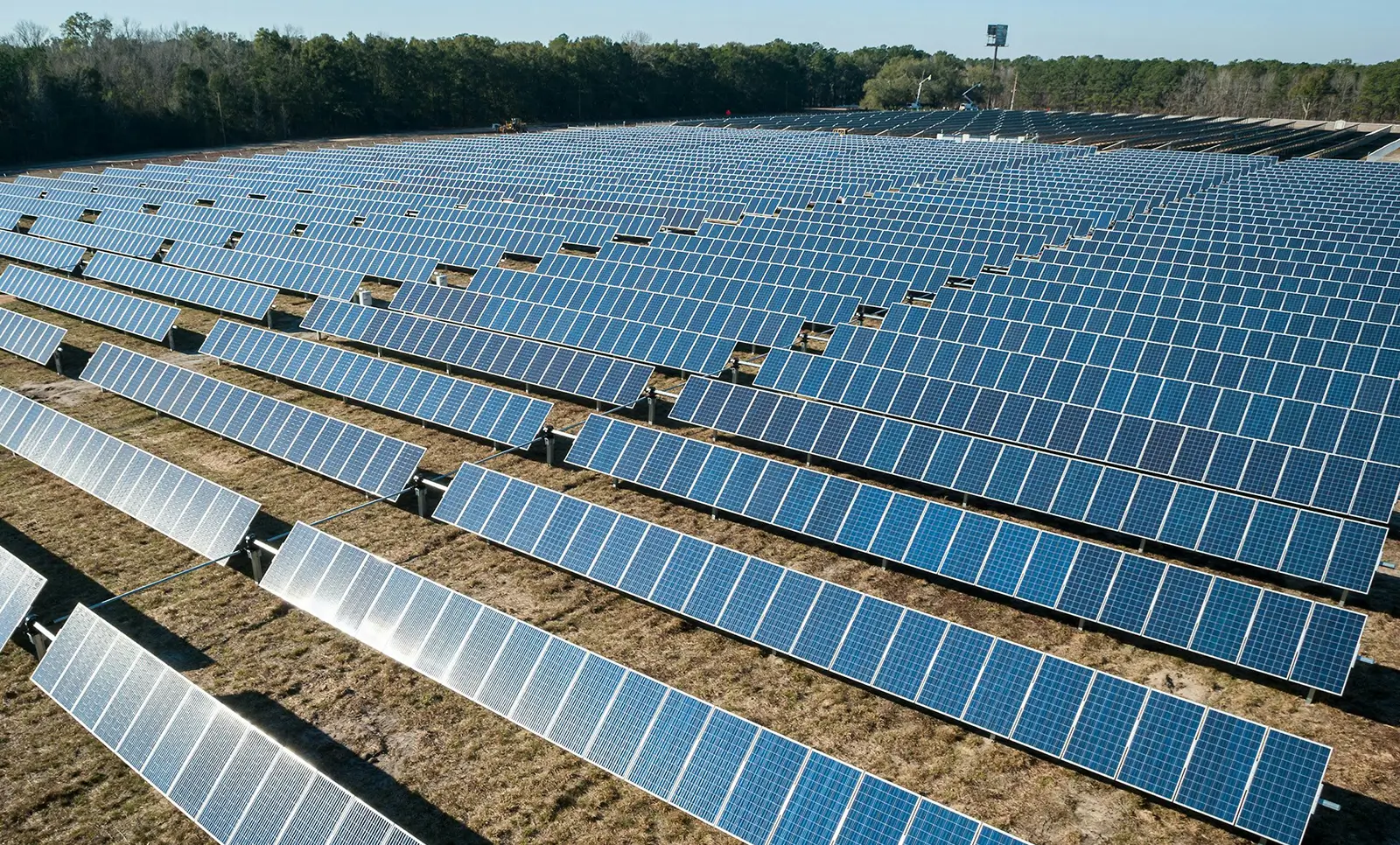
Carport, rooftop, or ground-mount solar panels have different expected lifespans, but the majority of them work well for around 25 to 30 years without needing to be replaced. The actual solar panel lifespan can vary depending on panel technology, installation quality, climate, and maintenance.
These premium panels are expected to last for 25-40 years. Made from pure silicon crystals, they work better in hot Indian climates. The life of a solar cell is generally longer in these panels, with power loss of only 0.25-0.5% per year, making them ideal for long-term business investments.
More affordable than monocrystalline, these panels generally last 23-35 years. And if you ask about the lifespan of a solar panel, it totally depends on the quality. These panels have a slightly higher power loss of 0.3-0.8% yearly. Still, they provide excellent value for businesses with tight budgets.
These lightweight, flexible panels typically last 15-20 years. While having a shorter lifespan and higher degradation rates of 0.5-1.5% yearly, they’re useful for commercial properties with limited roof strength or unusual shapes.
Read More: Blockchain Technology in Renewable Energy Trading
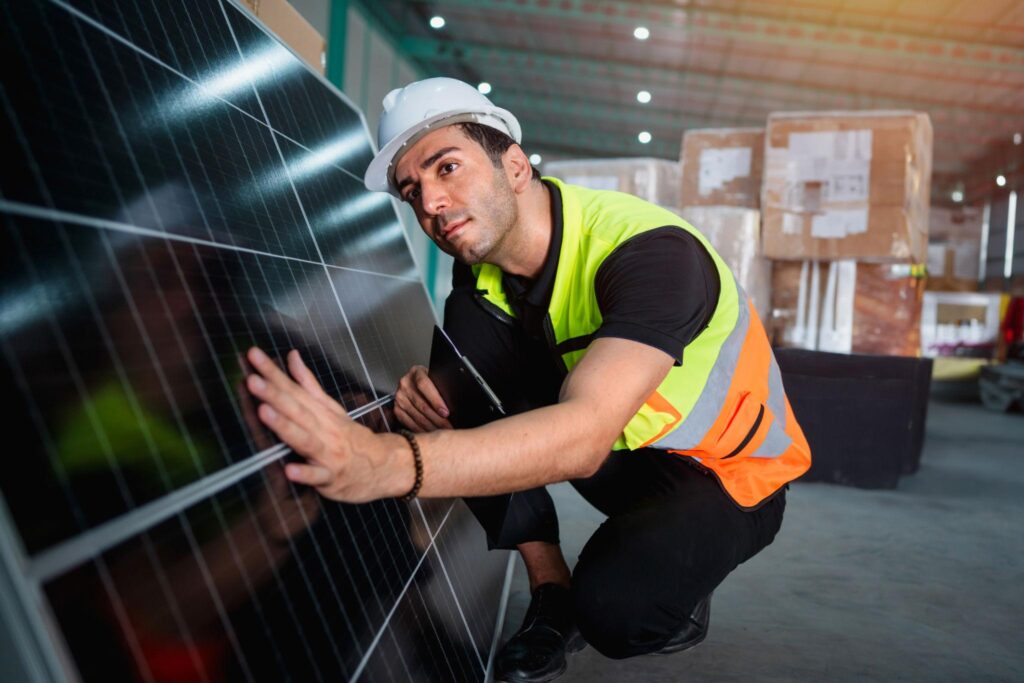
When considering what is the lifespan of a solar panel, several key elements determine how long your system will deliver optimal returns.
The lifespan of a solar panel depends on who made it. Panels from top-tier manufacturers use better materials and stricter quality control. Enerparc partners with premium manufacturers whose panels resist microcracks, delamination, and junction box failures common in lower-quality products.
Proper installation by qualified professionals prevents future problems. Incorrect mounting creates stress points, poor wiring causes electrical issues, while loose panels can fly off in storms. Good installers make sure everything is tight and safe for many years.
The location of your business in India also plays a role in determining panel life. In high temperatures, solar panels wear out faster comparatively. Dusty areas need more cleaning. Salty air near the sea causes rust. Heavy rain and hail can crack panels, requiring earlier replacement.
Proper maintenance directly influences how long solar panels can last in your system. Accumulated dirt, leaves, and bird waste decrease power generation, so regular cleaning and component checks are essential for longevity.
The lifespan of a solar panel is often limited by other parts. Panels are just one part. Cheap mounting racks bend and rust. Bad wires cause fires. Poor inverters die fast. Good parts cost more upfront, but save money later. They help your whole system last longer.
Related Post: Top Solar EPC Company in India
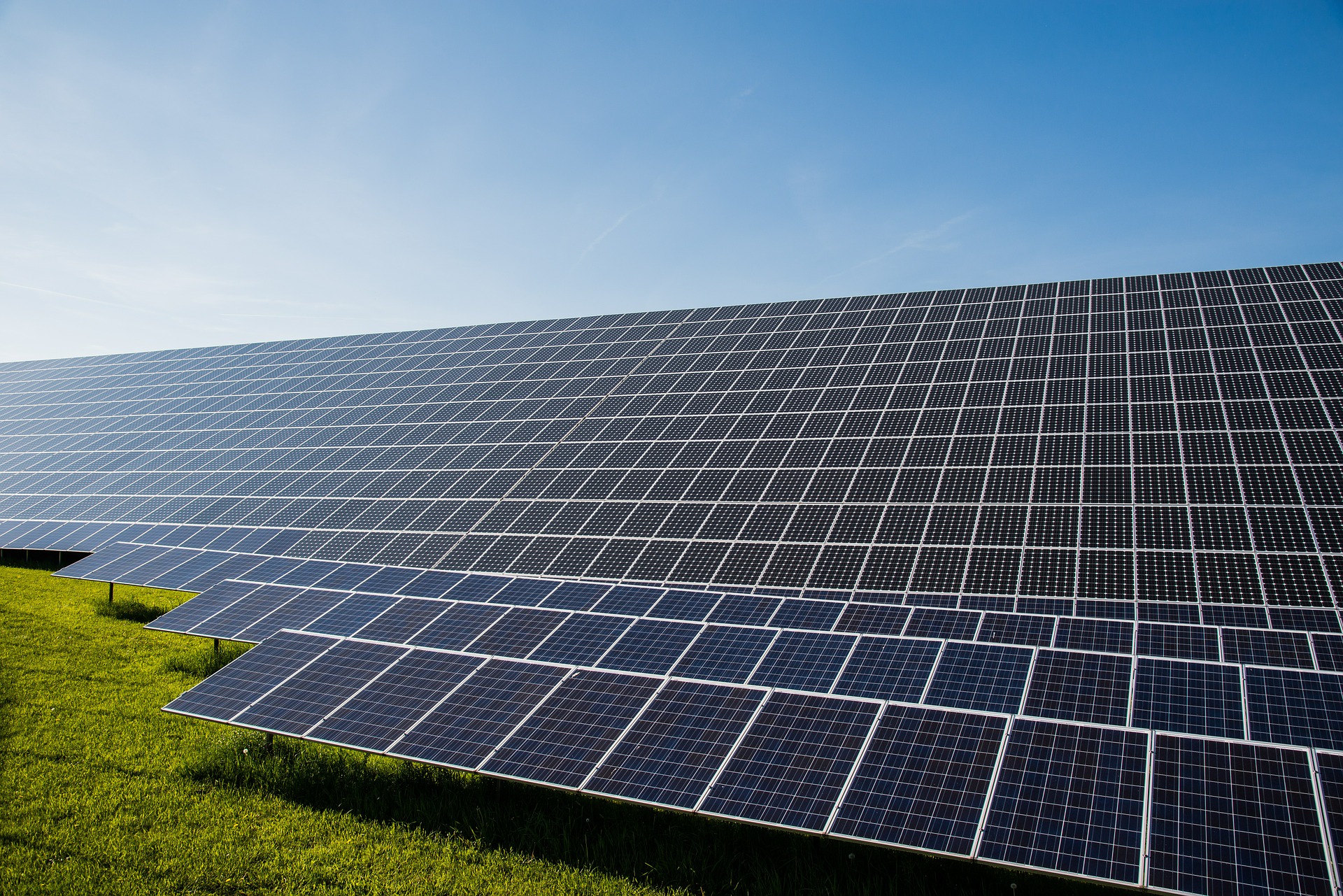
Being aware of these indicators helps you plan timely replacements to maintain energy production and avoid unexpected business disruptions.
If your power drops by 20% or more and cleaning doesn’t help, something is wrong inside the panels. This means higher power bills and less savings. Check your monthly power reports to spot this.
Cracked glass or yellow panels need replacing. Water gets in through cracks and causes shorts. Yellow panels don’t make as much power. These problems don’t get better with time and only get worse.
Thermal imaging reveals hot spots where panels generate excessive heat in specific areas. This means cells inside are breaking. These hot areas produce less power and can start fires. This happens when part/parts of a solar panel is blocked or broken.
Panels that have been in use for more than 25 years produce less electricity, although they look fine. What is the lifespan of a solar panel, then? If you believe the power loss from your old solar panels is costing you equal to or more than the cost of installing new panels, replace them!
Old panels lack new safety features. New panels make more power from the same sun. They also have better tracking systems. Upgrading gives you more power and better data about your system.
Related Post: C&I Rooftop Solar System Cost & ROI

When you follow these tips, you can get the best out of your solar system throughout its lifetime.
– Regular Professional Cleaning: Get your panels cleaned every three months. Dust and bird droppings block sunlight and can damage the surface.
– Timely Inspection and Maintenance: Have experts check all parts twice a year, as a solar panel’s lifespan also depends on fixing those small problems before they become big and expensive ones.
– Proper Water Drainage Systems: Make sure water flows away from panels. Standing water causes rust and can leak into electrical parts.
– Monitor Performance Consistently: Check your power output daily. Sudden drops mean something is wrong and needs fixing right away.
– Trim Surrounding Vegetation: Keep trees and plants around your installation properly trimmed. Overhanging branches can create shade and drop leaves. Roots can damage ground-mounting systems over time.
Your solar panels will likely serve your business for 25-30 years. What is the lifespan of a solar panel depends on the type you choose, installation quality, and maintenance routine. Don’t wait for problems to appear – be proactive about solar panel care.
Ready to install long-lasting, high-quality solar for your business? Contact Enerparc today for a free consultation. Our solar experts will assist you in finding the best solar panels and a maintenance plan that fits your business.
It’s recommended to have your solar panels professionally inspected and cleaned every six months. Regular servicing helps detect faults early and ensures consistent energy production throughout the year.
Yes, extreme heat, dust, and humidity can slightly increase solar panel degradation rates. However, panels designed for tropical climates, along with proper installation and regular maintenance, can effectively minimize these effects and support long-term solar panel lifespan.
Minor issues such as loose wiring, faulty connectors, or damaged junction boxes can usually be repaired. However, if the glass surface or solar cells are cracked, replacing the panel is often more cost-effective and safer.
Yes. Regular solar panel cleaning removes dust, bird droppings, and debris that block sunlight. Many businesses experience a 5–10% increase in energy output after proper cleaning.
Watch for signs like reduced power generation, visible panel damage, or inverter error alerts. If you notice any of these, schedule a service visit with a qualified solar technician to prevent further issues.