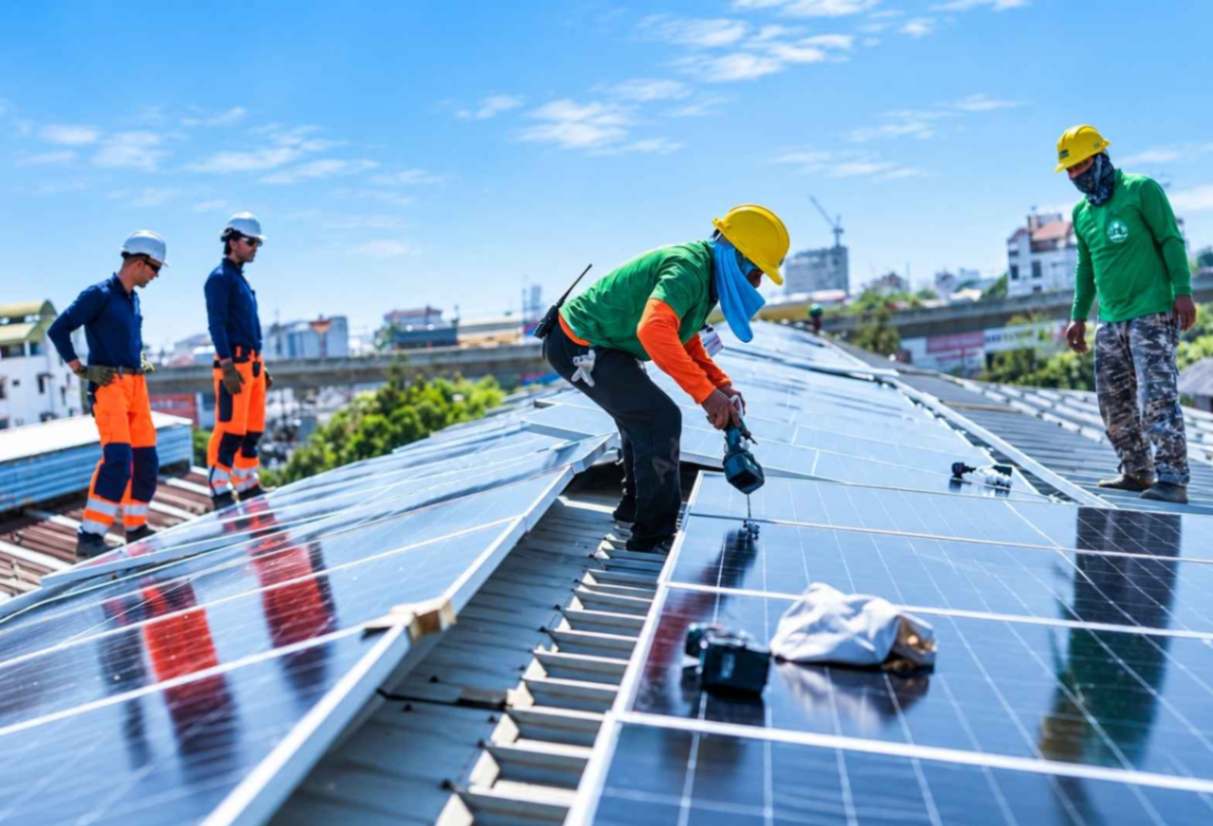

let’s preserve the environment by using solar panels
Contact Us 
Yes, commercial solar is worth it. Solar power costs just ₹3–4 per unit versus ₹8–12 from the grid, cutting electricity expenses by 40–80%. A 1MW system recovers its investment in just 3–4 years, then delivers ₹20–40 crore in lifetime savings 4–6 times your initial outlay. Add up to 60% subsidies for eligible sectors, 40% first-year depreciation, and GST input credits, and the financial case is overwhelming.
Rising power tariffs are squeezing business budgets across India, with commercial rates at ₹6–16 per unit and industrial rates at ₹6–12. As these costs climb year after year, solar offers a way to cut energy expenses sustainably and lock in predictable costs for decades, creating significant solar energy cost savings for businesses.
But the real question every decision-maker asks is, “Is solar actually worth it for my business?” This guide answers that with hard numbers breaking down system costs, investment models (CAPEX, OPEX, RESCO), production potential, government incentives, and a full payback and ROI analysis for 2026.
– Strong Financial Returns: Commercial solar systems in India offer a 3–4 year payback period with potential lifetime savings of ₹20–40 crores per MW, supporting strong solar ROI for businesses.
– Lower Energy Costs: Solar power costs just ₹3–4 per unit, compared to ₹8–12 per unit from the grid, cutting electricity expenses by 40–80%.
– Flexible Investment Models: Businesses can choose between CAPEX (ownership), OPEX (lease), and RESCO (third-party) models based on capital and risk preference.
– Government Incentives: Up to 60% subsidies for eligible sectors, 40% accelerated depreciation, and GST input credit significantly reduce project costs.
– Long-Term Business Value: Beyond savings, solar adoption supports ESG goals, stabilises energy costs, and strengthens brand reputation through sustainability, creating long-term commercial solar savings.
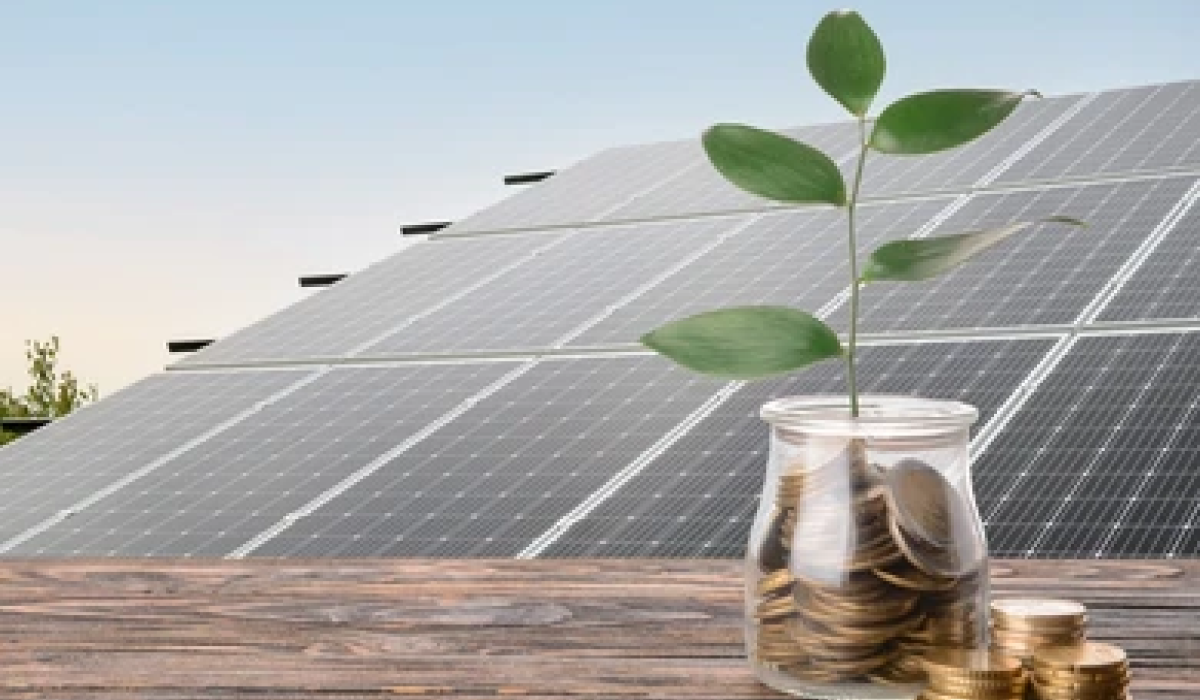
Solar energy savings refer to how much money you save from generating your own electricity rather than using electricity from the grid and paying for it. Solar panels can generate electricity for as low as ₹3 or ₹4 per unit, which is cheaper than the rate of the grid. Most states are ₹8-12 per unit. So, if you have a doubt, “Does solar energy save money?” – the answer is a resounding yes.
Several factors influence your potential solar energy cost savings:
– Consumption Patterns: Some of the greatest benefits are enjoyed by businesses that consume a lot of energy during the daytime.
– Location: The States like Rajasthan and Gujarat receive more sunlight when compared to Kerala or West Bengal.
– System Size: The larger the system (more than 500kW), the more power will be generated, and the dependence on the grid will decrease.
– Tariff Structure: Your electricity pricing affects overall savings calculations.
Your current electricity consumption patterns matter most for determining potential returns and commercial solar savings.
Related post: Bifacial Solar Panels: Guide for Smart Installation
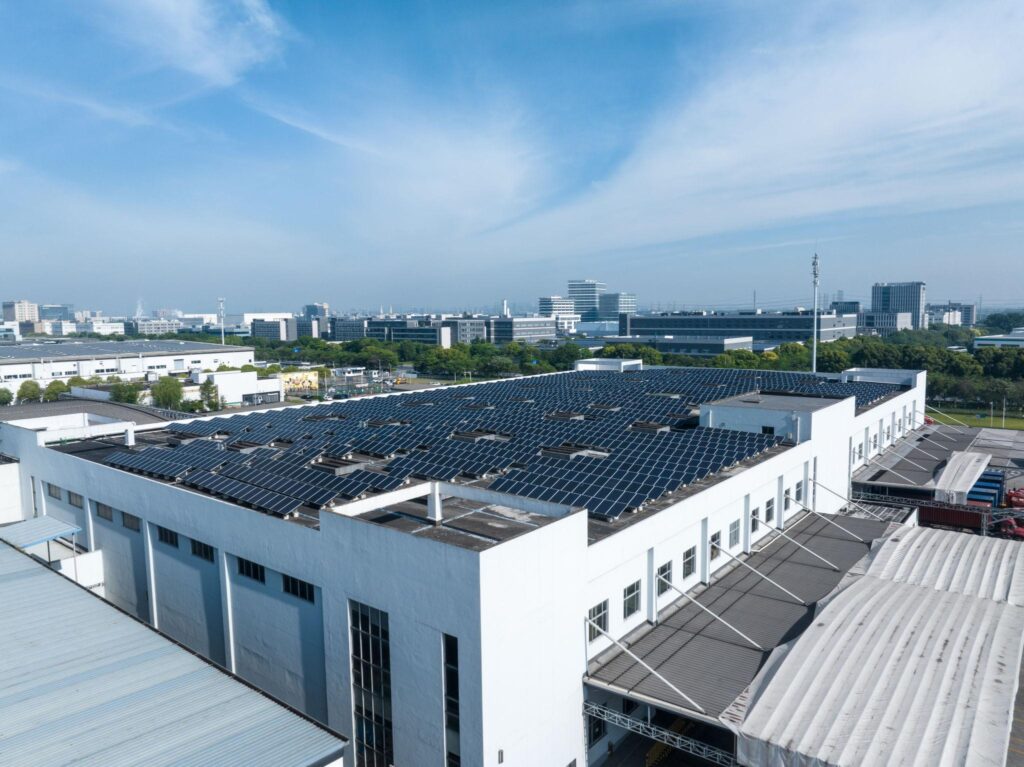
The first step to getting accurate solar energy savings is knowing how much energy you use. First, review your last 12 months of electricity bills. Check for patterns of monthly usage and peak usage periods.
Commercial businesses often use more electricity during the day. This aligns perfectly with solar production patterns. Manufacturing units often have consistent energy demands throughout operating hours, making commercial solar savings easier to assess.
Key considerations for energy assessment:
1. Peak Demand Charges: These apply when your business draws the maximum power from the grid. Solar systems combat peak demand due to the energy supply at peak times.
2. Seasonal Fluctuations: Demand for air conditioning grows with summer, its peak season. Heating requirements may rise in winter.
3. Solar Production Patterns: The output varies seasonally, with more generation occurring in summer months.
Read More: Cut Energy Costs with Renewable
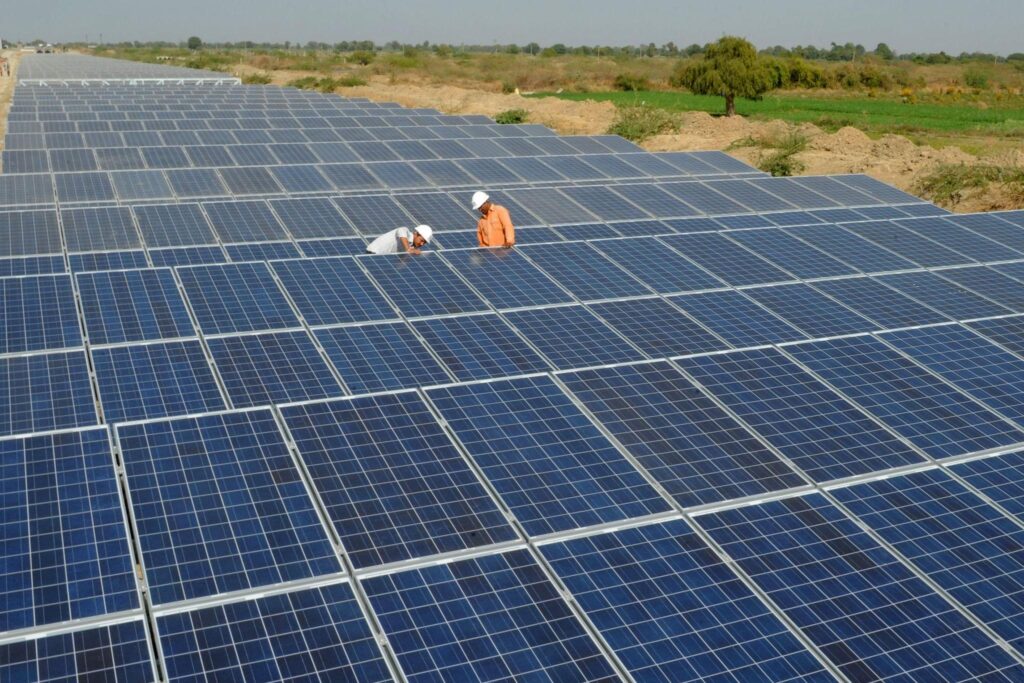
In India, to set up a solar power plant of 1 MW capacity, it costs between ₹4–5 crores. This includes the expenses for equipment, installation, and grid connection. Finding out more about these costs will shed light on the question: “Are solar panels worth the investment?” for your specific situation and help estimate potential commercial solar savings.
Cost breakdown for 1 MW systems:
– Solar Panels: 50-55% of total costs, roughly ₹2.5 crores
– Inverters: 10-15% of investment, ranging from ₹50-70 lakhs
– Mounting Structures: ₹45 lakhs for ground-mounted systems
– Balance of System (BoS) Components: ₹40-60 lakhs
– Labour and Installation: 10-15% of project costs, ₹50-70 lakhs
Installation costs can vary by location, with remote sites incurring higher costs. These factors are important when evaluating the overall solar investment cost and potential long-term returns.
Related post: How to Calculate Solar Power Return on Investment

When adopting solar energy, the three main models provide different financial and operational options you can choose from.
The CAPEX model involves direct purchase and ownership of the solar system. You invest ₹4-5 crores upfront for 1 MW capacity. This provides maximum solar energy savings and complete system control.
You can benefit from accelerated depreciation (40% in the first year) and retain full electricity cost savings throughout the 25-year system lifespan.
The OPEX model converts capital investment into monthly operational expenses. Instead of large upfront costs, you pay fixed monthly fees. This preserves working capital while providing immediate electricity savings. The model suits you if you prefer predictable monthly costs over large capital investments.
RESCO arrangements involve third-party ownership and operation of solar systems. The solar service provider handles installation, maintenance, and performance risks. You buy electricity at set tariffs – usually 10-20% lower than present grid tariffs.
This model requires no upfront investment while guaranteeing performance, making it ideal for companies that want the benefits of solar without the operational responsibility.
Multiple financing options make solar accessible:
– Solar Loans: Pay monthly fixed payments over time
– Power Purchase Agreements (PPAs): Allow installation with minimal upfront costs
– Leasing Arrangements: Provide immediate savings whilst sharing benefits with providers

Solar panel efficiency directly affects your solar energy savings. Modern panels achieve 19-23% efficiency ratings. Higher efficiency panels produce more electricity in a limited space. TOPCon panels offer 22-23% efficiency compared to 19-21% for traditional Mono PERC panels.
Key factors affecting solar production:
– Roof Orientation: South-facing installations capture maximum sunlight throughout the day. East-west orientations produce power during the morning and evening hours
– Shading: Buildings or trees reduce output substantially
– System Type: Ground-mounted solar systems offer flexibility in orientation and expansion, requiring 4-5 acres per MW. Rooftop solar systems utilise existing space but may have orientation limitations
Weather conditions affect daily production. Clear sunny days generate maximum output. Cloudy conditions and monsoon seasons see decreased generation in many regions. Understanding these factors helps businesses estimate solar power generation and potential savings more accurately.
Related post: Solar Energy Benefits – Save Money & Go Green
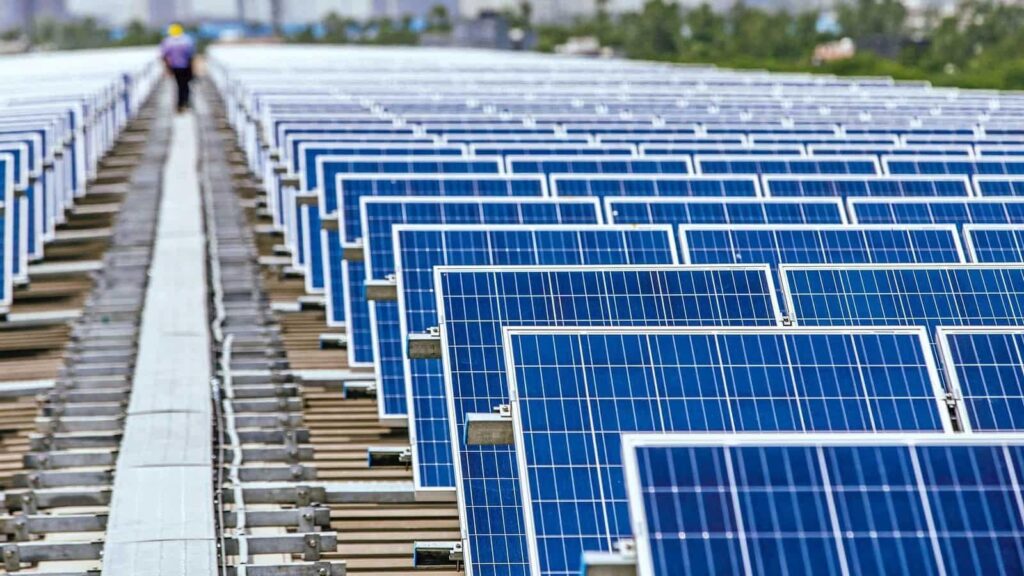
Net metering policies allow you to sell excess electricity back to the grid. This creates credits that offset future consumption. Time-of-use rates charge different prices throughout the day. Solar generation during peak rate periods maximises savings.
A 1 MW solar system generates about 1,460 MWh annually. At current grid rates of ₹8-12 per unit, this represents ₹1.17-1.75 crore in avoided electricity costs. After accounting for system costs of ₹4-5 crores, businesses achieve positive returns within 3-4 years.
You may ask, “How much can you save with solar panels?” – and the answer is substantial, with monthly savings reaching lakhs of rupees.
Monthly savings by system size:
→ 500kW systems: ₹3.7 – ₹9.7 lakhs monthly
→ 1 MW systems: ₹7.3 – ₹19.5 lakhs monthly
When thinking, “How much can solar panels save?” – these figures show the significant financial impact for commercial operations.
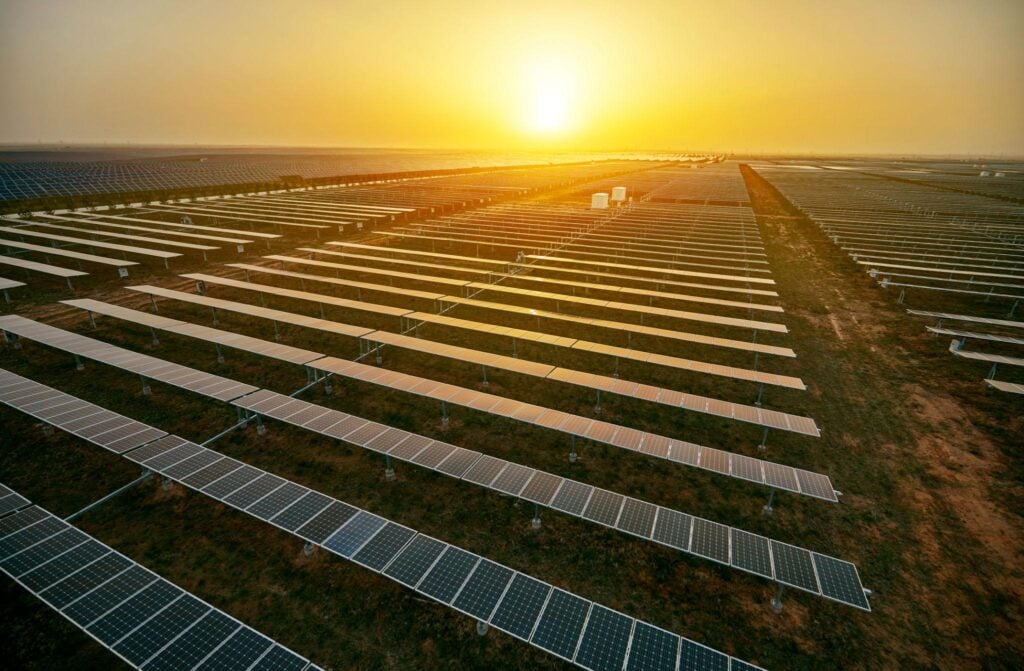
In the first year, you can claim 40% depreciation through accelerated depreciation. A further depreciation of 20% can be claimed in the second year, bringing the depreciation in the first two years to 60%. This provides immediate tax benefits for profitable companies.
Key financial incentives:
→ GST Benefits: 12% GST on solar equipment with input tax credit available, reducing the effective tax burden
→ MNRE Schemes: Provide additional support for specific sectors and applications
The PM-KUSUM scheme supports agricultural and rural applications. This provides up to 60% subsidy for solar irrigation pumps. Rooftop solar programmes offer subsidies for commercial installations in some states. When businesses ask, “Does solar power save money?”, the benefits clearly show substantial cost reductions.
Read More: How to Calculate Solar Power Return on Investment
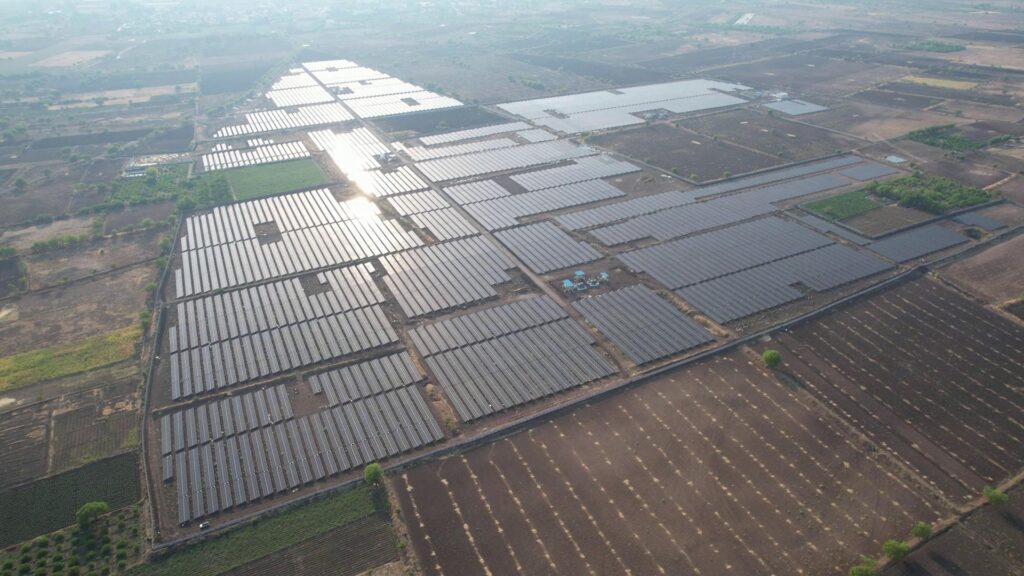
Solar energy savings usually provide payback periods of 3-4 years for commercial installations. This attractive timeline results from the significant difference between solar generation costs and grid electricity rates. These numbers help you analyse, “Are solar panels worth it?” from a purely financial perspective.
Financial breakdown for 1 MW systems:
→ Initial Investment: ₹4-5 crores
→ Annual Savings: ₹1.17-1.75 crore
→ Maintenance Costs: ₹5-8 lakhs annually
→ Net Annual Savings: Exceed ₹1 crore yearly
Long-term financial gains extend over 25-year system lifespans. Total lifetime savings can reach around ₹20-40 crores for 1 MW installations, considering the degradation and maintenance costs. This represents 4-6 times the initial investment.
Factors affecting ROI include:
Read Post: Cut Energy Costs with Renewable PPAs
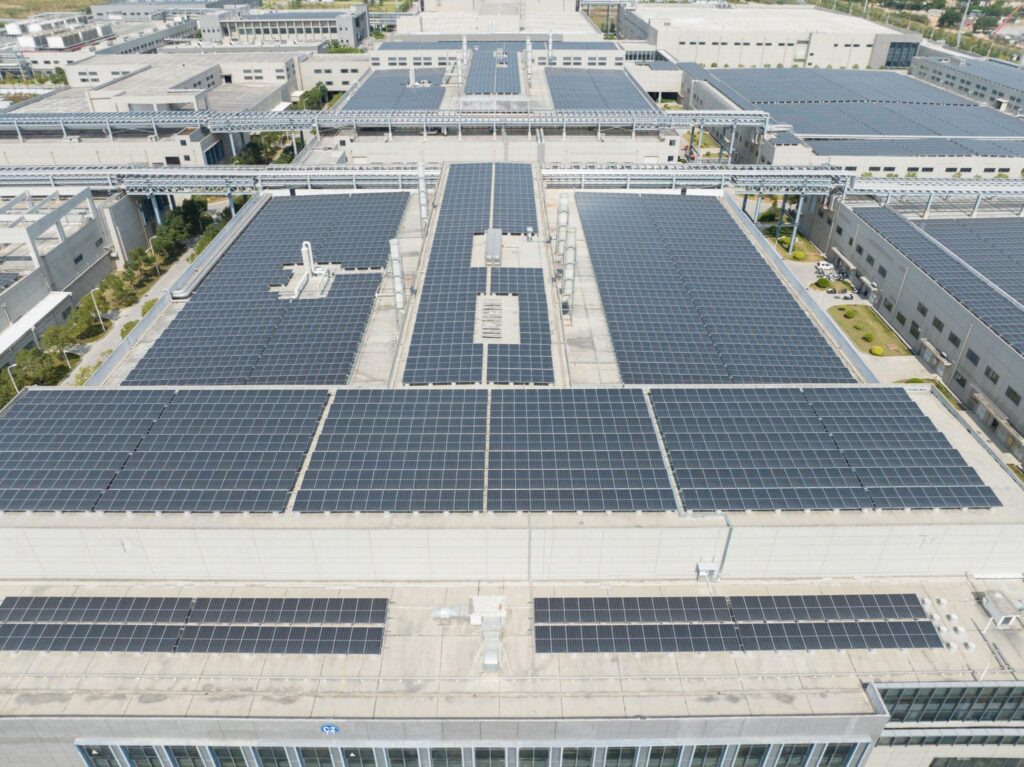
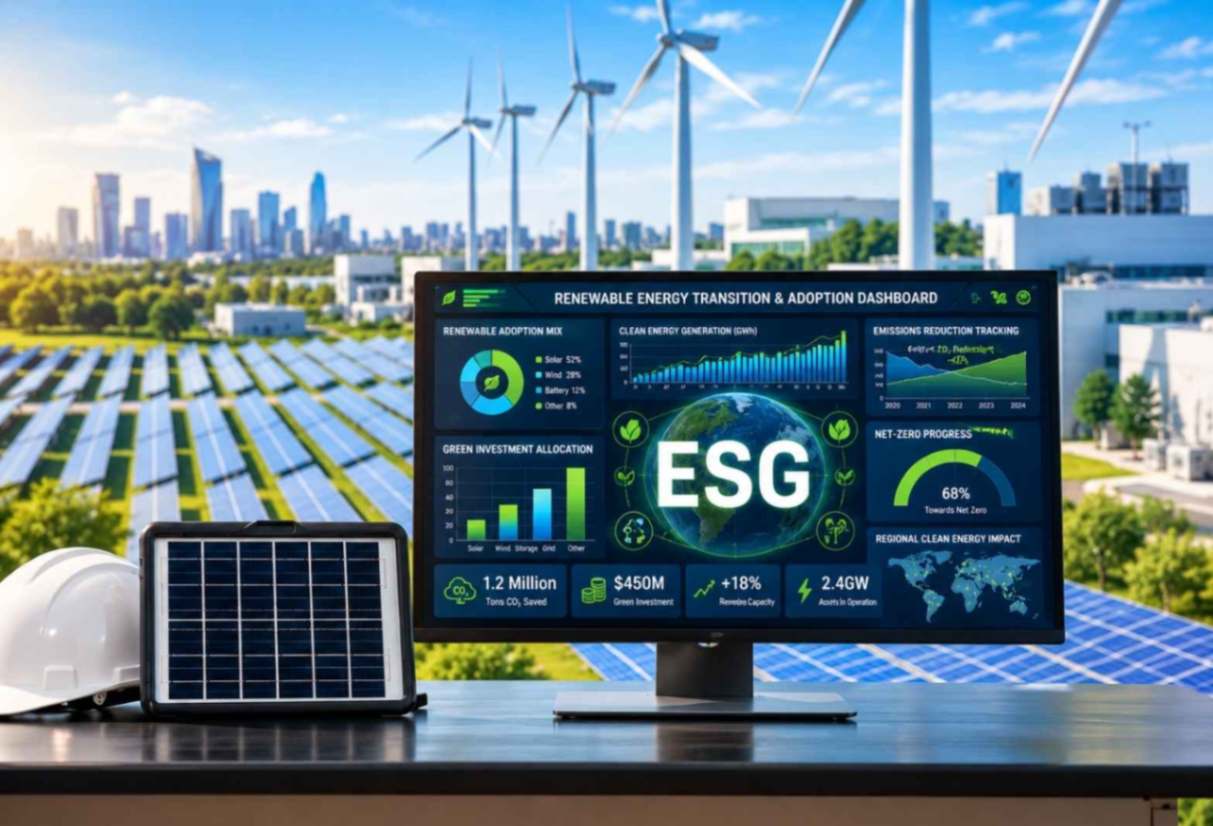
Environmental benefits enhance corporate sustainability profiles. A 1 MW solar system prevents 1,200–1,500 metric tons of CO2 emissions annually. This supports ESG goals and environmental compliance requirements.
Corporate advantages include:
Energy independence reduces exposure to grid rate fluctuations. Fixed solar generation costs provide predictable energy expenses. This improves financial planning and budget certainty.
Price stability protects against future electricity rate increases. Solar generation costs remain constant whilst grid rates continue rising. This protection becomes more valuable over time.
Solar energy is a good investment, having a payback of 3-4 years, with lifetime savings of about ₹20-40 crores for 1MW installations. Now, more businesses are likely to turn to solar because of government incentives because of government incentives, accelerated depreciation, and environmental benefits.
The savings from solar energy are not short-term. It offers energy independence and price stability that improves corporate reputation. When you are ready to go solar and understand the potential solar energy savings for your business, contact Enerparc online or at (+91) 804-941-4941 now. Explore how commercial solar savings can support your long-term energy strategy.
Yes. Most commercial solar projects achieve payback in 3–4 years and deliver lifetime savings of ₹20–40 crores per MW. With lower energy costs and government incentives, solar offers strong financial and operational value.
Solar energy costs only ₹3–4 per unit, compared to ₹8–12 per unit from the grid. This reduces power expenses by 40–80%, depending on consumption and system size.
Businesses can choose between:
– CAPEX: Own the system and earn maximum savings.
– OPEX: Pay monthly charges with no upfront cost.
– RESCO: Buy power at discounted tariffs from a third-party provider.
Eligible businesses can claim up to 60% subsidies (sector-dependent), 40% accelerated depreciation in the first year, and GST input credit on equipment—reducing overall project costs significantly.
A well-maintained solar system lasts around 25 years. Regular cleaning, performance monitoring, and annual inspections keep efficiency above 80% throughout its lifespan.